




Introduction — Sleeping near Central Station vs Jordaan: why this choice changes your Amsterdam trip
Picking where to stay in Amsterdam is more than marking a dot on a map: it shapes how you wake up, the rhythm of your days and even how your evenings play out. Two very different but hugely popular options stand out for visitors: staying near Amsterdam Centraal (Stationsplein 1, 1012 AB Amsterdam) or settling into the intimate charm of the Jordaan (around Noordermarkt, Westerstraat and Prinsengracht). Each comes with concrete advantages — accessibility, nightlife, local immersion — and trade-offs you should know before booking.
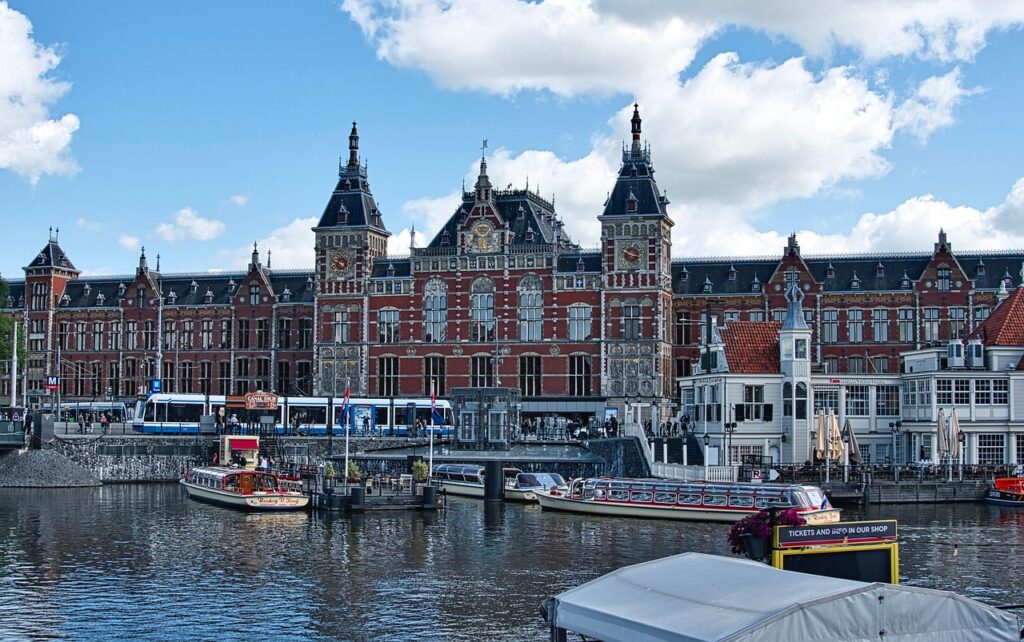
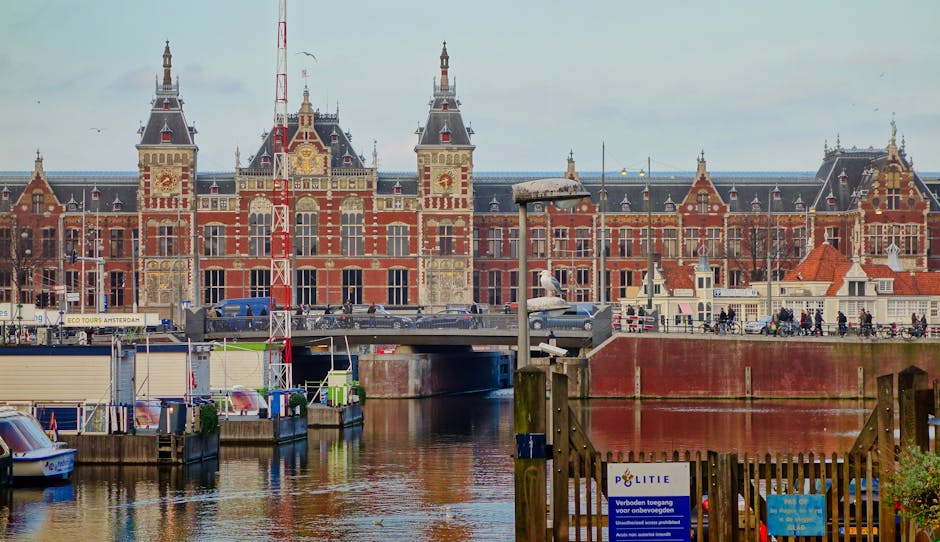
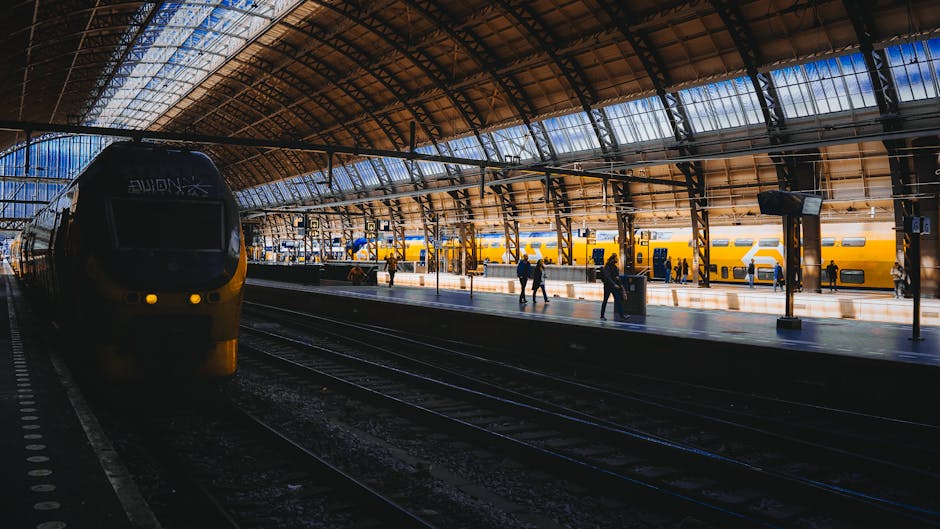
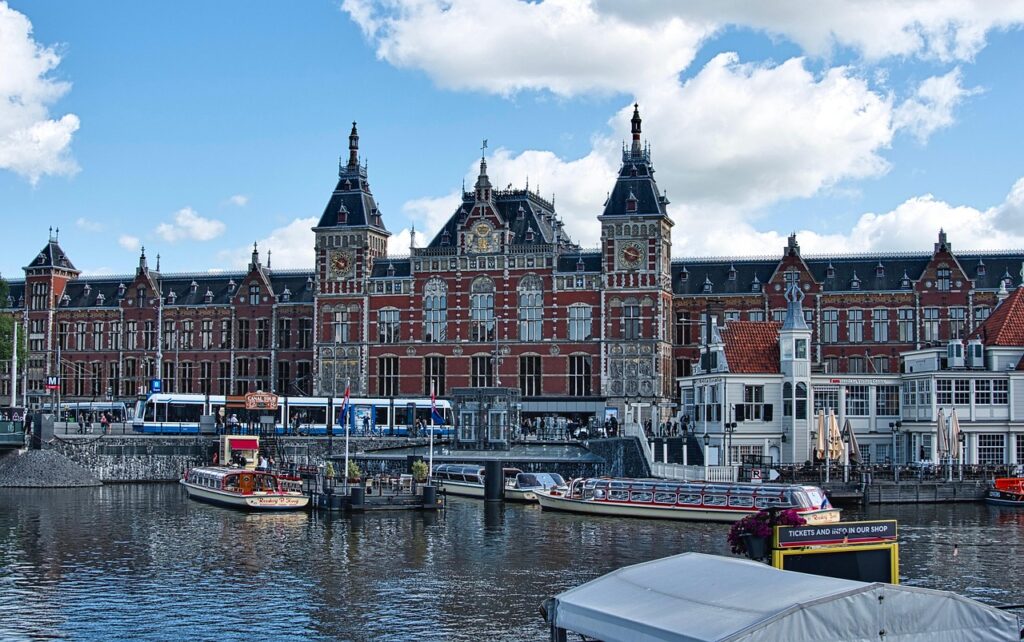
Around Amsterdam Centraal everything’s about efficiency: trains, trams, ferries and cruise boats channel the flow of tourists and commuters into the city center and beyond. The station itself at Stationsplein 1 is open 24/7; information desks and ticket counters usually operate limited hours (often 07:00–22:00). You’ll find bike rental counters and currency exchange desks on site. This area is perfect if you arrive late or need to leave early: continuous services, direct connections to Schiphol (intercity trains), and nearby canal cruise boarding points.
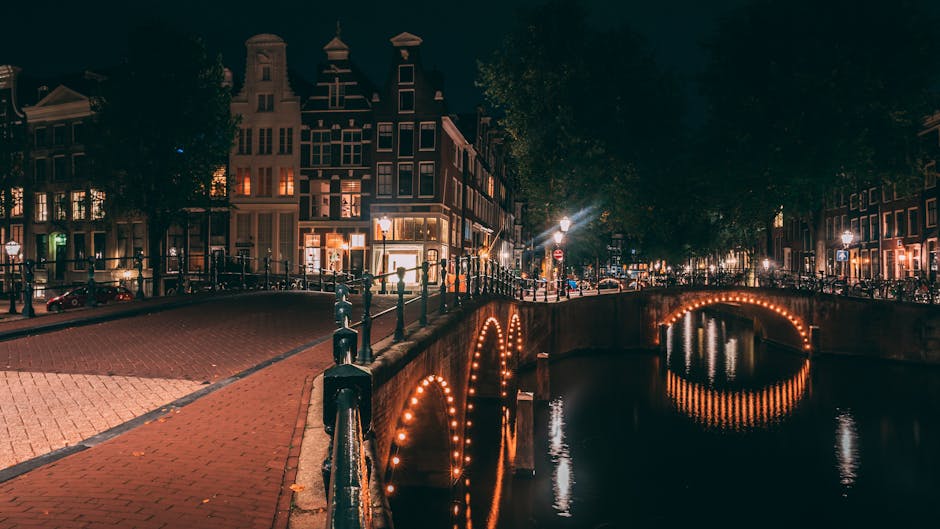
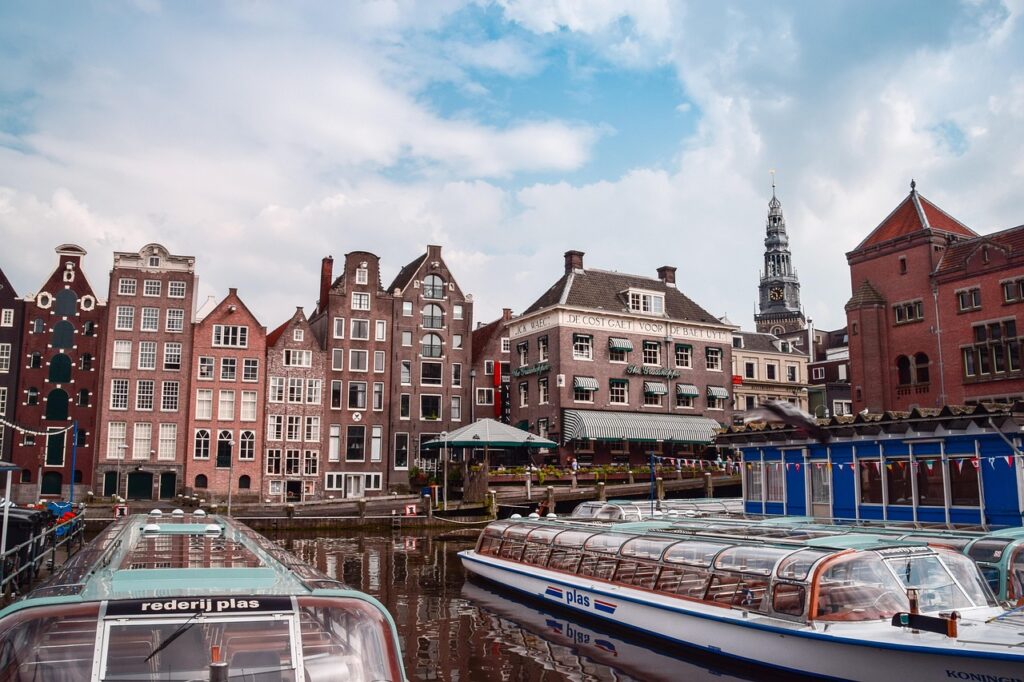
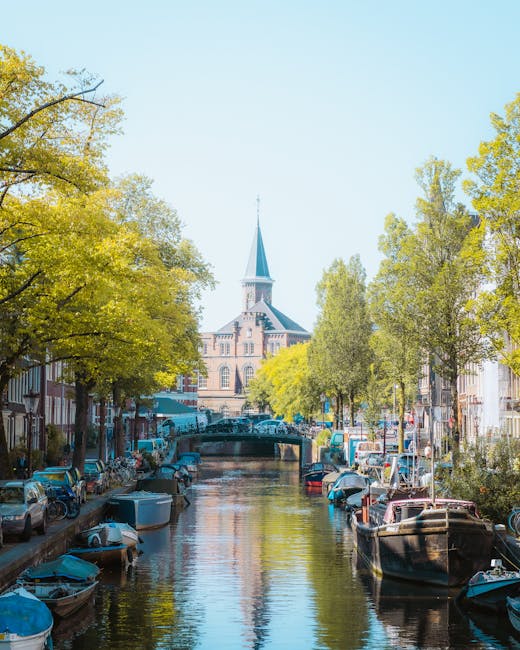
By contrast, the Jordaan offers a different aesthetic: cobbled lanes, narrow 17th‑century facades, small cafés, local markets and a neighborhood atmosphere that has resisted full-on tourist standardization. The heart of the Jordaan centers on Noordermarkt (Noordermarkt, 1015 NA Amsterdam) and Westerstraat. Here you’ll fall asleep to the distant rattle of a passing bike and a neighbor hanging laundry — it feels more authentically “Amsterdam” than purely practical. Nearby landmarks include the Anne Frank House (Anne Frank Huis, Westermarkt 20, 1016 GV Amsterdam), usually open roughly 09:00–22:00 depending on season, and Westerkerk (Prinsengracht 279-281, 1016 GV Amsterdam), typically open for visits around 10:00–17:00 on certain days.
In this guide I break things down point by point: accessibility, noise, average budget (hotels, hostels, Airbnb), neighborhood life (cafés, restaurants, markets), safety, plus local tips to get the most out of either choice. You’ll also find precise address recommendations with approximate prices in euros and opening hours so you can pick what fits your travel style — whether you’re rushing, traveling with family, into culture, or here to party.
Before we start: remember prices can swing a lot by season (peak: June–August and year‑end holidays), events (King’s Day, Amsterdam Dance Event) and housing availability. The rates quoted here are realistic benchmarks in euros, valid for bookings made a few weeks ahead. Also consider using public transport (GVB — 1‑hour ticket ≈ €3.50, 24h pass ≈ €8.50) or renting a bike — the best way to blend both worlds.
1) Accessibility & transport: speed, connections and links from Amsterdam Centraal
Staying near Amsterdam Centraal (Stationsplein 1, 1012 AB Amsterdam) means you’re based at a real transport hub. The main station serves international and intercity trains, metro, trams, buses and ferries. Trains to Schiphol airport run every 10–15 minutes and take about 15–20 minutes; a ticket Amsterdam Centraal → Schiphol costs around €5.60–€6.50 depending on the fare. International shuttles (Thalys, Intercity) also call at the station.
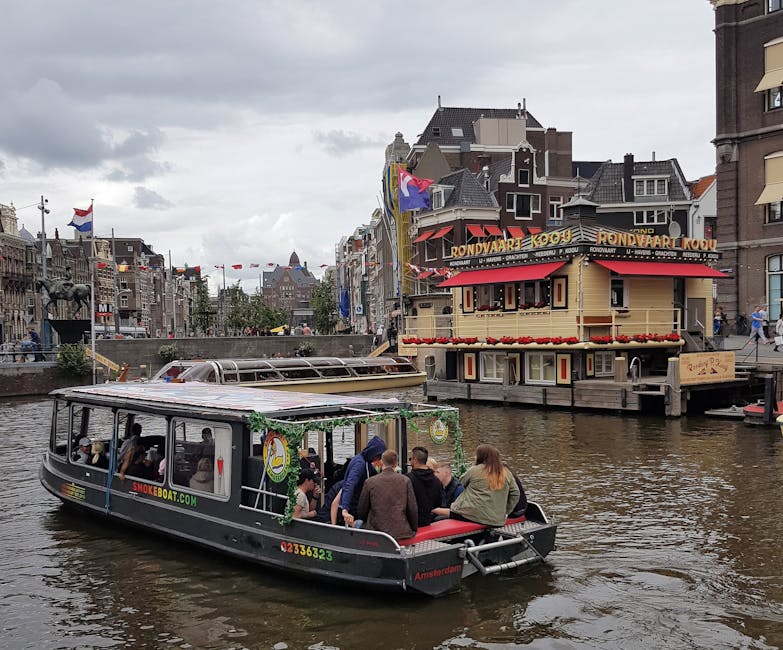
The most useful tram lines to reach other neighborhoods depart from the square in front of the station: trams 1, 2, 5, 13, 17… an urban trip of around ten minutes costs €3.50 (GVB 1‑hour ticket). Many water taxis and tourist cruises board close by (Prins Hendrikkade 25 is a common embarkation point); a standard canal cruise with operators like “Lovers Canal Cruises” or “Blue Boat Company” usually costs between €18–€25, with frequent departures from roughly 09:00 to 20:00 depending on season.
If you plan to base yourself at Centraal and explore outward, everything’s easy. If you need an early train, you’re already there. If you want day trips to other cities (Rotterdam, Utrecht, Haarlem), logistics are minimal. Hotels near the station include practical options like DoubleTree by Hilton Amsterdam Centraal Station (Oosterdoksstraat 4, 1011 DK Amsterdam) — average low‑season price ≈ €160–€220/night for a double room; 24h reception, check‑in from 15:00, check‑out at 12:00.
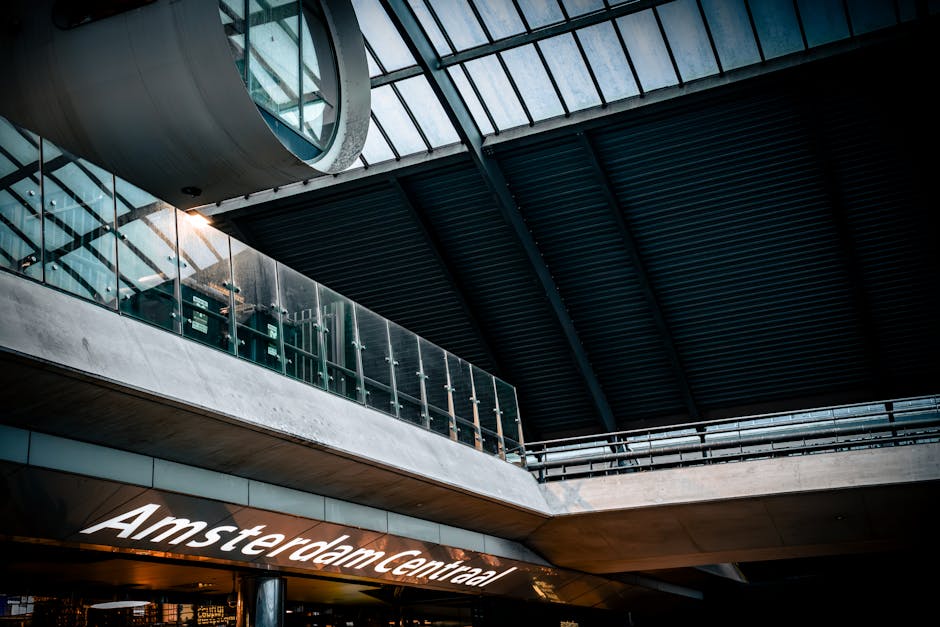
The Centraal area is busier and more transit‑oriented: bars that close late nearby, frequent taxis and a steady stream of travelers. The surrounding alleys are sometimes less picturesque than Jordaan — the cost of convenience. Local tip: if you pick Centraal but want some peace, look for hotels on the eastern side (Oosterdok) or cross the bridge to Amsterdam East (Amsterdam Oost) — you’ll get quieter streets without losing quick access.
2) Local vibe & nightlife quality: Jordaan, a haven of calm and authenticity
The Jordaan is often described as the heart of “old Amsterdam”: narrow canals, inner courtyards, small artisan shops and old‑school cafés. Waking up in a room that overlooks an inner courtyard or the Prinsengracht canal changes your perception of the city — less of a hub and more like home, even for a few nights. Key streets to know are Prinsengracht, Westerstraat, Noordermarkt (Noordermarkt, 1015 NA) and Brouwersgracht. Noordermarkt runs a market on Saturdays from 09:00 to 15:00 with local specialties, clothes and antiques.
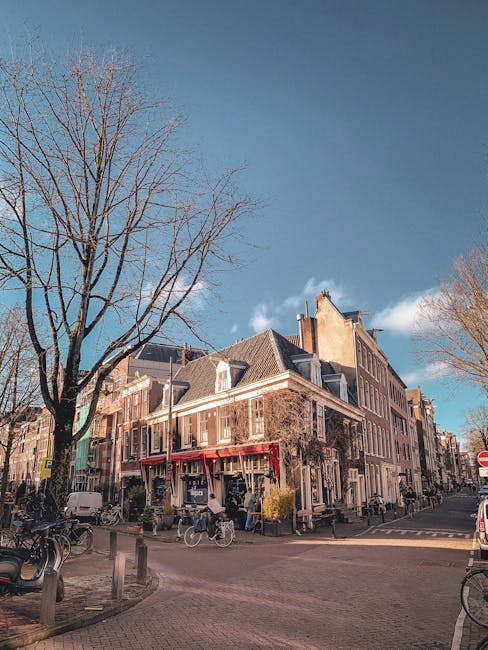
When it comes to evenings, Jordaan is mellow: intimate bars, cafés with acoustic nights and fine dining options. A few recommended spots:
- Café Winkel 43 — Noordermarkt 43, 1015 NA Amsterdam. Famous for its apple pie (« appeltaart »). Usually open 09:00–18:00, slice ≈ €4.50.
- Restaurant Daalder — Lindengracht 90, 1015 KK Amsterdam. Tasting menu ≈ €59–€75 per person, reservation recommended. Hours 18:00–22:00.
- Westerkerk (Prinsengracht 279-281, 1016 GV) — visit and climb the tower for panoramic views, entry ≈ €8–€10, opening times vary 10:00–17:00.

Jordaan will appeal to travelers into slow travel: cafés for reading, small art galleries and food markets. For families or couples, the local quality of life is a big plus: pedestrian‑friendly streets, a pleasant walk to museums along the canals and a safe evening atmosphere. Local tip: book early if you want a canal‑view room — they go fast, especially in summer.
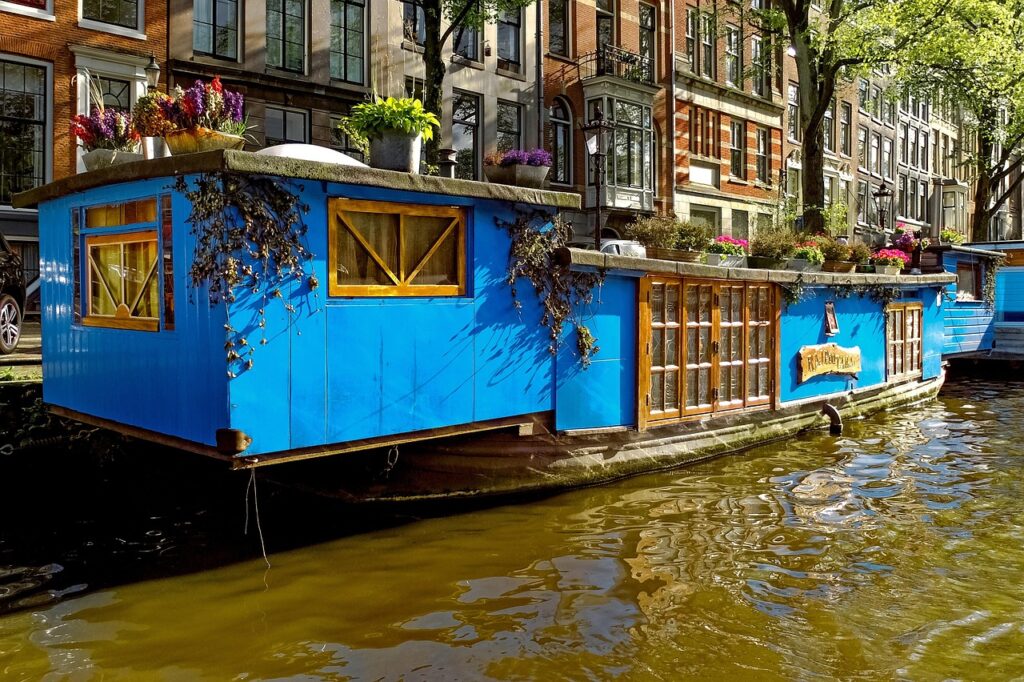
On the flip side, Jordaan is less handy for long‑distance links: Centraal station is a 15–25 minute walk or a short tram ride away. Taxis can be pricier from its narrow streets and night buses (GVB) run less frequently than from the Centraal area. But for many travelers that trade‑off is worth it: deeper sleep, gentler wake‑ups and real immersion in local life. To combine convenience and charm, consider boutique hotels like The Toren (Keizersgracht 164, 1015 CZ Amsterdam) — average rates ≈ €220–€320/night, check‑in at 15:00.
3) Budget, accommodation types and concrete examples: what it really costs
Budget often decides. Here’s a realistic breakdown of per‑night costs by accommodation type and area. Prices are indicative and vary with season:
- 3‑star hotels near Amsterdam Centraal: double room ≈ €90–€160/night. Example: Ibis Amsterdam Centre (next to the station) — double room ≈ €100–€150 depending on season; check‑in 14:00, check‑out 12:00.
- 4–5 star hotels near Centraal: DoubleTree by Hilton Amsterdam Centraal Station (Oosterdoksstraat 4, 1011 DK) ≈ €160–€260/night; 24h services, breakfast ≈ €18–€25 if not included.
- Boutique hotels in the Jordaan: The Toren (Keizersgracht 164, 1015 CZ) or Pulitzer Amsterdam (Prinsengracht 323, 1016 GZ): ≈ €220–€360/night.
- Hostels: dorm beds ≈ €25–€40/night; private rooms ≈ €60–€100. Example: ClinkNOORD (Badhuiskade 3, 1031 KV Amsterdam) — well served by ferries from Centraal, dorm ≈ €30/night.
- Airbnb: studio in Jordaan ≈ €90–€180/night; apartment near Centraal ≈ €80–€160/night.
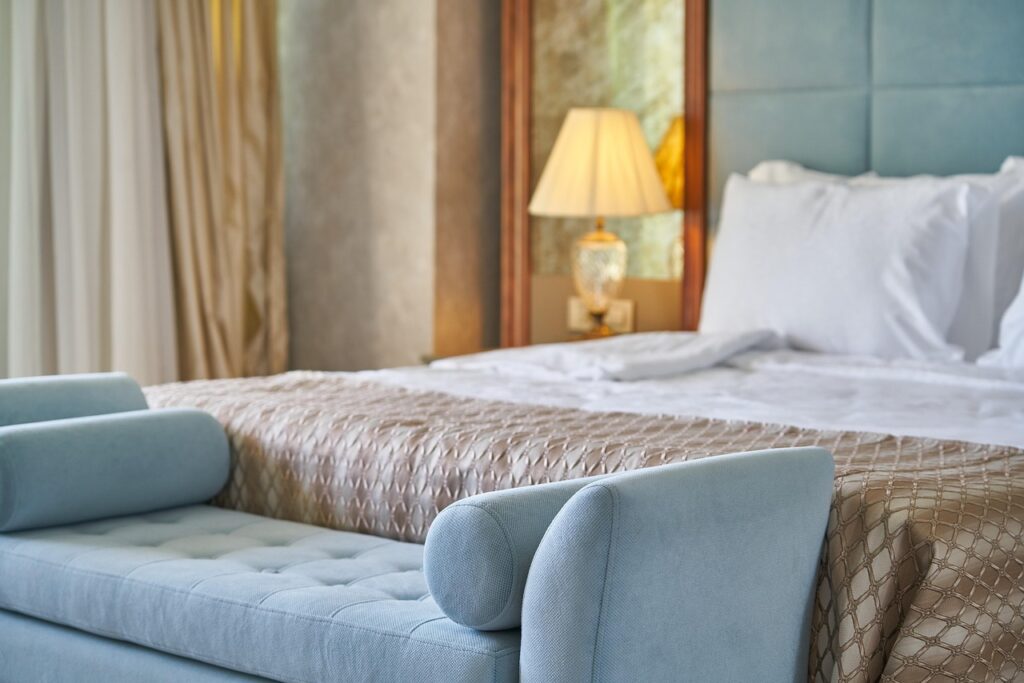
Other expected costs: breakfast in town ≈ €6–€15 depending on venue (bakery/café vs hotel), restaurant meal ≈ €12–€30 per person for mid‑range dining, and public transport (GVB 1‑hour ticket ≈ €3.50, 24h pass ≈ €8.50). Major museums (Rijksmuseum, Van Gogh Museum) generally charge between €18–€22 entry; the Anne Frank House ≈ €12–€14 (reduced fares and variable times, online booking often required).
Money‑saving tips:
- Book early (especially June–August and holidays) to lock in the best rates.
- Compare hotels near Centraal with Airbnbs on the streets bordering Jordaan — in low season the price gap can be small.
- Choose a room with a kitchenette if you’ll stay several days — shopping at local markets (Albert Cuypmarkt or Noordermarkt for Jordaan) cuts food costs.

4) Safety, noise and practical tips: what you really need to know to sleep well
Safety in Amsterdam is generally good, but the feel differs by neighborhood. Near Amsterdam Centraal the vibe can be livelier at night: taxis, groups of tourists, bars open late and the proximity of the Red Light District (De Wallen, 1012) increases foot traffic. That said, police presence is visible and the station is busy — which reduces the risk of isolated incidents. Local tip: don’t leave valuables visible in a car or on an unlocked bike; pickpocketing is the most common problem.
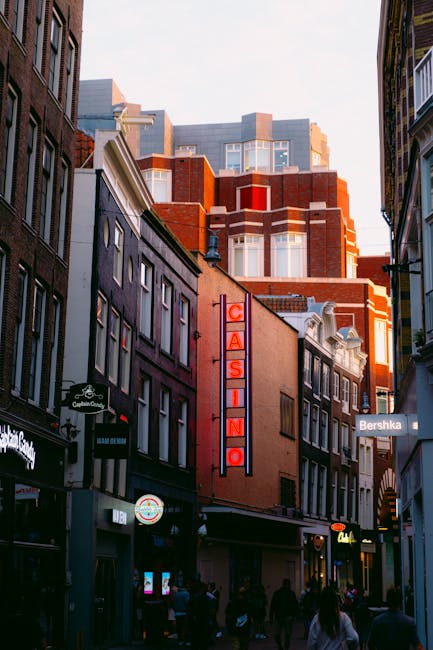
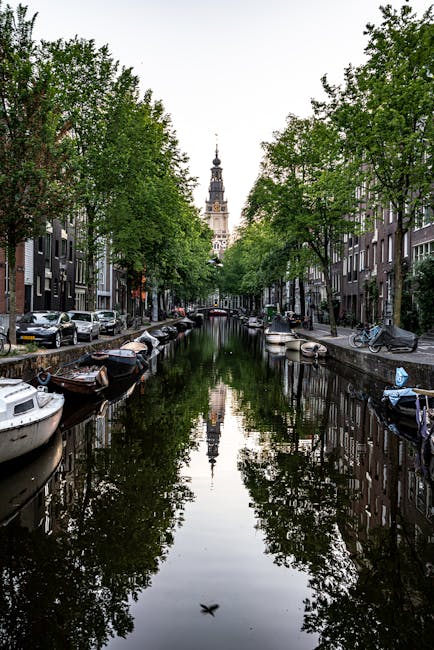
The Jordaan is known for being quieter and more residential. Locals are attentive and nightlife is more subdued. The main noises are neighborhood bars and church bells at certain hours. For restful sleep, favor a room that faces an inner courtyard rather than the street. Tip: check sound insulation and whether the window overlooks the canal when booking — some historic buildings have single‑pane windows that let sound through.
Extra practical tips:
- Always confirm check‑in/check‑out times (standard check‑in 14:00–15:00; check‑out 11:00–12:00). Some hotels offer luggage storage for early arrivals or late departures.
- If you travel with lots of bags, prefer a hotel with an elevator — many historic Jordaan buildings don’t have one.
- Remember the free ferry across the IJ from Centraal to Amsterdam Noord (ferries depart behind the station, some routes operate 24/7). Great for alternative evenings and views of the north bank.
In short: for a stay focused on mobility and connections, Centraal is unbeatable. For a trip centered on calm, wandering and real contact with local life, Jordaan is hard to beat. The right compromise depends on your priorities: logistics, budget, holiday style and noise tolerance.
Conclusion — How to choose between Centraal and Jordaan based on your travel profile
Choosing between staying near Amsterdam Centraal and staying in the Jordaan comes down to two travel philosophies. If you’re short on time, arriving or departing early, in transit to other cities or the airport, or if you want flawless logistics (trains, trams, ferries, cruises), lodging near Amsterdam Centraal (Stationsplein 1, 1012 AB Amsterdam) is a pragmatic, efficient option. Accommodation ranges from budget basics (Ibis) to international chains (DoubleTree by Hilton Amsterdam Centraal Station, Oosterdoksstraat 4, 1011 DK) and can suit budgets roughly between ≈ €90 and €260 per night depending on level of comfort.

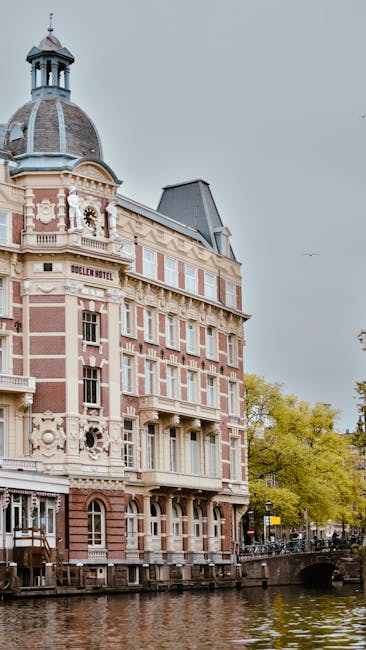
If you want a more authentic immersion, beautiful morning walks along the canals, neighborhood markets (Noordermarkt, Saturday 09:00–15:00), and peaceful evenings, the Jordaan (Noordermarkt, Westerstraat, Prinsengracht) will give you a strong local quality of life. Prices are generally higher for canal‑view rooms (The Toren, Keizersgracht 164, 1015 CZ or Pulitzer Amsterdam, Prinsengracht 323, 1016 GZ), but the experience is often unmatched: breakfasts on terraces, artisan shops and a Dutch dream that starts with the first bakery opening.
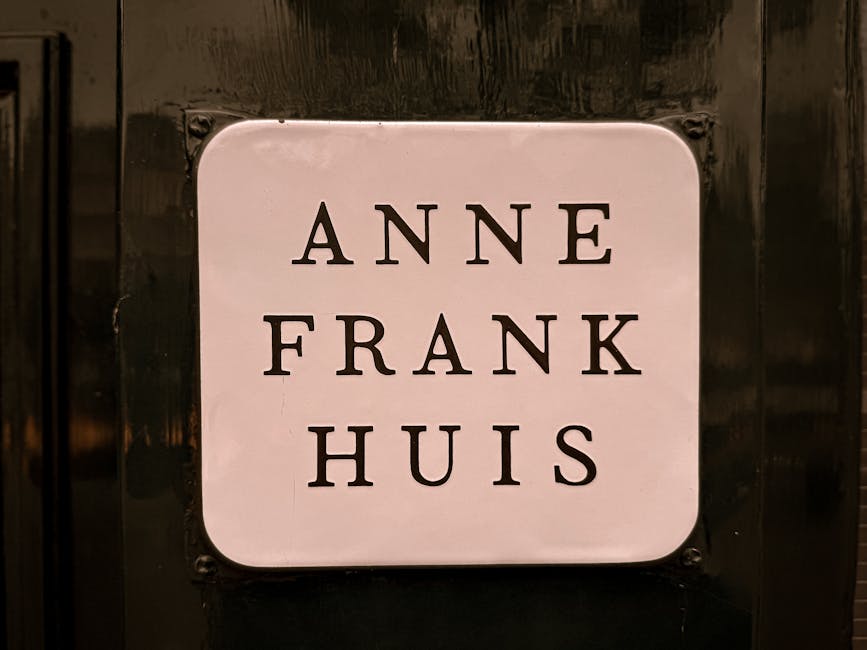
My practical tip: if your trip is longer than three nights and you want both mobility and atmosphere, consider a split stay — for example, 1–2 nights near Amsterdam Centraal for arrival/departure logistics, then 2–3 nights in the Jordaan for relaxation. Book must‑see activities (Anne Frank House, museums) in advance: Anne Frank Huis (Westermarkt 20, 1016 GV) uses time‑slot booking and online tickets often sell out; usual opening window is 09:00–22:00 depending on season and requires advance reservation (price around €12–€14).
Finally, match your lodging to your habits: need a good bed and late check‑in — pick Centraal; craving local cafés, markets and romantic vibes — pick Jordaan. Either way, Amsterdam is compact and very well connected: good shoes, a GVB card or a bike and you’ll move effortlessly from one world to the other. Safe travels and enjoy the unique atmosphere each neighborhood offers.