





Introduction — Working-class neighborhoods and artisan workshops away from Amsterdam’s tourist center
Amsterdam is often defined by its UNESCO-listed canals, the Red Light District and the big-name museums in the Centrum. But the city’s true hands-on, working-class spirit reveals itself when you stray from the usual tourist routes and explore the local neighborhoods and former industrial sites turned into studios. These areas—found to the north, east, west and southeast of the capital—retain an industrial, social and creative history that draws curious locals as much as travelers looking for something authentic.
This guide dives into Amsterdam’s working-class neighborhoods and artisan workshops, away from the main tourist flow. Inside you’ll find precise addresses, opening hours, price ranges for hands-on workshops, immersive descriptions of places and local tips for getting around, eating and shopping. The goal is twofold: to give you a thorough introduction to these districts and to enable a self-guided visit that prioritizes slow, respectful discovery of production spaces, neighborhood bistros and designers’ markets.
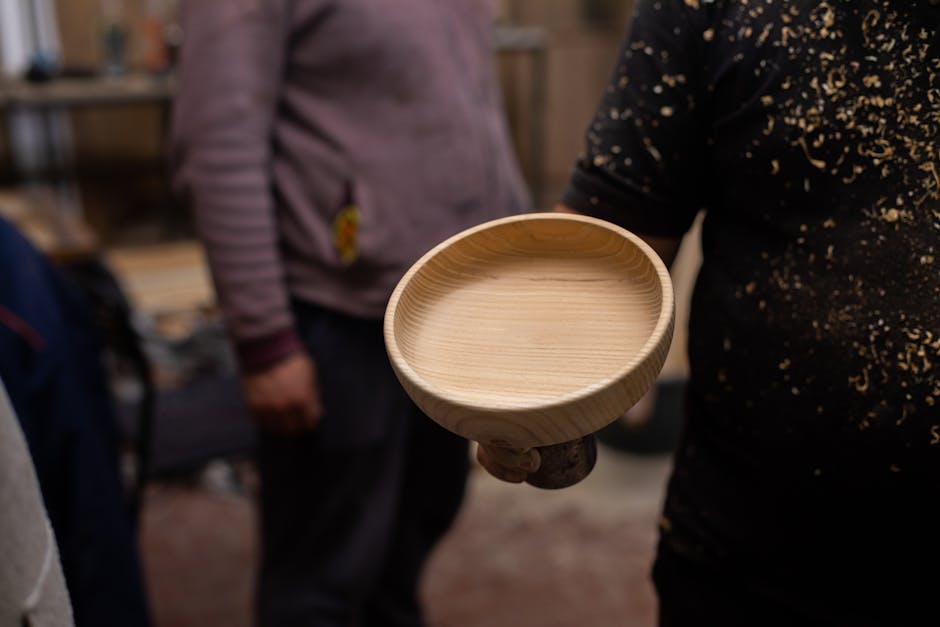
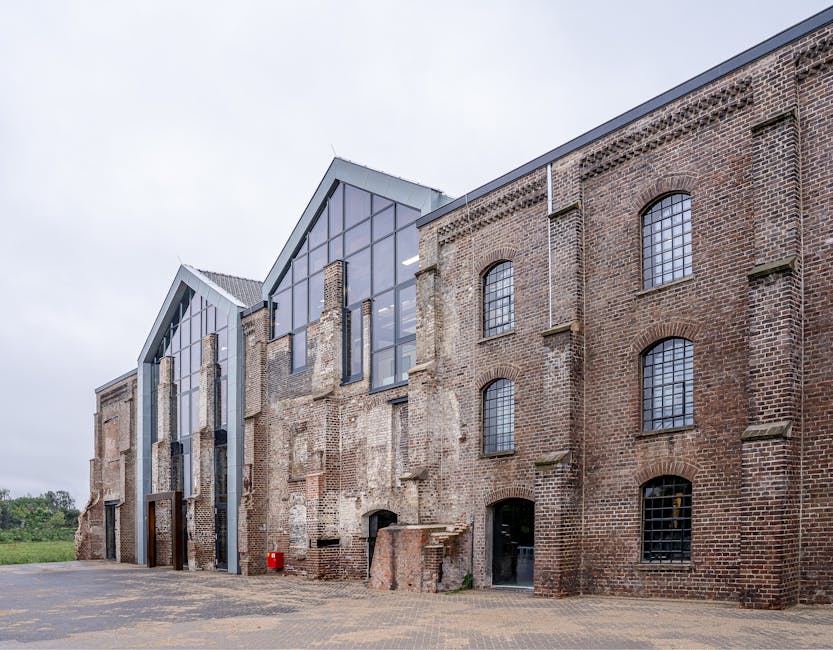
We’ll cover distinct places: NDSM-werf and the north bank of the IJ, the sustainable microcosm of De Ceuvel, the studio halls of De Hallen and OT301 in the west, the popular markets and workshops of Amsterdam-Oost like Dappermarkt and the Indische Buurt, and the creative metropolis of the Bijlmer in Amsterdam-Zuidoost. Each area mixes textile workshops, ceramicists, woodworkers, metalworkers, artisan print shops and collective studios that today produce furniture, objects and art projects. You’ll meet makers producing in small series, artist collectives sharing machines and know-how, and cafés that double as exhibition spaces.
The practical info included (addresses, opening hours and prices) is meant to make getting around and choosing easier: booking a pottery intro, joining a screen-printing session, or simply browsing a specialist flea market. Prices are estimated public rates or typical fees charged by these venues (expressed in euros), reflecting a range of offers from a free stroll to a paid workshop. You’ll also find local advice on transport, what to wear in certain workshops (closed shoes, clothes that can get dirty), and how to approach artisans respectfully while they work.
Before we go into the neighborhoods, a few general tips: favor public transport (free ferry to NDSM from Amsterdam Centraal, trams and buses for the East and West), always check opening times and whether you need to book (many workshops limit spots), and bring a small bag for fragile purchases. Amsterdammers appreciate polite curiosity: say hello in Dutch if you can (« goedemorgen », « bedankt »), ask before photographing a closed workshop and respect work processes. With these simple rules, exploring Amsterdam’s working-class neighborhoods and artisan workshops will be rich, educational and memorable.
NDSM-werf and the north bank: industrial wastelands, flea markets and collective studios
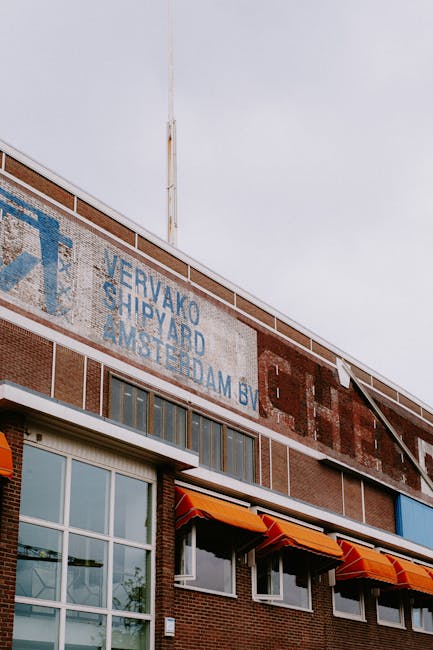
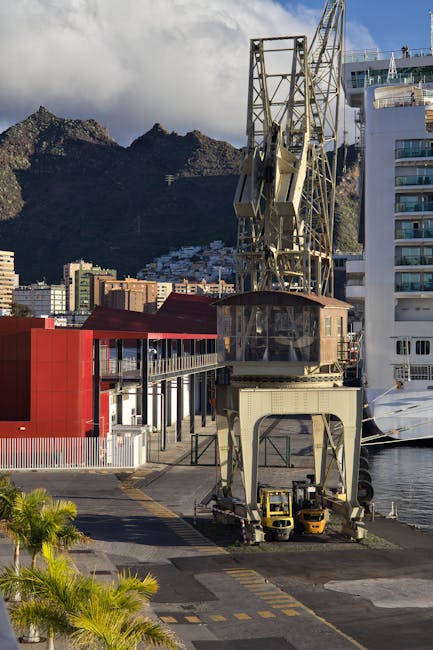
NDSM-werf, on the north bank of the IJ, is the classic example of a working site reinvented as a creative hub. Once a shipyard, NDSM has been converted into a sprawling campus of studios, galleries, cafés and cultural wastelands. Main address: NDSM-plein 1, 1033 WC Amsterdam. The ferry from Amsterdam Centraal (every 10–15 minutes) is free and already sets the scene: coils of steel, dry docks, graffiti and containers turned into exhibition spaces.
Highlights not to miss:
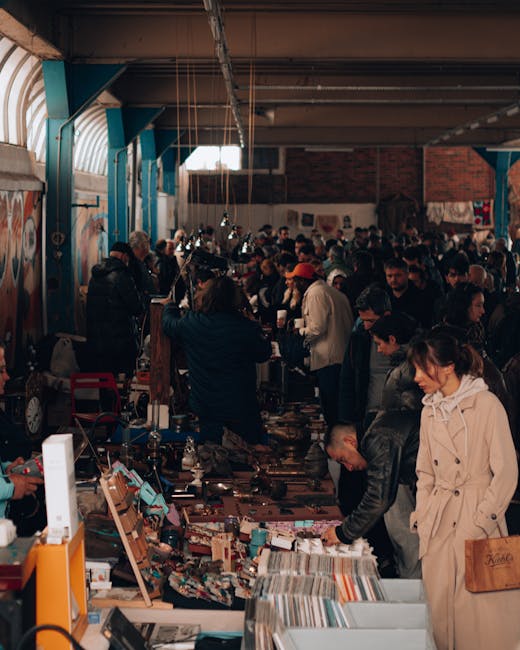
- IJ-Hallen — Massive flea market. Address: NDSM-Plein 6, 1033 WB Amsterdam. Opening times: usually the first weekend of the month, 09:00–15:00 (check dates on ijhallen.nl). Entry fee: €5–6 depending on the event. Description: hundreds of stalls selling vintage clothing, industrial furniture, antique lamps and reclaimed objects. Perfect for hunting unique finds at reasonable prices.
- Noorderlicht Café — Cultural café and waterfront exhibition space. Address: NDSM-Plein 102, 1033 WB Amsterdam. Hours: 11:00–23:00 in season; closed some Mondays. Prices: drinks €3–6, simple dishes €8–15. Friendly vibe with frequent concerts and shows by local artists.
- Sculpture and welding studios — Several private workshops share the old hangars. Example by appointment: Metal Studio NDSM, Houtdokweg 2, 1033 RG Amsterdam. Hours: by reservation. Intro welding workshop price: €45–70 for 2–3 hours. Description: soot-dark walls, heavy tools and works in progress; a truly industrial experience.
Sensory feel: the smell of oil and metal, uneven floors, big steel doors opening onto views of the IJ. Monumental installations and large sculptures sit alongside luthiers and contemporary armorers. For visitors, bring comfortable closed shoes and a windproof jacket—the north bank can be chilly even in summer.
Practical tips:
- The ferry from Amsterdam Centraal is free and runs every 10–15 minutes. Use the port-side exit to land right among the hangars.
- Arrive early on weekends to avoid crowds at IJ-Hallen and to get into workshops before they close.
- Carry cash: some market sellers prefer bills over cards, especially for small purchases.
De Ceuvel and Amsterdam-Noord: ecology, reclaimed wood and sustainable workshops
A short bike ride from NDSM, yet completely different in mood, De Ceuvel is a rehabilitated site where houseboats and sustainable workshops coexist. Address: Korte Papaverweg 4, 1032 KD Amsterdam. Opening times: the site is generally open during daytime (roughly 09:00–18:00), but cafés and workshops have their own hours; the café-restaurant often opens 10:00–17:00. Entry: free to explore the grounds; activities and workshops are paid depending on the organizers (e.g. a wood-building workshop €30–60).
Immersive description: a formerly polluted plot transformed into an experimental neighborhood, De Ceuvel brings together container workspaces, vegetable gardens, phytoremediation systems and wood workshops. Makers here use reclaimed timber to craft bespoke furniture and run upcycling workshops. The site is a showcase for circular economy practices: most of the furniture on display and for sale is made from salvaged materials.
Recommended workshops and spots:
- De Ceuvel Café & Workspace — Korte Papaverweg 4, 1032 KD Amsterdam. Café hours: 10:00–17:00. Food prices: €8–16; drinks €2.5–5.
- Wood Lab at De Ceuvel — Collective workshop, by appointment. Woodworking intro price: €40–75 for 2–4 hours. Description: making objects from reclaimed wood, training on saws and sanders, and small custom furniture projects.
- Green Studio De Ceuvel — Sustainable designer studios (reservation recommended). Prices: €15–50 depending on the workshop.
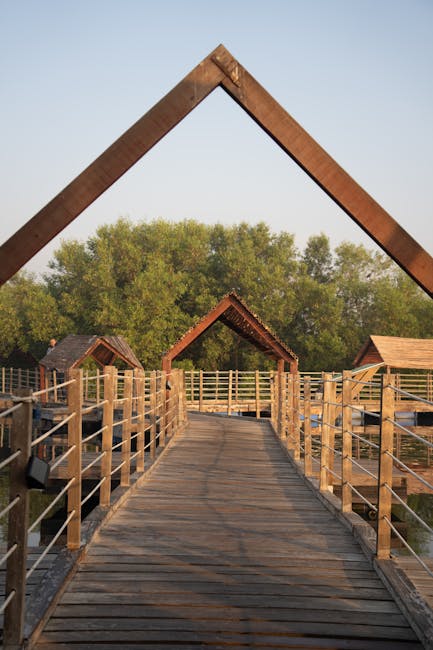
Vibe and visitors: families, designers and committed artisans frequent the place. Boardwalk paths meander over the shoreline with water views and handmade benches. Use the local app or website to check scheduled workshops; practical sessions are often limited to 8–12 people to preserve teaching quality.
Local tips:
- Arrive by bike or take the NDSM ferry then a short ride: De Ceuvel is 10–15 minutes by bike from NDSM.
- If you join a woodworking workshop, wear sturdy clothes and closed shoes; many workshops provide protective gear but not always coveralls.
- Respect the site’s green rules: sort your waste and avoid single-use plastics.
Amsterdam-Oost and the outer De Pijp: popular markets, textiles and screen printing
Amsterdam-Oost (the East) and parts of the outer De Pijp host a cluster of small textile workshops, screen-printing studios, artisan print shops and independent designers. These are neighborhoods where prices stay affordable and studios sit alongside authentic local markets. Key spots:
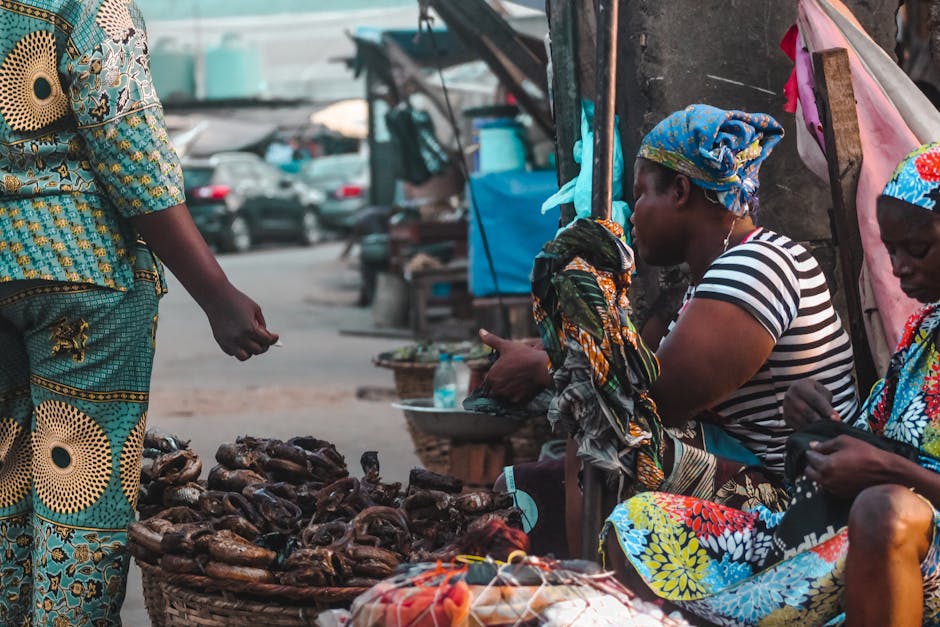
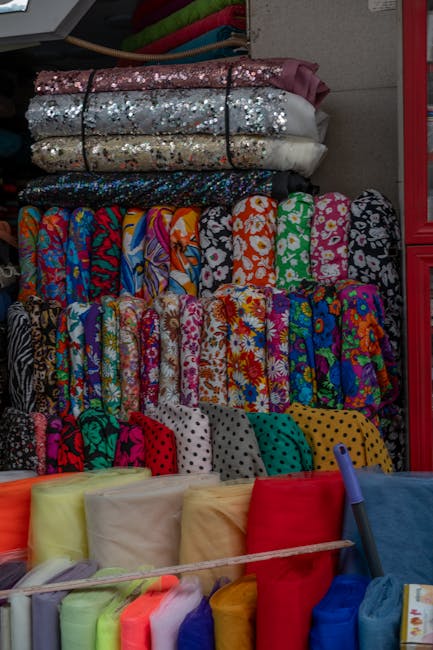
- Dappermarkt — Address: Dapperplein, 1093 BS Amsterdam. Hours: Monday–Saturday, 09:00–17:00. Description: a multiethnic popular market, great for textiles, accessories and fabrics at low prices. Prices: clothing €5–30 depending on the item. Tip: come early for the best finds.
- Indische Buurt workshops — Main streets: Javastraat and Linnaeusstraat. Several small sewing and textile studios run intro classes (fees €25–55 per session). Some studios welcome visitors by appointment.
- FabLab / Maker Spaces — Example: MakerSpace Oost, Linnaeuskade 123 (hours vary). Day-pass membership: €10–20, specialized courses €30–80. Description: access to lasers, 3D printers and cutting machines for rapid prototyping.
Atmosphere: busy sidewalks, Turkish and Surinamese cafés, modest studio storefronts, a mix of spice aromas and fresh screen-print ink. Screen-printing studios often run group sessions (print your tote bag for €20–35). Local seamstresses also take small alterations or custom orders—handy after a day of exploring.
Practical tips:
- When hunting down a textile studio, resist the urge to barge in: many operate by appointment. Contact them on Instagram or by phone the day before.
- Bring cash for Dappermarkt—some stalls refuse cards for small transactions.
- If you want bespoke pieces (clothes, bags), allow 1–2 weeks turnaround and expect prices from about €50 (simple alterations) to €200 for a well-made custom garment.
West side: De Hallen, OT301 and independent workshops
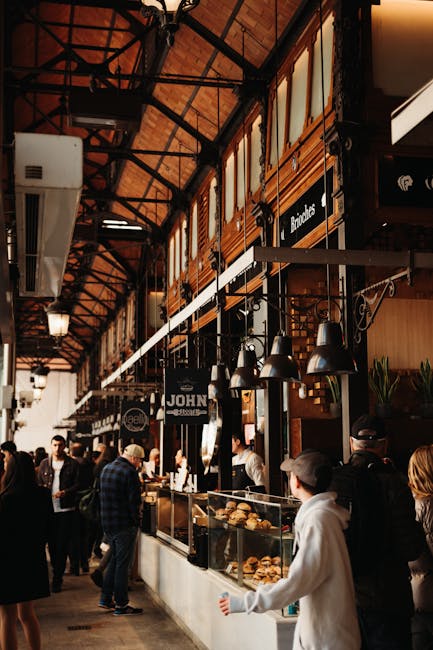
To Amsterdam’s west, De Hallen (Hannie Dankbaarpassage 47, 1053 RT Amsterdam) is a cultural center housed in a former tram depot. Less touristy than the central museums, De Hallen brings together an indoor food market, studios, a film library and creative workspaces. Hours: the food hall is generally open 09:00–22:00; exhibitions and workshops have variable schedules. Prices: most workshops €20–60; food stalls €4–12 per dish.
Nearby, OT301 (Overtoom 301, 1054 HW Amsterdam) is a self-run cultural center hosting artists, music studios and residencies. OT301 regularly stages exhibitions, concerts and workshops. Hours: variable depending on the program, often evenings for concerts; workshops and visits by appointment. Prices: entry varies (many events €5–15), workshops €25–60.
Oud-West more broadly contains small artisan shops: cabinetmakers, ceramicists and designers working to order. The vibe is that of a transformed working-class neighborhood: brick façades, modest signs and steel shutters rolled up to reveal lit workshops where detailed craftwork is underway.
Practical examples:
- De Hallen Studio’s — Several studios open occasionally to the public. Address: Hannie Dankbaarpassage 47. Book through studio websites; price: €30–80 for a half-day workshop (ceramics, photography, bookbinding).
- OT301 — Overtoom 301. Creative workshops: risograph and screen-printing, sound studios. Prices: risograph prints €2–5 per sheet, studio rental by quote.
- Local woodshops — Example: Wood Workshop Oud-West, Kinkerstraat 135 (workshop by appointment). Intro sessions €35–70.
Local pointers:
- Pair a visit to De Hallen with a food stop at the Foodhallen for a full neighborhood experience.
- OT301 often operates non-commercially: follow photo rules and ask permission before entering private spaces.
- Arrive by tram (lines 1, 3, 12 depending on your spot) or by bike to move quickly between studios.
Bijlmer / Amsterdam-Zuidoost: multicultural artisans and larger-scale workshops
Amsterdam-Zuidoost, known as the Bijlmer, is often dismissed as a post-war residential area, yet it hosts a lively multicultural artisan scene—from textile workshops to music studios and furniture makers. The neighborhood is large; focusing on areas like Bijlmerplein and around Gaasperplas is a good way to get a sense of the variety. Key address: Bijlmerplein 100, 1101 BS Amsterdam (central zone). Hours: workshops and studios mostly open during the day, and many take appointments Tuesday–Saturday.
Description: the dense population of people from former Dutch colonies and African countries has produced a network of specialized artisans—tailors, ethnic jewelers, instrument makers who build their own percussion, sewing workshops centered on African fabrics and urban fashion. You’ll also find municipal makerspaces and low-cost repair workshops for appliances.
Sample addresses and indicative prices:
- Bijlmer Makerspace — Community municipal workshop (booking recommended). Address: Gijsbrecht van Aemstelstraat 10, 1102 BJ Amsterdam. Hours: Tuesday–Saturday 10:00–18:00. Day access price: €8–15; specialized courses €30–70.
- Bijlmer local market — Vendor stalls near Bijlmerplein. Hours: weekends, 09:00–16:00. Food and textiles: €2–25.
- Studio workshops Bijlmer — Workshops making traditional instruments and jewelry. Workshop fees: €20–60 depending on duration and materials.
Vibe: bright colors, fabric stalls, street music, the smell of spices and coffee, and the sounds of active workshops. The Bijlmer’s artistic life is also supported by nearby cultural venues like AFAS Live (for concerts), but the focus here is on the craftsmanship, local studios and small family-run businesses where things are made and sold on site.
Practical tips:
- The metro (lines 50 and 54) serves Bijlmerplein in just a few minutes from Zuid station—it’s the quickest and safest way there.
- If you’re looking for fabrics or bespoke tailoring, negotiate politely and ask for a written quote for larger orders.
- Respect the social dimension of these workshops: many are small family businesses—use card payment if possible and take the time to chat and learn their stories.
Cross-cutting visit tips and practical info
To make the most of exploring these working-class neighborhoods and workshops:
- Transport: use an OV-chipkaart (public transport card) or buy single tickets. The NDSM ferry from Amsterdam Centraal is free. Metro lines 50/54 serve Zuidoost; trams 1/3/12 and buses serve the West and East.
- Bookings: many workshops require advance reservation, especially pottery, laser-cutting or welding sessions.
- Language: English is widely spoken, but a Dutch greeting (« goedemorgen », « dankjewel ») is appreciated.
- Safety: most neighborhoods are safe during the day. At night, stick to main streets and avoid unlit industrial areas.
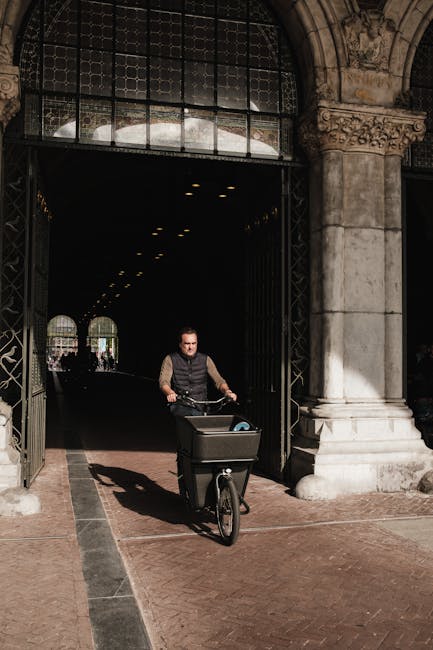
- Buying big items: arrange transport (rent a cargo bike, organize a delivery) if you buy furniture or heavy pieces.
Conclusion — Why go off the beaten path to meet Amsterdam’s artisans
Exploring Amsterdam’s working-class neighborhoods and artisan workshops away from the tourist center is a way to see the hidden side of a city often reduced to postcards. These areas showcase applied creativity, social resilience and urban reinvention: old shipyards turned cultural incubators, industrial wastelands become ecological labs, textile workshops tucked into everyday streets, and community spaces in the Bijlmer that weave social life with local production.
Beyond photos and souvenirs, these places offer hands-on experiences: make an object with a ceramicist, print a design on a tote in a screen-printing session, learn the basics of woodworking with reclaimed timber, or hunt for an industrial lamp at the IJ-Hallen market. These activities create lasting memories, directly support local makers and allow you to buy unique pieces with a story. Prices range from free visits and low-cost markets to specialized workshops charged €30–80, but the value—both in quality and experience—often beats what you’ll find in tourist shops.
A few golden rules for a successful visit: respect opening hours and booking requirements, dress appropriately for workshops (closed shoes, clothes that can get dirty), ask permission before photographing a closed studio, and take time to listen to the stories behind each object. Locals and artisans are generally open to conversation—a sincere interest will often open doors and lead to unexpected encounters.
Finally, seeing Amsterdam off the usual routes not only deepens your knowledge of the city but also supports a local ecosystem: buying directly from a workshop, taking a class, or frequenting a neighborhood café contributes to the economic and cultural vitality of these areas. Whether you’re after inspiration, practical skills or simply a different stroll, follow your curiosity and respect—and get ready to discover an Amsterdam many visitors never see.