




Introduction — Amsterdam anti-guide: how to see the city without falling for tourist traps
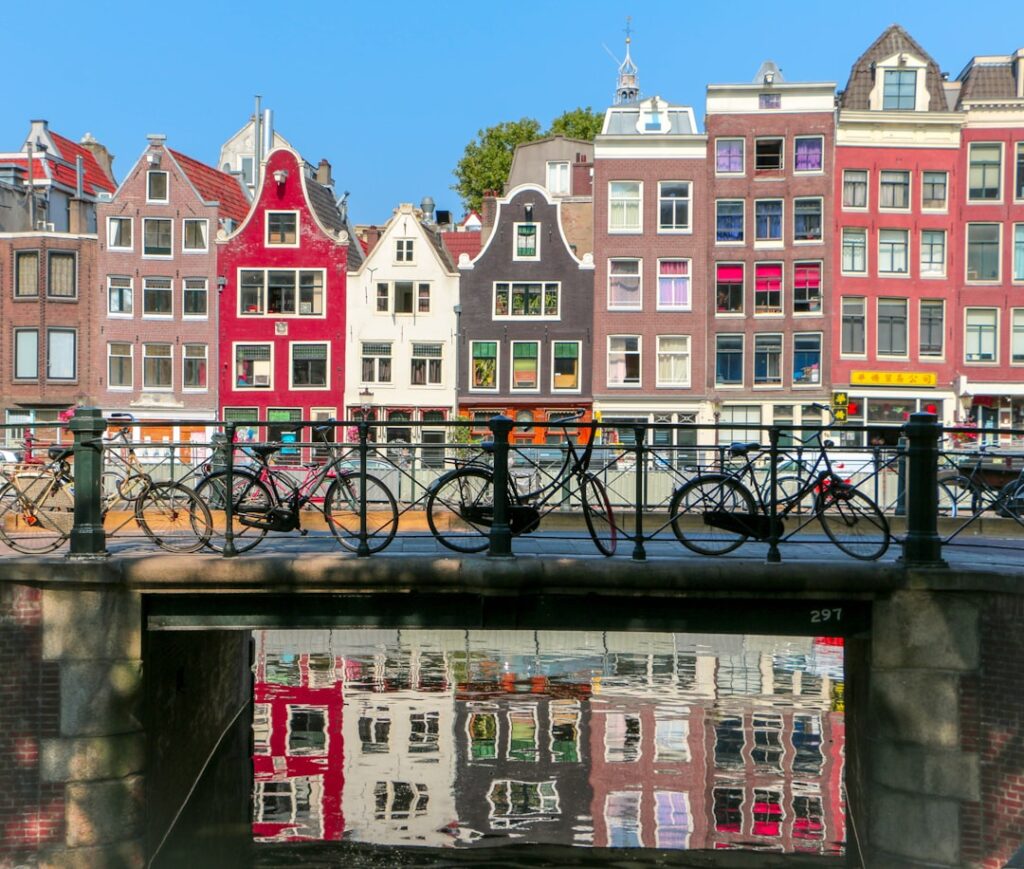
Amsterdam is one of Europe’s most photographed and visited cities. Yet beyond the picture-perfect postcards of canals and the well-trodden itineraries lie neighborhoods, cafés and cultural spots that deliver a genuinely Dutch experience — away from queues and tourist traps. This anti-guide isn’t a list of “forbidden” places, but a practical, detailed plan for exploring Amsterdam differently: where to go, when to go, what it costs, and most importantly how to avoid the traps that can ruin a visit (oversized souvenir shops, mass excursions, group restaurants, and fake “local” cafés).
I offer a route made up of practical tips and precise addresses — full addresses, common opening hours and price ranges — so you can organize your time. The idea is simple: prioritize human-scale places, neighborhood cultural initiatives, walks that reveal unexpected views, and cafés where people drink, chat and mix with locals rather than watching tourists. You’ll also find urban know-how: how to get around without being a nuisance, when to visit a museum to avoid the crowds, and what behaviors will show respect for residents (Amsterdam is as much a residential city as it is a tourist one).
This guide invites you off the beaten track to discover local Amsterdams: morning neighborhood markets where fish is negotiated, tiny themed micro-museums that shed light on social history, former docks turned creative quarters, and hidden gardens that offer surprising calm in the heart of the city. Each recommended spot includes practical info (full name, full address, typical opening hours, indicative prices in euros), an immersive description and local tips to turn a cursory visit into a real experience.
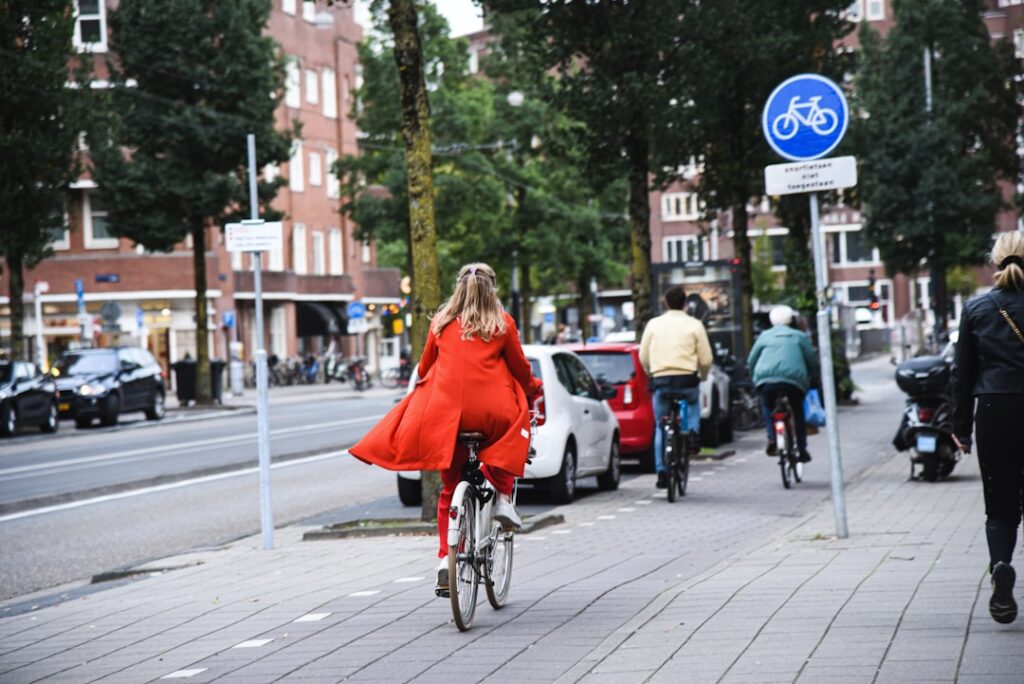
Before you start, a few anti-trap principles: favor independent shops over international chains; skip the hop-on hop-off buses in favor of a walk led by a local association; take the free GVB ferries to the north to discover a less touristy creative scene; grab a bite at a neighborhood market rather than dining in a central square; and above all, respect bike rules and segregated lanes — it’s the unwritten code that keeps you safe and helps you blend into the urban flow.
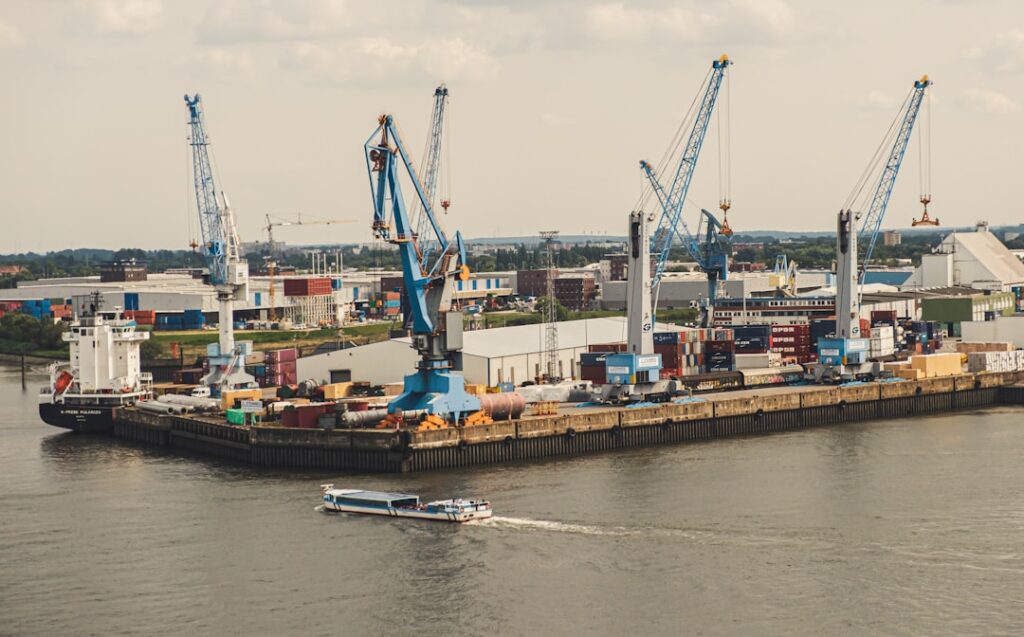
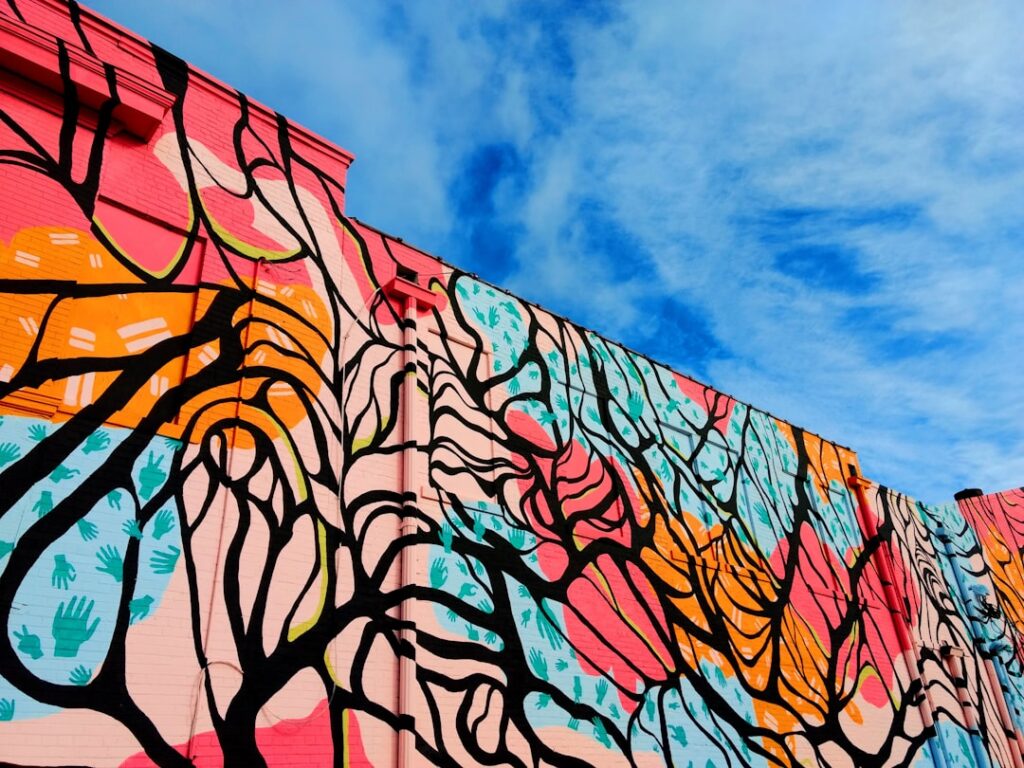
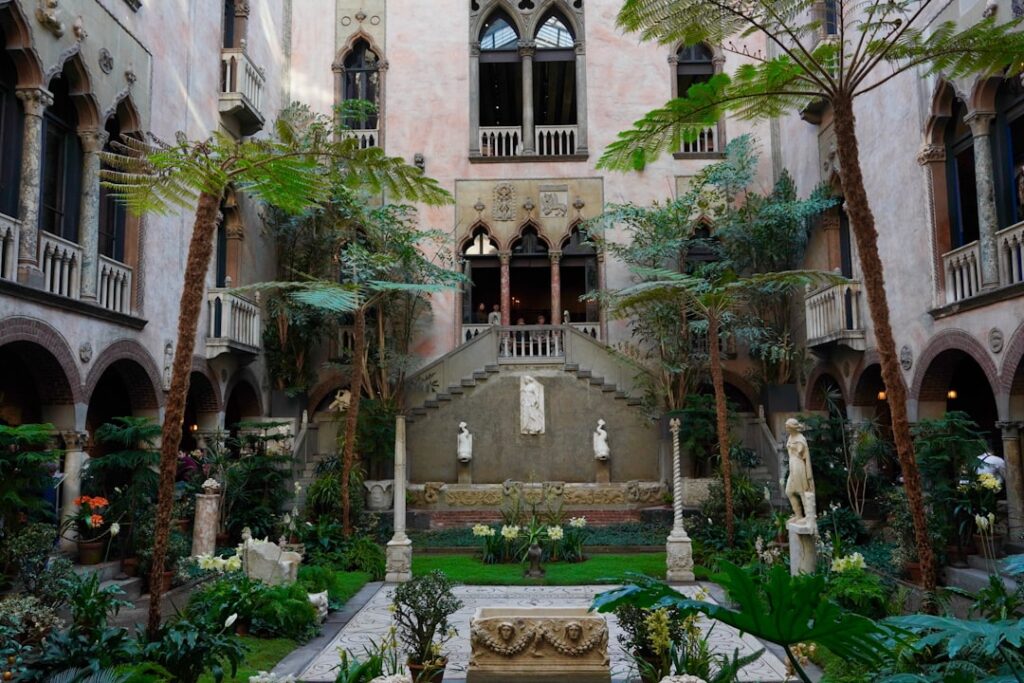
Throughout this article you’ll find suggestions for each time of day — morning, afternoon, evening — plus tips to save time and money. The suggested images (the 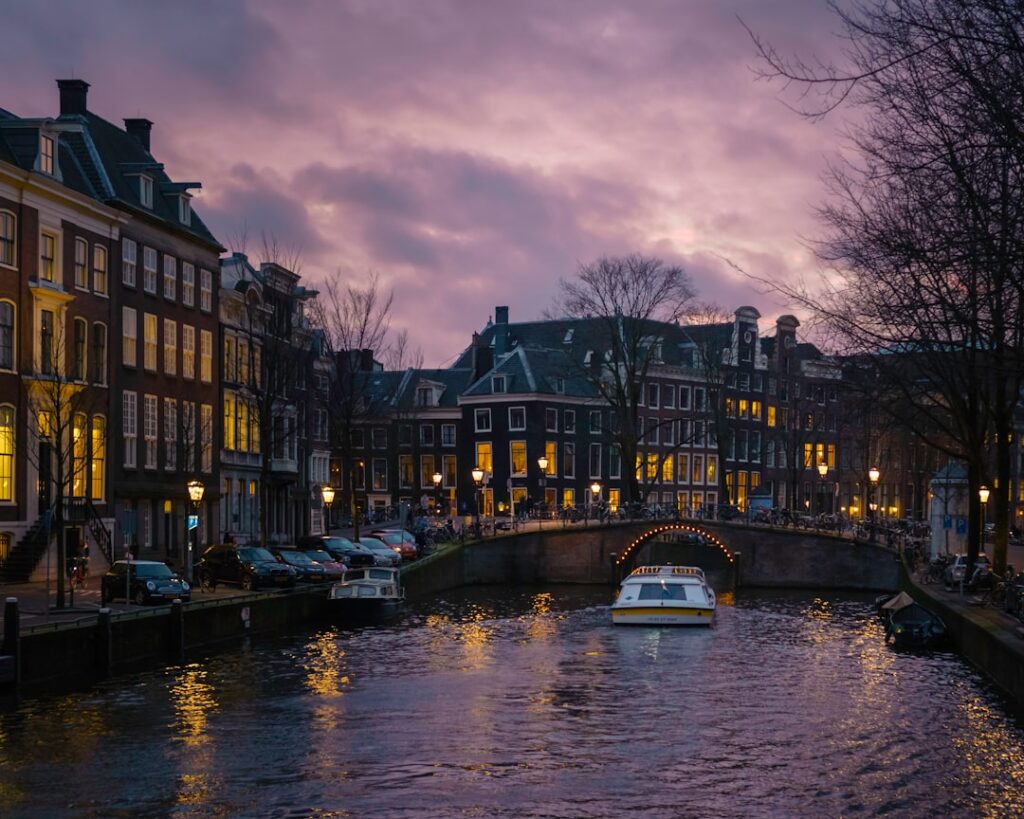 markers sprinkled through the text) will help you picture the atmospheres: industrial quays, inner courtyards, colorful markets, Art Nouveau facades, micro-museums and shady cafés. Ready to explore a more authentic Amsterdam? Let’s start our anti-tourist itinerary.
1) Neighborhoods and walks: north and east away from the crowds (NDSM, IJplein, Oosterpark)
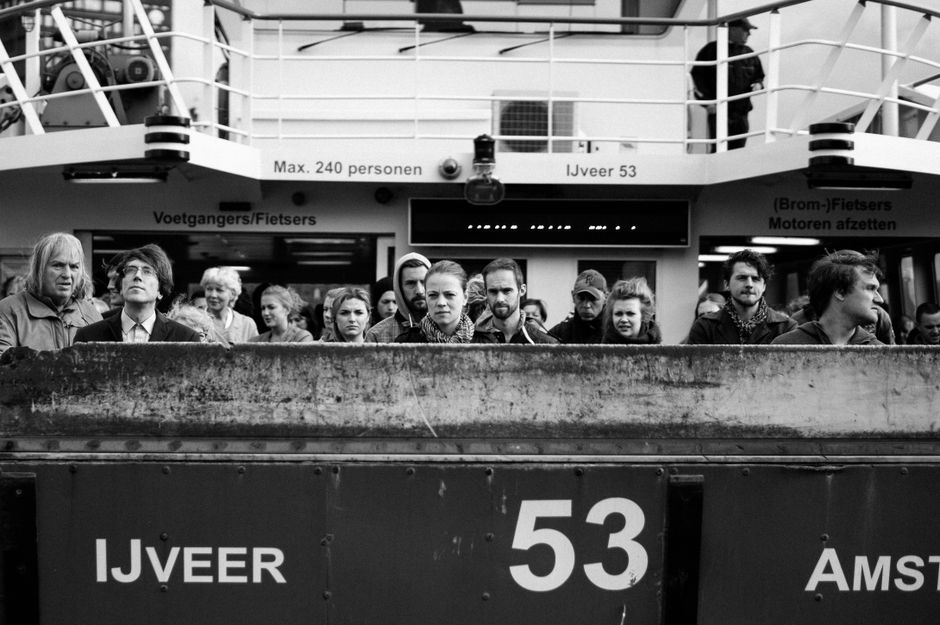
Visitors often concentrate in the historic center (Centrum, around Dam and the canal district). To escape the crowds, head north and east — two areas where renovated industry and parks create contrasting, creative and very local vibes. The free ferry ride from Amsterdam Centraal is a genuine transition marker to a different side of the city (GVB ferries toward NDSM, regular departures, about 15 minutes).
NDSM-werf — address: NDSM-Plein, 1033 WB Amsterdam. This vast former shipyard turned cultural hub houses artist studios, markets and festivals. Hours: the outdoor site is open 24/7; studios and galleries typically operate roughly 11:00–18:00. Price: the ferry ride is free (GVB), exhibition entry varies (often €0–€10 for independent shows; events can cost more). Description: you’ll find painted hangars, metal sculptures, alternative bars and the famous IJ-Hallen flea market (usually the first weekend of the month — check dates on www.ijhallen.nl). Local tip: arrive in the late afternoon for exceptional light over the IJ and stay for a drink at a container bar at sunset.
IJplein and Houthaven — address: IJplein, 1013 Amsterdam (Houthaven) / Houthavenkade. An east-of-center area recently redeveloped, ideal for a stroll along the basin with cafés tucked into old maritime sheds. Hours & price: open access, cafés usually 09:00–22:00; meals around €10–€25. Description: a mix of modern residential blocks, old docks and small neighborhood restaurants. Tip: walk out onto the pontoons to watch river life and local yachts, and explore the side alleys for local design shop windows.
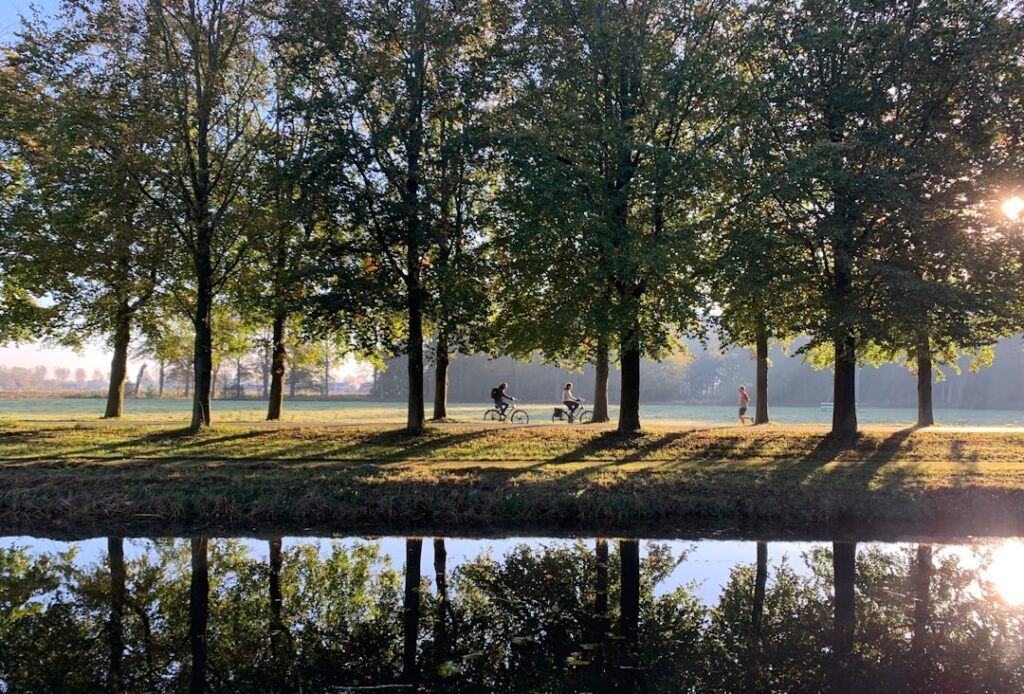
Oosterpark — address: Tweede Oosterparkstraat 5, 1093 BT Amsterdam. Hours: park open 24/7; facilities (kiosk, cafés) roughly 09:00–18:00. Price: free entry. Description: a large popular park in the De Plantage neighborhood frequented by families, joggers and musicians. Nearby are cultural venues like the Tropenmuseum (busy but rewarding) and neighborhood cafés. Local tip: enjoy tea and cake at a nearby café after a morning walk; avoid the afternoon rush if there’s a local festival scheduled (more people and noise).
Getting around tips: use the free GVB ferries to cross the IJ (from Amsterdam Centraal to NDSM, Buiksloterweg) — they’re convenient and frequent. Rent a bike if you’re comfortable with bike traffic; main bike lanes are fast and can be intimidating for beginners. If you prefer to avoid the crowded tourist bridges, take secondary footbridges and look for public staircases that open onto the water — these are often calm viewpoints for sunset photos without the hordes.
2) Micro-museums and offbeat cultural spots (Museum Het Schip, KattenKabinet, Huis Marseille)
Amsterdam has no shortage of museums. Beyond the heavyweights (Rijksmuseum, Van Gogh Museum), some micro-museums tell social history, everyday life and local creativity without the crowds or long lines. These places are perfect for visitors seeking context and authenticity.
Museum Het Schip — address: Oostzaanstraat 45, 1013 WG Amsterdam. Hours: Wednesday–Sunday, 10:00–17:00 (check the official site for exceptions). Price: tickets around €10 for adults, reduced €7–8 for students/seniors; guided tours (in English/Dutch) available at varying prices. Description: a museum dedicated to Amsterdam School architecture (an expressionist movement from 1910s–1930s). The building is itself a work of art, with sculpted brickwork, metalwork and reconstructed interiors. Why it avoids the traps: unlike large institutions, Het Schip retains a human scale — short audio guides, focused thematic displays and a well-curated shop. Local tip: book the reconstructed apartment tour (often included) to understand early 20th-century working-class life.
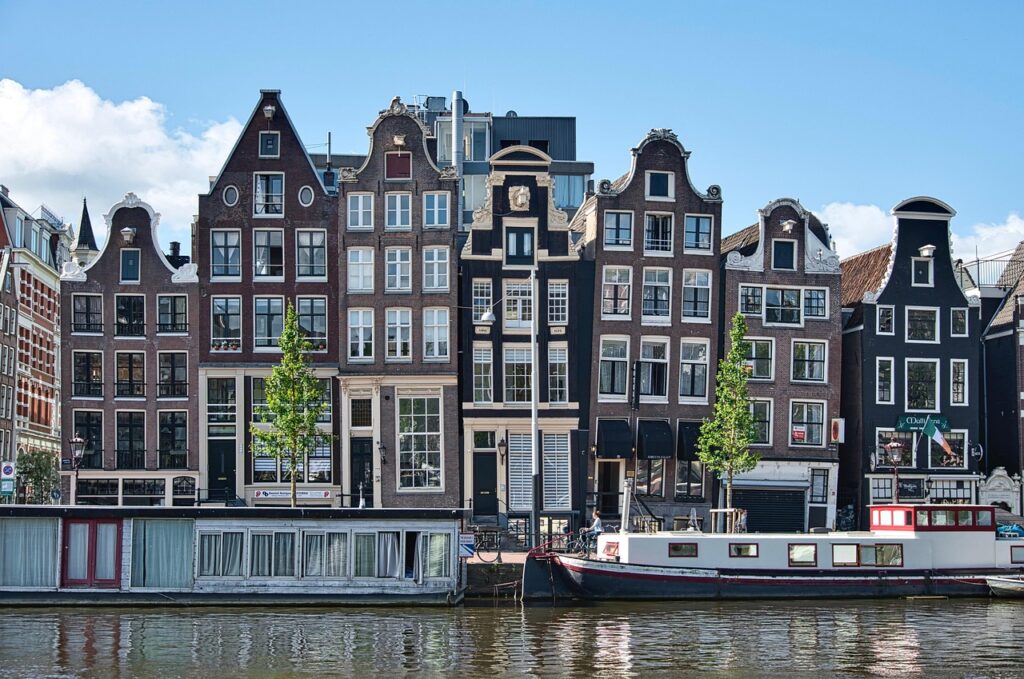
KattenKabinet — address: Herengracht 497, 1017 BZ Amsterdam. Hours: Tuesday–Sunday 13:00–17:00 (times may change). Price: around €6 for adults, reduced rates for children. Description: a unique museum dedicated to cats in art and culture, housed in a historic canal house. The experience is intimate and usually very quiet, supported by a community of local visitors who appreciate the humorous, discreet collections. Local tip: visit in the afternoon to avoid morning traffic and enjoy the small back garden for a peaceful break.
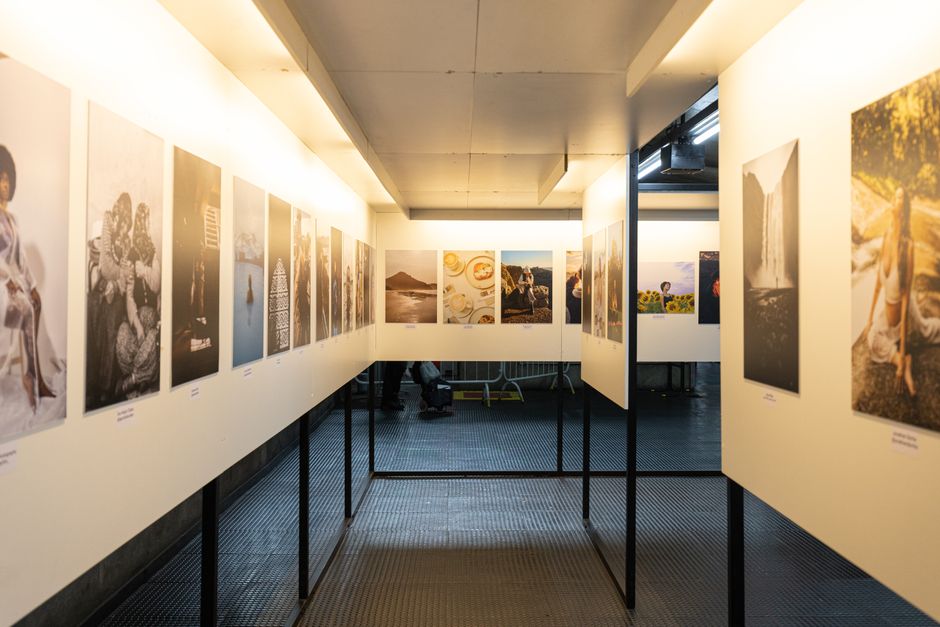
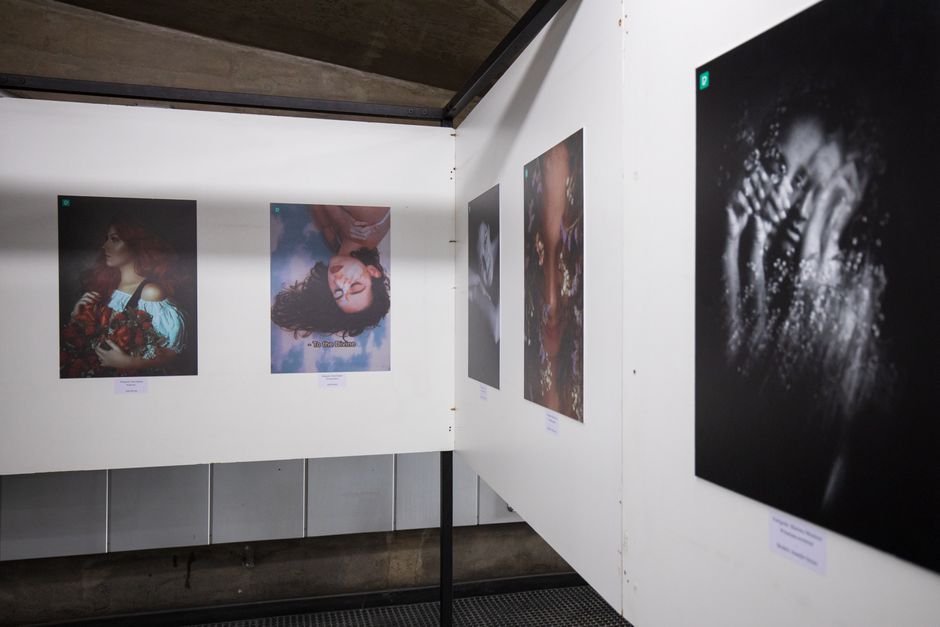
Huis Marseille, Museum for Photography — address: Keizersgracht 401, 1016 EZ Amsterdam. Hours: Tuesday–Sunday 10:00–18:00; closed Monday. Price: adult tickets around €12–€15, reduced for students and youth. Description: set in a 17th-century canal house, this photography museum presents carefully selected thematic exhibitions, often focused on documentary and contemporary photography. Why come: the small scale of the museum allows real immersion, accessible shows and a pleasant café for post-visit conversation. Local tip: buy your ticket online to avoid the desk, but don’t go exactly at opening if you want a quiet visit — the sweet spot is between 11:30 and 14:30.
Other micro-spots to know: Museum Van Loon (Herengracht 672) for a less crowded canal house aristocratic home, or the Scheepvaartmuseum (Maritime Museum) if you target evening hours (it stays open late on some days). Anti-trap rules: don’t turn these museums into a checklist race; take time to read labels, talk to volunteers and buy a paper guide if available — it’s often economical and enriching.
3) Markets, cafés and neighborhood restaurants — how to eat like a local
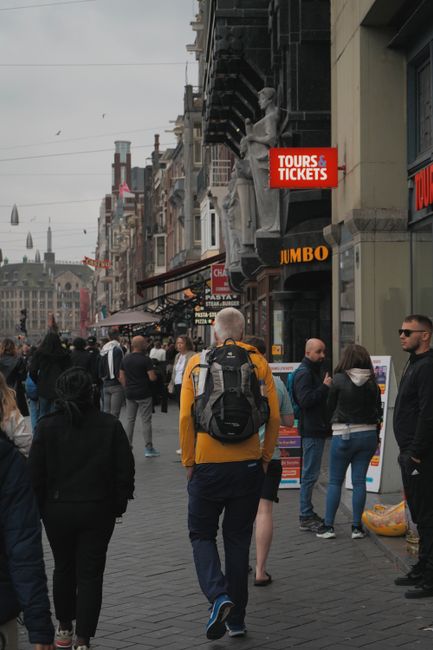
Eating in Amsterdam can be either memorable or a tourist trap. Restaurants around Dam and the Red Light District often serve pasteurized, tourist-focused menus. For authentic food, favor neighborhood markets, small canteens, local breweries and family-run cafés. Here’s a tested selection with addresses, hours and price ranges.
Dappermarkt — address: Dapperplein and Dapperstraat, 1093 Amsterdam (De Pijp/Eastern Islands). Hours: open Monday–Saturday roughly 09:00–17:00; closed Sunday (hours vary by season). Price: free entry; street food €2–€8 per dish. Description: a multicultural market offering vegetables, spices, clothes and halal stalls. It’s heavily used by locals; you’ll find wood-fire specialties, fried fish and Turkish pastries. Local tip: grab roasted herring or an Indonesian-style pancake (pannenkoek) and eat on the benches; check flower stalls early for the best prices.
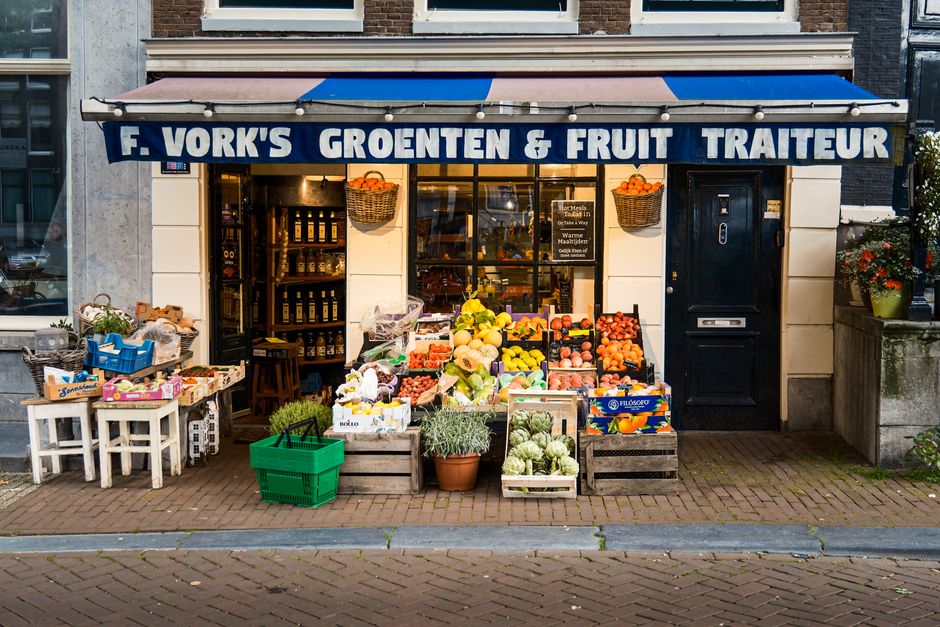
Foodhallen — address: Bellamyplein 51, 1053 AT Amsterdam (De Hallen). Hours: 11:00–22:00 (varies by vendor). Price: plates €5–€15, drinks €3–8. Description: a former tram depot turned food hall with multi-cuisine stalls. While known to visitors, Foodhallen is a solid option for groups or rainy days; however, avoid peak dinner hours (18:00–20:00) if you want a quiet table. Local tip: hunt for stalls run by locals (often near the windows) and share small plates rather than ordering a single main to taste more cuisines.
Brouwerij ‘t IJ (microbrewery next to De Gooyer windmill) — address: Funenkade 7, 1018 AL Amsterdam. Hours: Monday–Thursday 14:00–22:00, Friday–Sunday 12:00–22:00 (hours vary). Price: beers €3.50–€5.50 a pint depending on the type; simple brewery tours free or small fee (≈€5–10). Description: a microbrewery next to the De Gooyer windmill, beloved by locals for its quality beers and relaxed vibe. Local tip: order a cheese board and ask to sample several brews; avoid busy weekend hours (16:00–20:00) if you want a table.
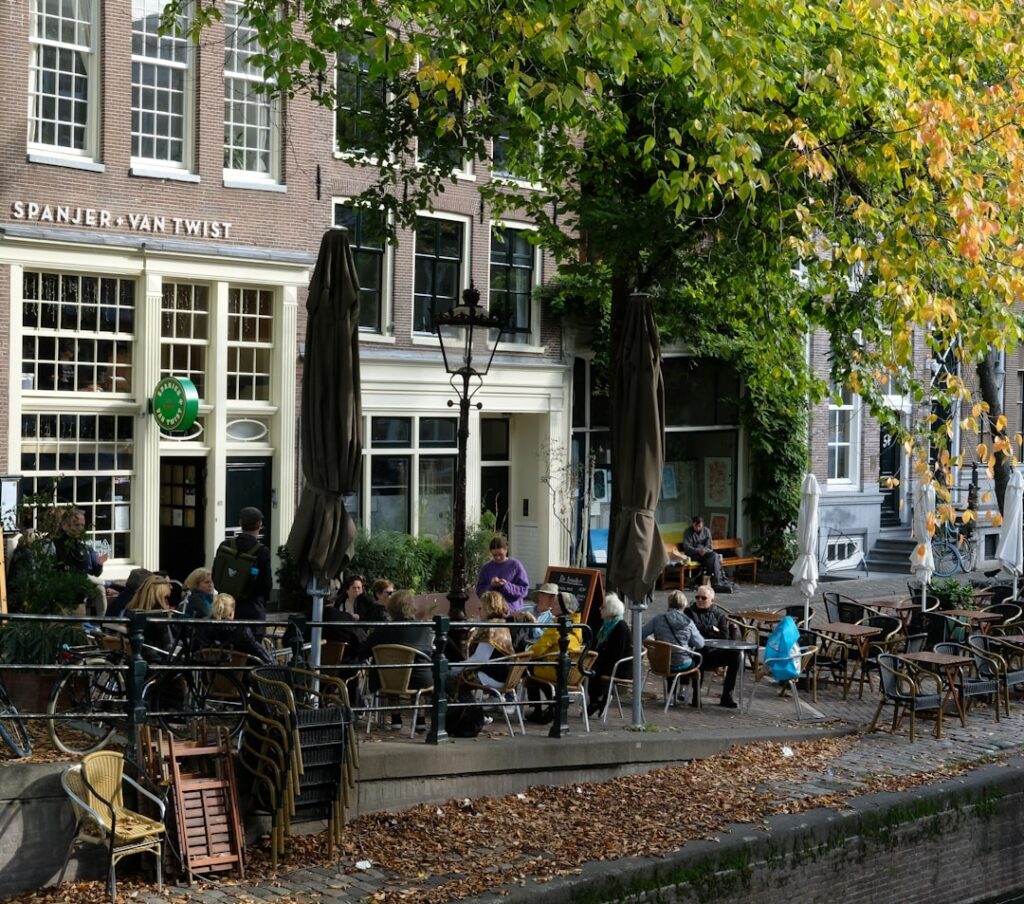
Café ‘t Smalle — address: Egelantiersgracht 12, 1015 RL Amsterdam (Jordaan). Hours: 09:00–01:00 (varies). Price: coffees €2.50–€4, dishes €8–€18. Description: a historic Jordaan café with a façade overlooking a small canal and a cozy terrace. Friendly atmosphere and mixed clientele. Local tip: sit on the canal-side terrace in the early morning; avoid the central indoor tables in the evening if you’re looking for a quiet spot to read.
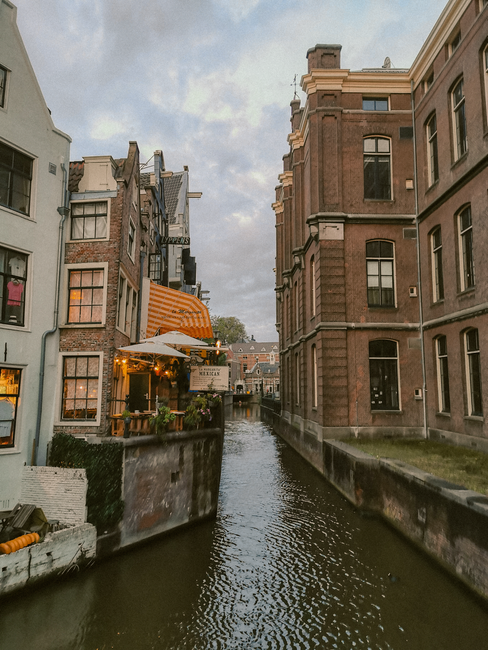
Practical tips for eating like a local:
- Favor places where the menu is in Dutch and English, not just English — that’s often a sign of local patronage.
- Ask staff for recommendations: locals love to tell you their favorite dish.
- Avoid “tourist” menus with huge photo displays outside — these places are often worse and pricier.
- Seek small neighborhood cafés that open early for breakfast: they’re meeting places for residents and often serve great coffee and homemade pastries.
4) Green spaces, hidden courtyards and quiet spots: Begijnhof, Hortus Botanicus and private gardens
The whisper of the canals, the sound of a bike bell in the distance, a shady bench: Amsterdam offers peaceful spots if you know where to look. Historic inner courtyards and lesser-known parks are refuges to read, chat or simply watch urban life glide by. Here are three places to find silence and avoid tourist lines.
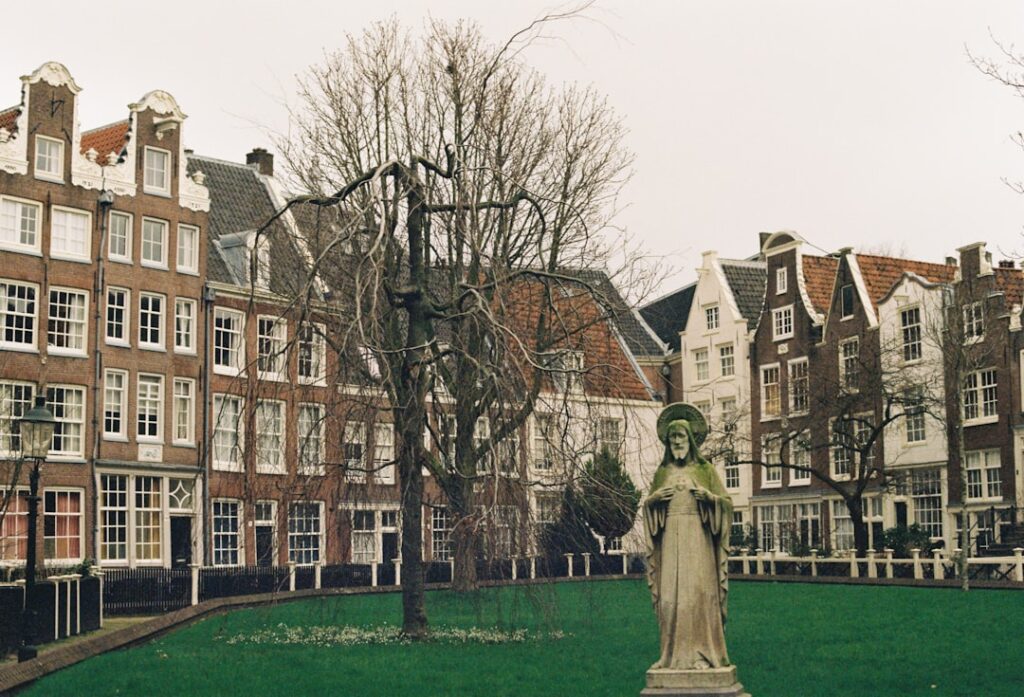
Begijnhof — address: Begijnhof 30–34, 1012 HW Amsterdam. Hours: access generally between 09:00–17:00 (may vary; sometimes closed for private events). Price: free, small suggested contribution at the visitor center. Description: a medieval inner courtyard surrounded by houses from the 15th and 17th centuries, with a chapel and a central garden. It’s one of the best-kept secrets in the center — absolute calm during the day despite nearby tourist activity. Local tip: enter through the street gate and walk slowly; keep voices low and respect the residents who still live there. The shaded benches make for a perfect reading moment and subtle photo opportunities.
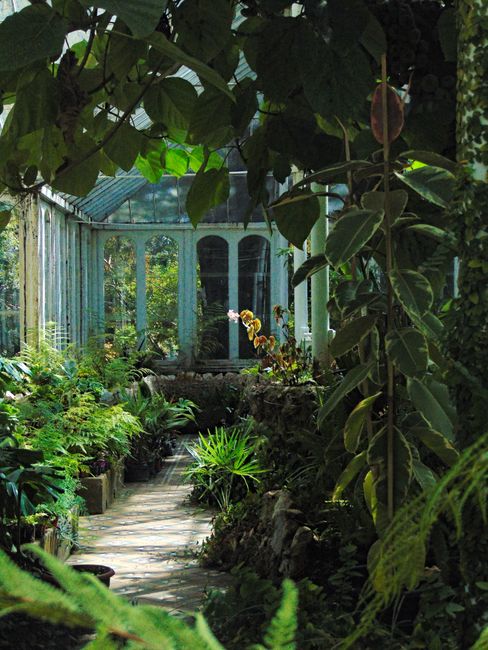
Hortus Botanicus Amsterdam — address: Plantage Middenlaan 2a, 1018 DD Amsterdam. Hours: generally 10:00–17:00 (open until 18:00 in summer), closed some public holidays. Price: adult ≈€11–€13, reductions for students/children. Description: one of the world’s oldest botanical gardens, created to study and preserve rare plants. Less crowded than major museums, the garden offers themed greenhouses (tropical plants, cacti, orchids) and quiet corners for a pause. Local tip: visit early morning or late afternoon; grab a coffee at the small garden café and spend time in the tropical greenhouse to experience a different light and warmth from the city outside.
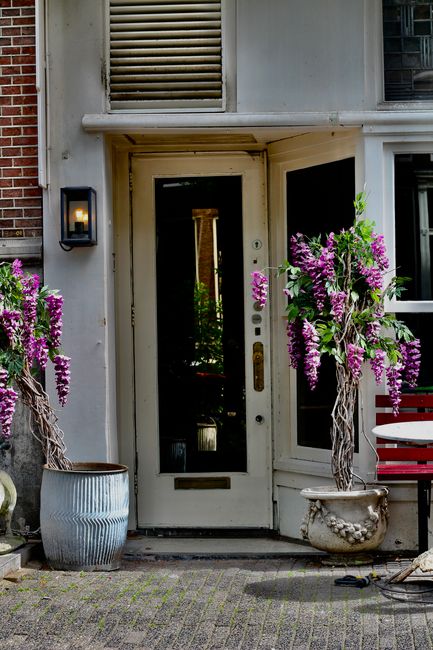
Private gardens and courtyards in De Plantage and Jordaan — addresses: scattered (Reguliersgracht, small Prinsengracht courtyards); for Jordaan, stroll around Egelantiersgracht and Brouwersgracht. Hours: access to private courtyards is often limited; public gardens open according to park hours. Price: free when accessible. Description: these neighborhoods host small house courtyards, front gardens and cafés with backyards. The trick: spot a door between facades that opens onto a courtyard; often a small sign reads « private but open » — you can usually enter for a coffee or a respectful look. Local tip: avoid intrusive photos of residents; a smile and a polite question will open many doors.
Practical tips for finding quiet in the city: avoid the center on market days (Waterlooplein, Dam) if you want peace. Seek smaller museums that offer a break (cafés and bookstores). If you’re staying in an Airbnb or a small hotel, ask the host for their neighborhood « corners »: the best addresses often don’t appear on Google Maps but are shared by word of mouth.
Conclusion — Travel smart: respect Amsterdam and leave with genuine memories
Exploring Amsterdam without falling into tourist traps takes a bit of planning and plenty of curiosity. It’s not about avoiding popular spots entirely, but balancing sightseeing and experience: alternate mornings in a micro-museum with afternoons in a park, lunch at a local market, dinner in a neighborhood brewery, or take the free ferry north for a creative sunset at NDSM. The practical addresses and prices in this guide will help you plan without surprises: always double-check opening times on official sites before you go — museums and cafés often adjust hours seasonally and for events.
Respecting Amsterdam’s residents is key to a successful visit: follow bike etiquette, speak quietly in inner courtyards, don’t take intrusive photos of people who live there, and favor independent businesses over chains. Savings are easy if you choose markets and use free ferries instead of paid boat tours. If you’re short on time, focus on one or two areas (for example NDSM + Noord or Oosterpark + De Plantage) rather than racing between major sites — quality comes from slowing down and paying attention to details.
Finally, remember that this anti-guide isn’t a rejection of tourism but an invitation to do it wisely. Take this guide into the field, note your own small discoveries (a café, a bench, a bookstore), and don’t hesitate to come back: Amsterdam reveals itself over several visits. You’ll leave with far more authentic memories than a photo in front of an overcrowded attraction — a chat with a local brewer, a morning at the market, an intimate exhibition, and the calm of a hidden courtyard. Safe travels, and may your Amsterdam be one of real encounters and moments that matter.