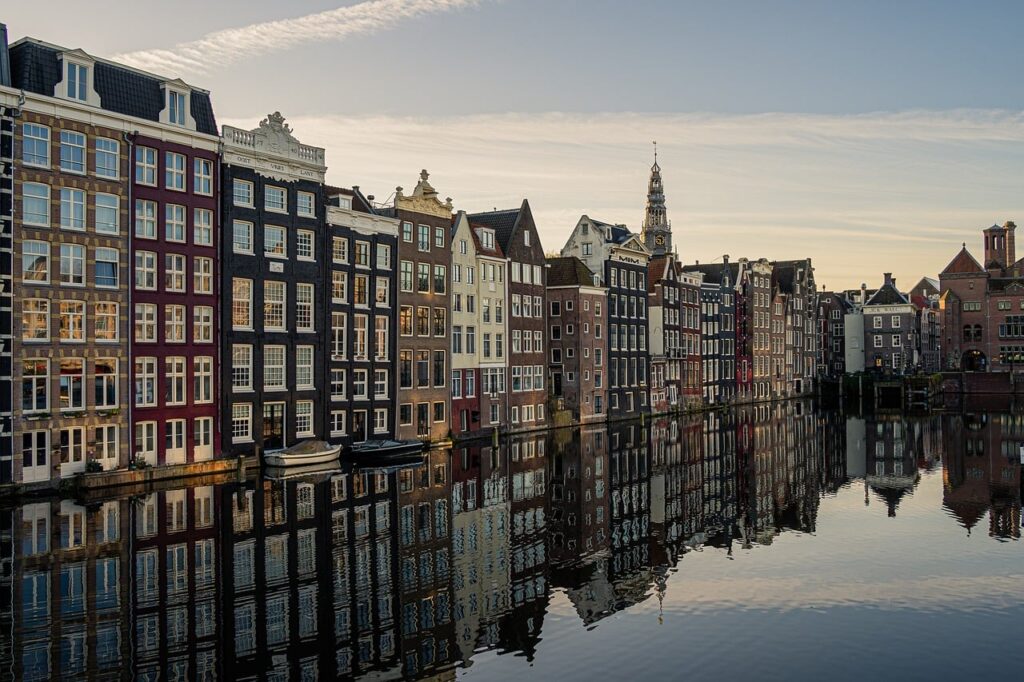






Introduction — Why museums and bridges make Amsterdam a photographer’s playground
Amsterdam is a city of reflections, light, and architectural alignments that catch the eye. Between the ornate canal houses, bridges arching over the water, and cultural institutions housing masterpieces, the Dutch capital serves up a feast of photographic opportunities. This guide focuses on two elements that, when paired, create iconic images: museums — for interiors, details, and carefully composed shots — and bridges — for silhouettes, reflections, and urban perspectives.
Amsterdam’s museums are more than containers for art; for photographers they’re places of dramatic light contrast, graphic staircases, historic façades, and tranquil courtyards. The Rijksmuseum, Van Gogh Museum, Stedelijk, Anne Frank House and Hermitage Amsterdam each offer different architecture, materials, and moods to explore. Some museums allow non-flash photography in public areas; others restrict professional gear or limit shooting to certain times — knowing the rules is essential to avoid being turned away or having equipment confiscated.
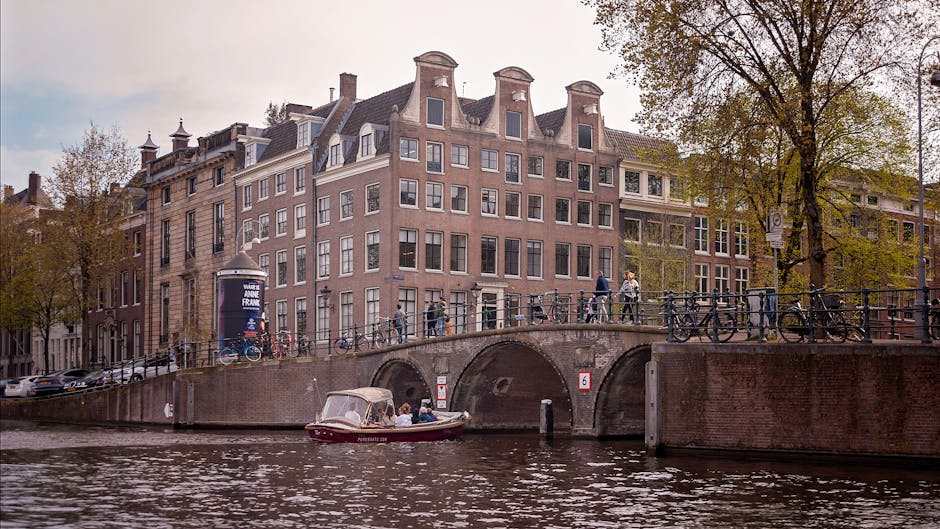
The city’s bridges act as perfect outdoor stages. Low elegant bridges, lifting bridges, and modern footbridges provide leading lines, natural frames, and reflections that shift with the hour and the weather. The Magere Brug (Skinny Bridge), Blauwbrug (Blue Bridge), Pythonbrug (Python Bridge), Torensluis and the many bridges of Jordaan are all great places to shoot at sunrise and sunset to capture warm tones and mirror-like water.
This guide gives you precise locations — full name, exact address, admission prices in euros, opening hours — plus immersive descriptions, technical tips and local tricks to get the best shots. You’ll find recommendations for the best time of day at each spot, angles to favor, which lenses to bring and practical tips (transport, safety, lighting). Whether you’re shooting on a smartphone or a full-frame camera, this guide will help you capture the essence of Amsterdam by combining museum artistry with the poetry of its bridges.
Before you dive into the detailed sections: check real-time opening hours and prices on official museum sites (they can change with special exhibitions), arrive early at popular venues, and respect photography rules (especially where works are sensitive to light). And aim for the golden hours (sunrise and sunset) to maximize color and canal reflections.
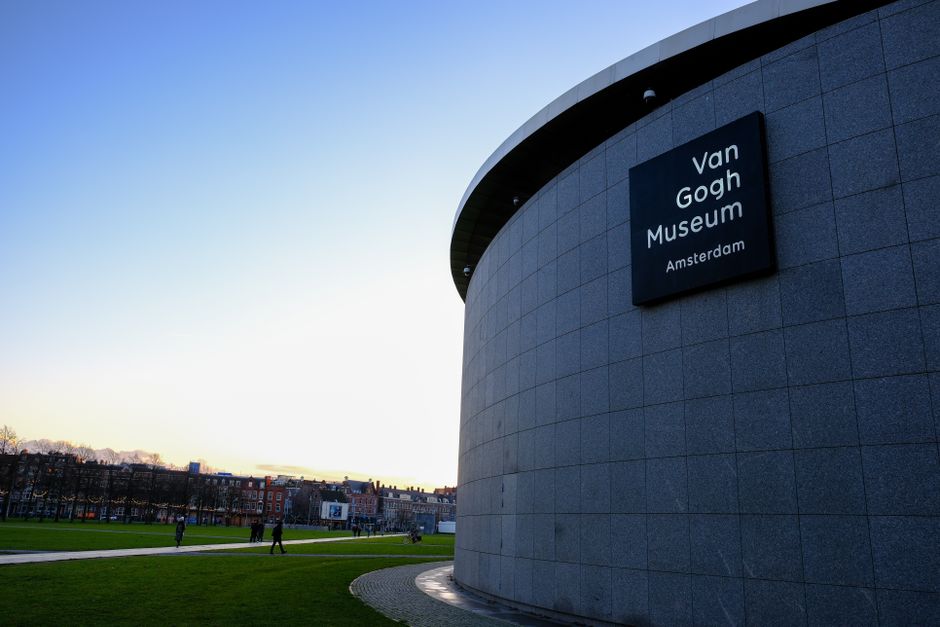
Rijksmuseum — classic compositions and majestic façades
Full name: Rijksmuseum Amsterdam
Address: Museumstraat 1, 1071 XX Amsterdam
Price: adult ticket around €22 (buy online recommended)
Opening hours: usually 09:00–17:00 (check official site for temporary exhibitions)
The Rijksmuseum is the temple of classic composition: Dutch Golden Age paintings, sculptures and a spectacular interior and exterior architecture. The large brick façade, the pedestrian bridge crossing the canal in front of the entrance and the inner courtyard with its neo-Renaissance details create perfect patterns for wide-frame shots. Inside, the Philips Staircase and the central gallery provide striking vertical lines and vanishing points. For moody shots, use shallow depth of field to isolate sculpture details or the gleam of gilded frames.
Photo tips: arrive at opening to photograph the façade before crowds arrive (the morning golden hour can work depending on the season). Use a wide-angle for the central hall and a mid-range lens for artwork portraits. Non-flash photography is generally allowed in public spaces, but tripods are often prohibited without permission. If you want visitor-free images, book an early morning or late closing visit.
Local tips: the lawn in front of the museum (Museumplein) is ideal for setting up a tripod for building panoramas at sunset. Watch out for cyclists and selfie-seekers — incorporate them into your frame if you want a lively atmosphere. The museum café also offers warm interior angles for lifestyle shots.
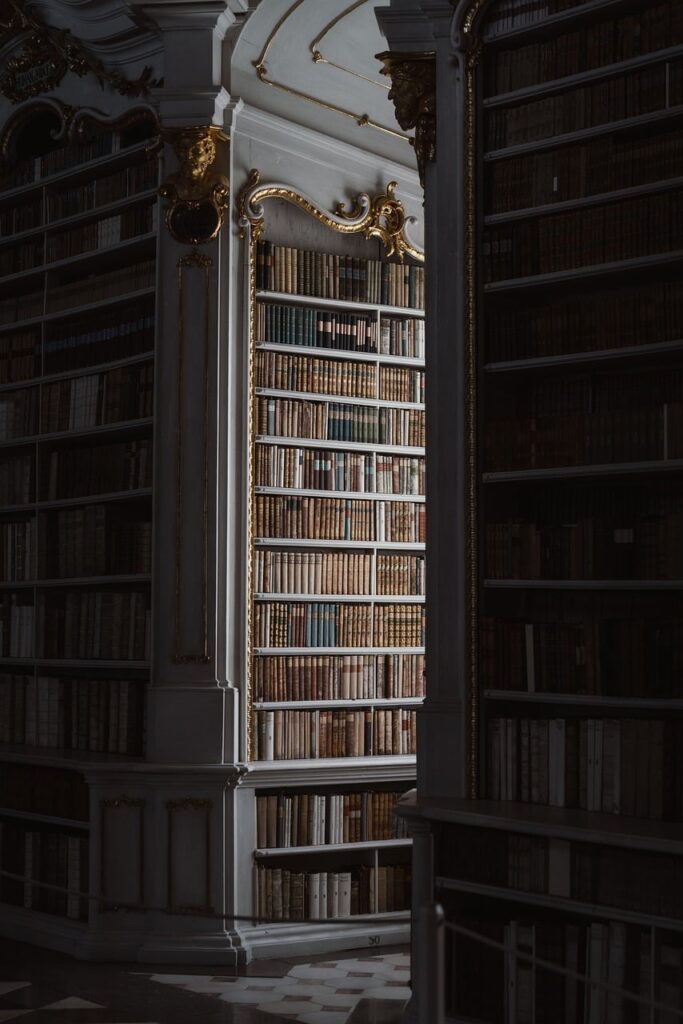
Van Gogh Museum and Stedelijk — controlled light and vivid color
Full name: Van Gogh Museum
Address: Museumplein 6, 1071 DJ Amsterdam
Price: adult ticket around €20 (timed online reservation)
Opening hours: usually 09:00–18:00, sometimes later on Fridays
The Van Gogh Museum is a masterclass in color and texture. The galleries are designed to make the artist’s palette pop: neutral walls, directional lighting and uncluttered spaces. For photographers this means you can capture pigments and brushwork without distractions. Close-up shots with a 50mm prime or a short zoom work well to honor the details. Note that indoor photography is often allowed without flash for non-commercial use, but rules can change with special exhibitions.
Full name: Stedelijk Museum Amsterdam (museum of modern and contemporary art)
Address: Museumplein 10, 1071 DJ Amsterdam
Price: adult ticket around €22 (varies by exhibition)
Opening hours: usually 10:00–18:00, closed some late nights
Right next door to the Van Gogh Museum, the Stedelijk offers contrast: modern architecture, minimalist lines and large white rooms. Contemporary works often require a different approach — graphic compositions, playing with scale between pieces and visitors, and using negative space. The rooftop terrace and glass façade are perfect for silhouettes at sunset. Bring a small tripod for long interior exposures (check the museum’s policy) and a wide-angle for immersive installations.
Practical tips: buy tickets in advance to skip lines; combine Van Gogh + Stedelijk + Rijksmuseum into a half-day at Museumplein. Modern LED lighting often allows for lower ISO, but prefer a fast lens (f/1.8–f/2.8) for sharp detail without flash.
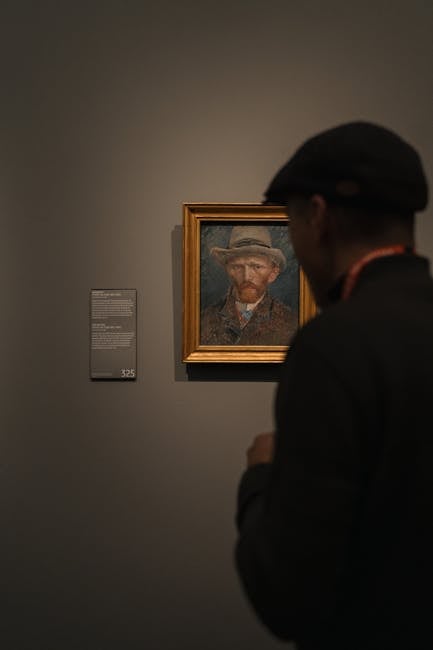
Anne Frank House and Hermitage — intimate stories and riverside façades
Full name: Anne Frank House (Anne Frank Huis)
Address: Westermarkt 20, 1016 GV Amsterdam
Price: adult ticket around €14 (timed reservation required; limited photography inside main exhibition)
Opening hours: variable by season, usually 09:00–22:00 in high season
The Anne Frank House is not a place for dramatic visuals — it’s a space of remembrance. Narrow corridors, filtered light through small windows and the diary as the central subject call for respectful, restrained photography. Most of the time, photography inside is limited or prohibited for conservation and out of respect. However, the canal façades and the adjacent square offer portrait and contextual composition opportunities that evoke the neighborhood’s history.
Full name: Hermitage Amsterdam
Address: Amstel 51, 1018 EJ Amsterdam
Price: adult ticket around €17 (varies with temporary exhibitions)
Opening hours: usually 10:00–17:00
Located on the banks of the Amstel, the Hermitage Amsterdam pairs elegant exhibition rooms with an ideal riverside setting for bridge shots. Large windows look out over the water and allow for dramatic backlit scenes at dawn. Use the exterior terraces and quay to capture the building reflected in the Amstel — especially photogenic in spring when the riverbanks are leafy.
Local tips: around the Anne Frank House, wander Jordaan’s alleys at dawn to capture house façades and small footbridges. At the Hermitage, bring a polarizing filter to control water reflections and boost sky saturation — very handy on sunny days.
Iconic bridges — Magere Brug, Blauwbrug, Pythonbrug and other angles
Magere Brug (Skinny Bridge)
Location: Kerkstraat, spanning the Amstel, 1015 CX Amsterdam (approx.)
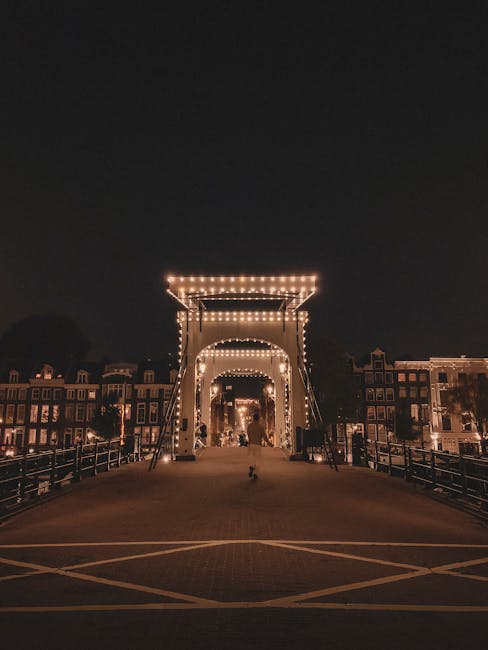
Description: a white timber bridge with spans and romantic nighttime lighting. Ideal for portraits and leading lines. Best time: sunrise for calm reflections.
Blauwbrug (Blue Bridge)
Location: Amstel, between Waterlooplein and Rembrandtplein (public coordinates available)
Description: a bridge adorned with sculpted lamp posts and blue balustrades, evocative of Parisian bridges. Spectacular at sunset with the Amstel tower in the background.
Pythonbrug (Python Bridge)
Location: Sporenburg, in the Oostelijk Havengebied neighborhood, 1013 (approx.)
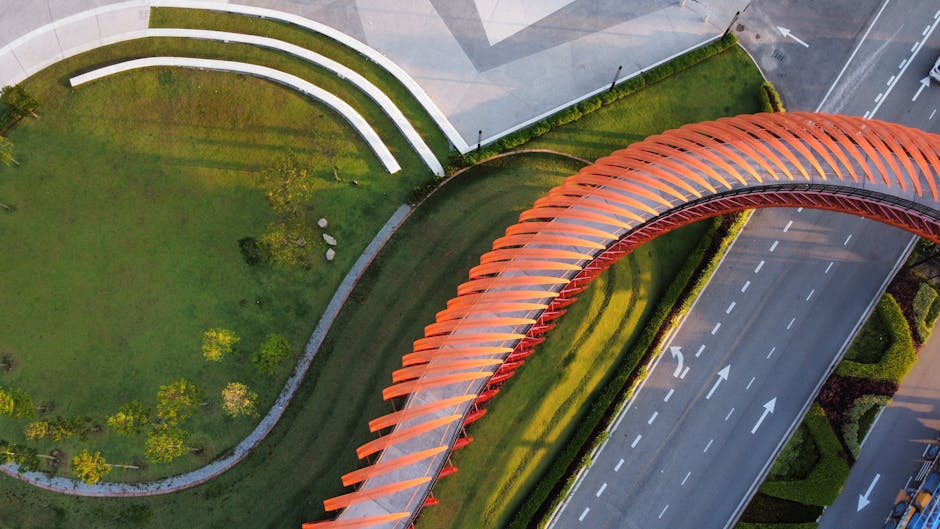
Description: a modern pedestrian bridge with sinuous curves. Great for minimalist compositions and shadow play. Best time: side light to emphasize the curves.
Torensluis
Location: Singel, intersection with Heiligenweg, 1015 Amsterdam (approx.)
Description: one of Amsterdam’s oldest and widest bridges, with panoramic views of canal façades and houseboats. The steps and railings are perfect for urban photos with depth.
Technical tips for bridges: use a lightweight tripod for long night exposures (5–30s) to get mirror-like water and light trails from boats. A wide-angle lens (16–35mm) will capture the entire bridge and urban landscape. During quiet hours (before 08:00 or after 21:00) you’ll face fewer interruptions from traffic and cyclists. For bokeh and portraits, a 50–85mm focal length gives warm renditions of streetlamps and urban details.
Combining museums and bridges — half-day photo itineraries
Morning route (museums + bridge): start at the Rijksmuseum, Museumstraat 1 (opens 09:00) to catch soft light on the façade, then walk to the Van Gogh Museum, Museumplein 6 for interior details. From there, head across the canal neighborhood to the Magere Brug (Kerkstraat) to capture morning reflections. Estimated time: 3–4 hours.
Evening route (bridges + museums at night): visit the Hermitage Amsterdam, Amstel 51 in the afternoon for Amstel views, then choose the Blauwbrug at sunset to photograph lamp posts and silhouettes. If you have a late reservation at the Stedelijk Museum, Museumplein 10 (some Fridays stay open), enjoy the modern interiors lit up.
Practical tips: charge your batteries (few public outlets), bring extra memory cards and a rain cover if the forecast calls for showers. For night photography, a small tripod and a remote shutter (or timer) make a big difference. Respect “no photo” signs in museums and ask permission if you’re using professional lighting or tripods.
Conclusion — Building a cohesive Amsterdam gallery
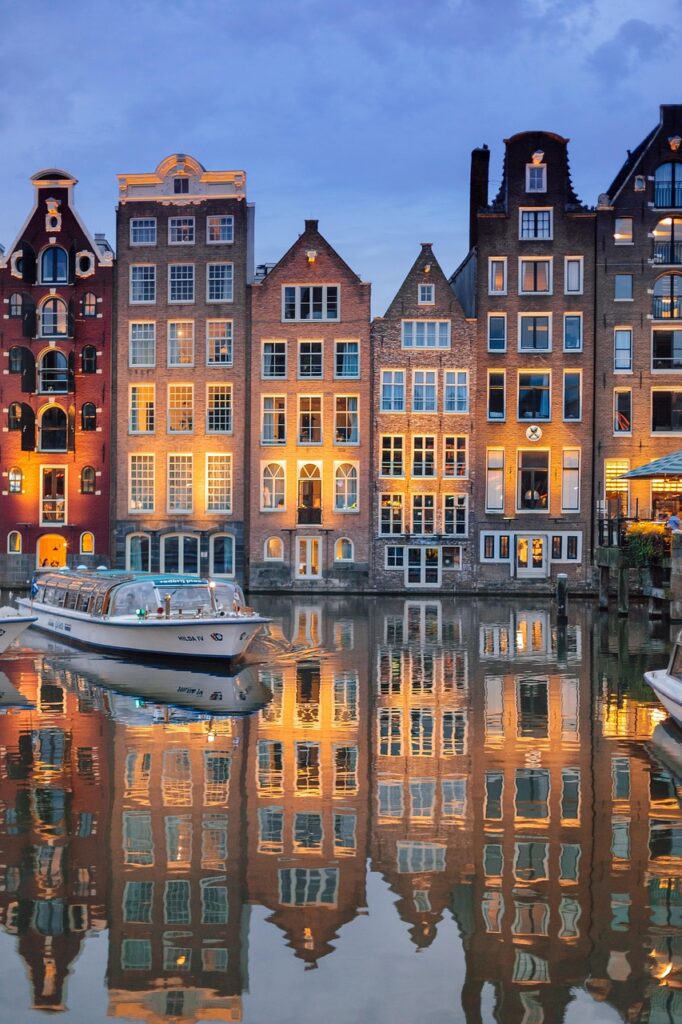
Amsterdam provides a rich palette for putting together a cohesive photo gallery: museums for narrative depth and details, bridges for panoramic compositions and reflection play. By combining these two worlds you can create a body of work that tells the city’s story from intimate to monumental. Start your shoots early, plan visits around opening times (and photography rules), and adapt your kit to the constraints: fast lenses for museum interiors, wide-angle and tripod for bridges and night scenes.
Don’t underestimate the power of visual storytelling: a shot of a masterpiece at the Rijksmuseum works best when paired with an image of a nearby bridge at sunrise that shows how light shapes the city. Likewise, a sequence that juxtaposes a pictorial detail from the Van Gogh Museum with a modern silhouette on the Pythonbrug will give viewers a fuller read on Amsterdam — both historic and contemporary. Talk to locals (boat captains, museum attendants, shopkeepers): they often share tips about quieter moments and hidden angles.
Finally, keep seasonality in mind: spring and summer bring vibrant colors and busy canals, autumn offers warm hues, and winter delivers hushed atmospheres sometimes topped with frost on the water. Whatever the season, Amsterdam is a playground for photographic experimentation — every bridge and museum is an invitation to tell a story in images. Happy exploring and happy shooting — respect the places, follow the rules, and let the city inspire you.