




Introduction — Canal Stroll & Museums: Essential itinerary along Amsterdam’s canals
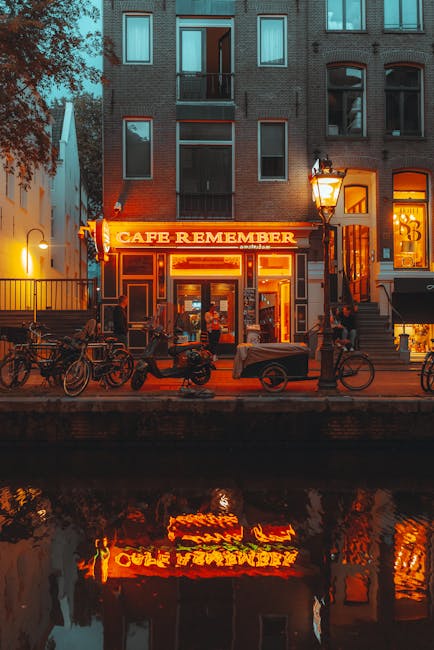
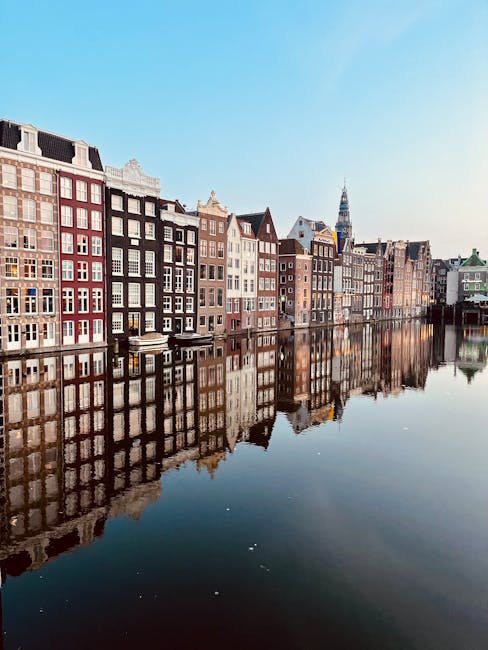
Amsterdam is a city shaped by water, where museums tell stories of art, history and everyday life with rare intensity. Wandering along the canals is like walking through centuries of merchant architecture, catching shifting reflections on the water, and stumbling upon narrow houses that hide artistic treasures. This guide is designed to pair museum exploration with canal discovery: it lists exact addresses, opening hours, prices in euros and a logistical route to help you make the most of an efficient and immersive visit.
We cover major museums such as the Rijksmuseum (national collection), the Van Gogh Museum (the world’s largest Van Gogh collection), the Anne Frank House (a moving historical testimony), the Rembrandt House (Rembrandt’s historical studio), as well as lesser-known but insightful places like the Grachtenhuis (Canals Museum) and FOAM (contemporary photography). For each site you’ll find the exact address, typical ticket prices and regular opening hours, plus practical tips to avoid queues, how to book in advance and the best times to enjoy exhibitions with fewer crowds.
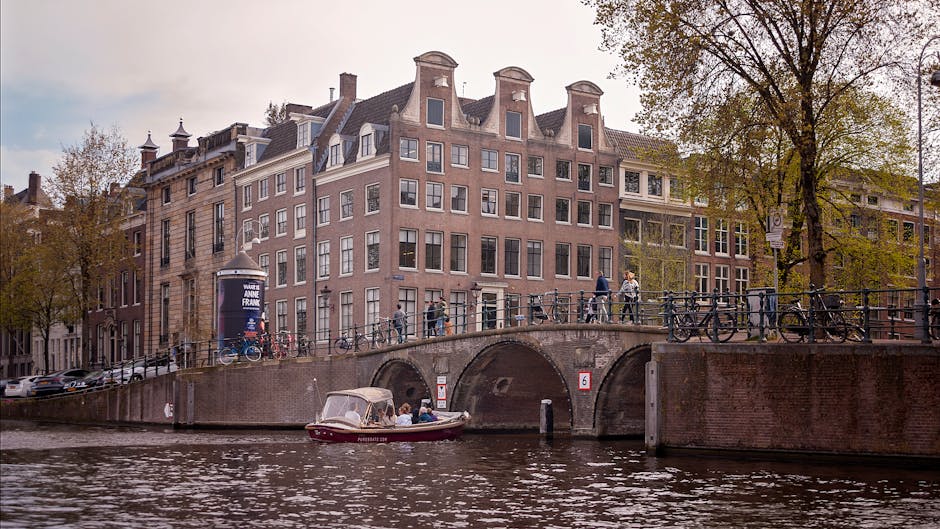
Along the canals — mainly the UNESCO-listed Grachtengordel (the canal belt) — the route alternates walking visits, museum stops and short boat crossings. We describe a day-by-day itinerary with alternatives depending on weather or your pace. The guide also explains the choice between a guided tour cruise, renting a private boat or using public water transport, and includes practical fare information for combo tickets and museum passes (I Amsterdam Card, Museumkaart) to help you manage your budget.
Throughout the guide you’ll find local tips to get the most out of each stop: where to grab coffee near an exhibition, which side of the canal gives better light for photos, how to book the Anne Frank House (often sold out), and how to plan lunch breaks in picturesque neighborhoods like the Jordaan or near Leidseplein. This guide is aimed at both first-time visitors and returnees: it offers a smooth route, cultural alternatives and tricks for anyone wanting to understand the city at the rhythm of its canals and museums.
Must-see museums along the main canals
The Canal Belt (Grachtengordel) concentrates several major museums. Here’s a selection you shouldn’t miss, with practical information to plan your visit. Addresses and opening times are the most common; check official websites for occasional updates (temporary exhibits, exceptional closures).
1. Rijksmuseum — National Museum of the Netherlands
Name and address: Rijksmuseum, Museumstraat 1, 1071 XX Amsterdam.
Indicative price: Adult ticket around €22. Reduced fares often for 18–24, free for under 18s (check conditions). Online booking recommended.
Opening hours: Usually open from 10:00 to 17:00 daily (specific closures on public holidays possible).
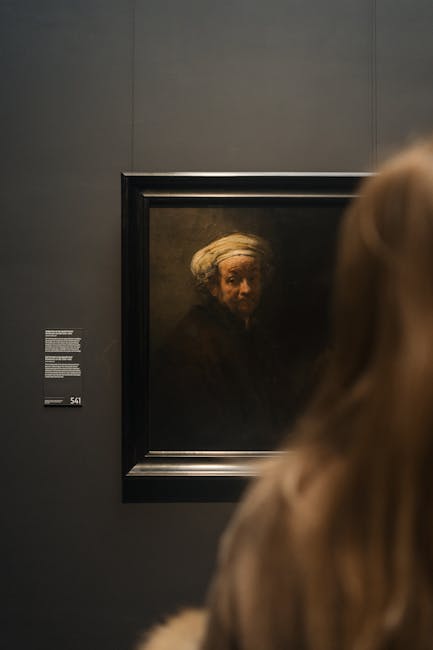
Description: The Rijksmuseum is an extensive complex devoted to Dutch art and history. You’ll find masterpieces by Rembrandt (The Night Watch), Vermeer (The Milkmaid) and a rich collection of Golden Age objects. Galleries are arranged around large vaulted halls and a green central courtyard, with views on Museumstraat and nearby canals. Allow at least 2–3 hours for a focused visit, longer if you want to linger in the decorative arts or Asian art collections.
2. Van Gogh Museum — The Van Gogh Collection
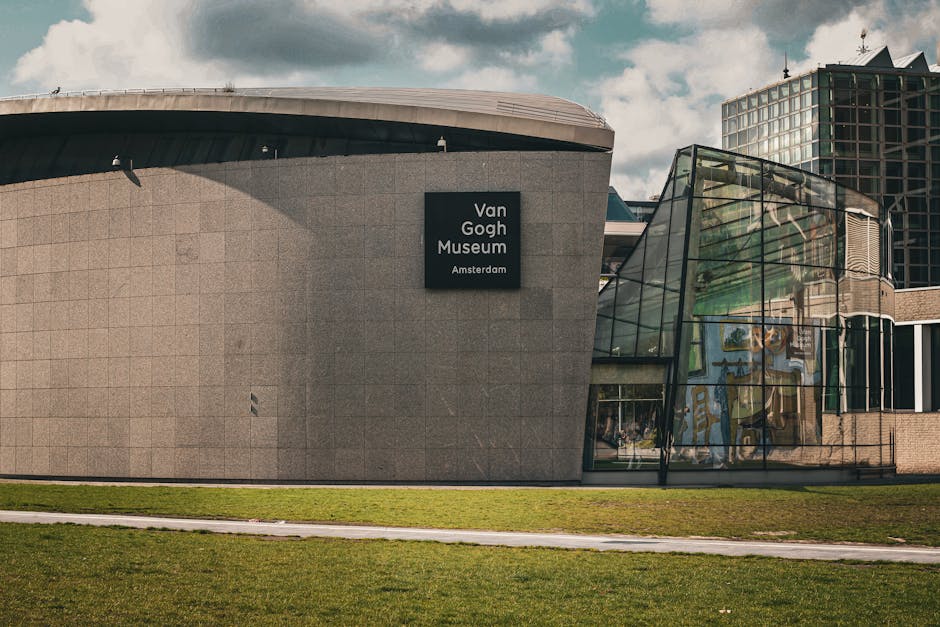
Name and address: Van Gogh Museum, Museumplein 6, 1071 DJ Amsterdam.
Indicative price: Adult ticket around €19–€21, reduced fares for 18–25, free for under 18s (check site). Timed tickets required online.
Opening hours: Generally open from 10:00 to 18:00, with late openings some days until 21:00.
Description: The Van Gogh Museum houses the largest collection of Vincent van Gogh’s works in the world: self-portraits, wheat fields, postcards and letters. The experience is immersive with audio guides, a chronological route and temporary exhibitions about his contemporaries. The museum sits on Museumplein, a short walk from the Rijksmuseum, making it easy to visit both. Lines form early; booking a specific time slot saves you waiting.
3. Anne Frank House — Huis van Anne Frank
Name and address: Anne Frank Huis, Westermarkt 20, 1016 GV Amsterdam.
Indicative price: Adult ticket around €14 (reduced rates for certain groups). Tickets only available online, strict time slots.
Opening hours: Usually open from 09:00 to 22:00 in high season; reduced hours off-season. Closed on certain public holidays (check before visiting).
Description: The Anne Frank House is an emotionally powerful place of remembrance: a young girl’s diary comes to life within the cramped rooms and hidden annex. Given its significance, visits are solemn and controlled to protect the site’s intimacy. Expect a quiet, intense experience and book weeks in advance during peak season. The museum sits along the Prinsengracht, providing a satisfying continuity between the indoor visit and a canal-side walk.
4. Rembrandt House Museum — Rembrandt Huis
Name and address: Rembrandt House Museum (Museum Het Rembrandthuis), Jodenbreestraat 4, 1011 NK Amsterdam.
Indicative price: Adult ticket around €15. Discounts for students and seniors, free for children under certain conditions.
Opening hours: Often open from 10:00 to 17:00, closed on some public holidays.
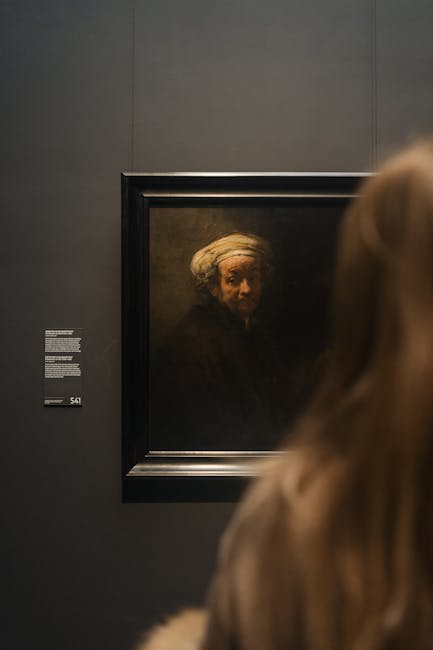
Description: Rembrandt’s house-studio showcases his working environment, technical inventions and reconstructed 17th-century studio practices. You’ll see presses, pigments and engravings, plus temporary exhibitions focused on Baroque art and studio techniques. The museum is close to the old city neighborhood, along canals and alleys where you can still sense the life of past artisans and merchants.
5. Museum Het Grachtenhuis — Canals Museum
Name and address: Museum Het Grachtenhuis, Herengracht 386, 1016 CJ Amsterdam.
Indicative price: Adult ticket around €12, reduced rates available.
Opening hours: Usually open from 10:00 to 17:00 daily.
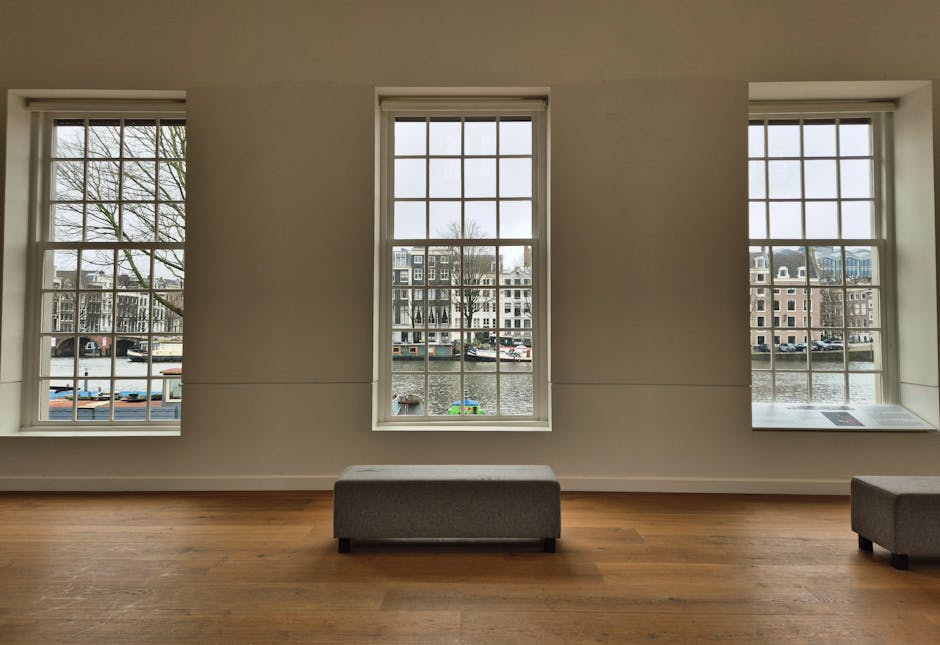
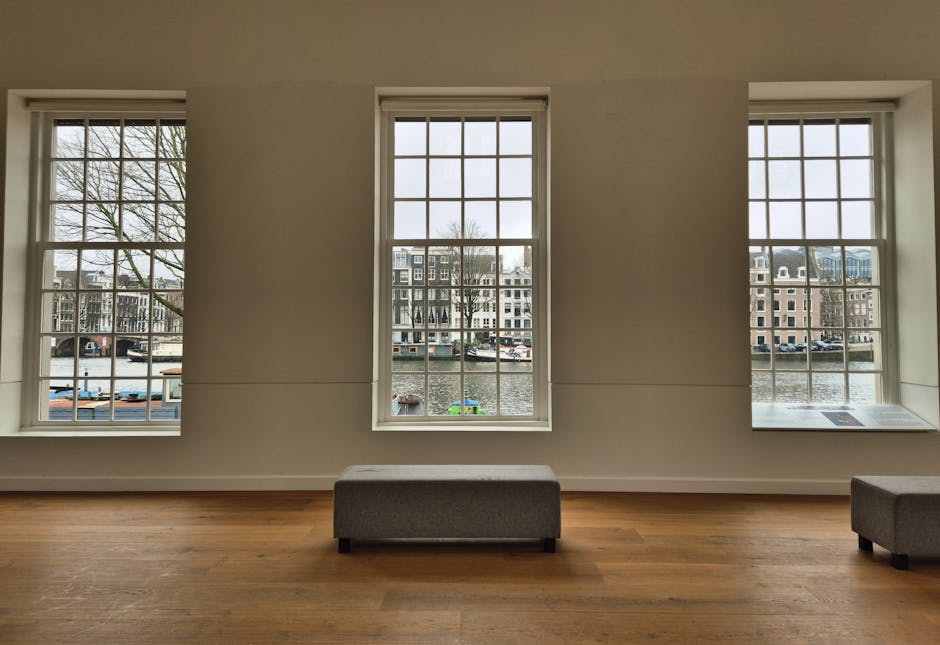
Description: Housed in a canal-side townhouse on the Herengracht, the Grachtenhuis traces the history of Amsterdam’s canals: their construction, commercial uses, urban development and residents’ daily lives. The interactive exhibits and the detailed city model help explain why these canals shaped a unique urban identity. It’s the perfect stop to give context to your later walks along the waterways.
6. FOAM — Photography Museum
Name and address: FOAM Fotografiemuseum Amsterdam, Keizersgracht 609, 1017 DS Amsterdam.
Indicative price: Adult ticket around €12–€14, reductions for students and seniors.
Opening hours: Generally open from 10:00 to 18:00, late openings on some days possible.
Description: FOAM showcases contemporary and historical photography in a canal-front building between the Jordaan and the city center. With frequently changing exhibitions it’s a great stop for photography fans seeking modern inspiration and urban portraiture. The immediate proximity to the Keizersgracht canal provides a perfectly photogenic setting to extend your visit.
Suggested itinerary: a typical day and a 2–3 day route along the canals
To get the most out of museum visits and canal walks, here’s a detailed, flexible itinerary based on 2–3 days, mixing major museums, strolls, cafés and short cruises.
Day 1 — Museumplein and the major museums
Morning:
- Start at the Rijksmuseum (Museumstraat 1). Arrive at opening (10:00) to beat the crowds. Recommended duration: 2–3 hours. Price: €22.
- Grab a quick coffee in the museum atrium or on the terrace of the Rijksmuseum Café.
Afternoon:
- Walk 5 minutes to the Van Gogh Museum (Museumplein 6). Timed entry is mandatory. Recommended duration: 1.5–2 hours. Price: €19–€21.
- Lunch on Museumplein or at Café Cobra in the Stedelijk if you want a heartier meal.
- Option: visit the Stedelijk Museum (Museumplein 10) if you like modern art and design (adult ticket ~ €20, similar hours).
Evening:
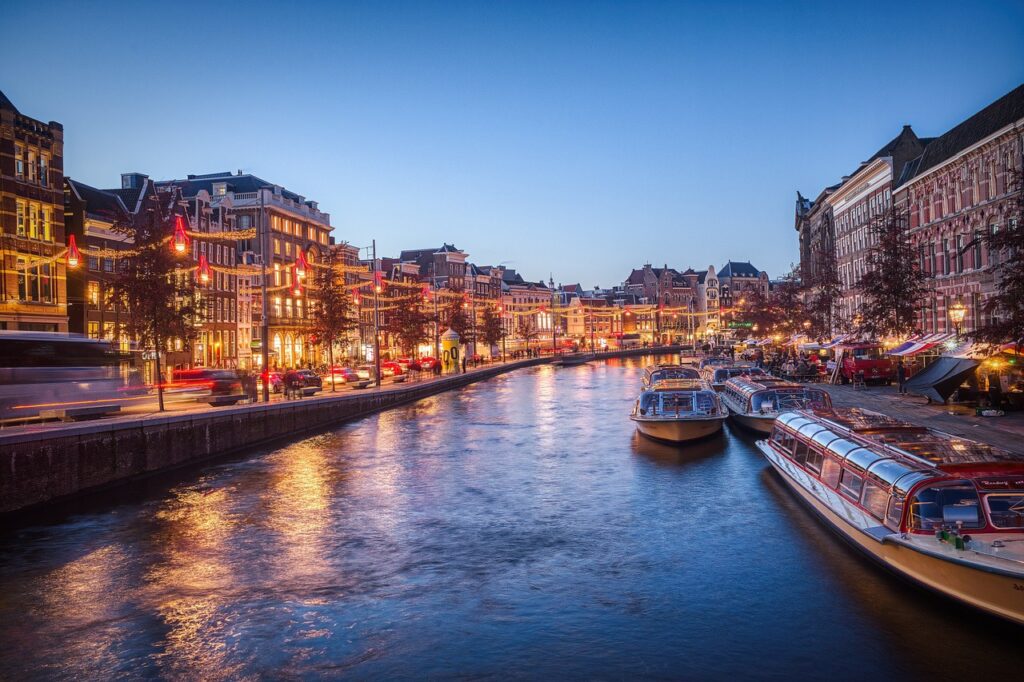
Stroll along the Singel or the Keizersgracht at sunset. Consider a twilight cruise (book ahead) to see the canal belt lit up — average price €18–€25 depending on the company.
Day 2 — Jordaan, Prinsengracht and the Anne Frank House
Morning:
- Begin in the Jordaan. Coffee and a wander through its lanes lined with antique shops and galleries.
- Visit the Anne Frank Huis (Westermarkt 20): book early (time slots required). Duration 1–1.5 hours. Price: €14.
Afternoon:
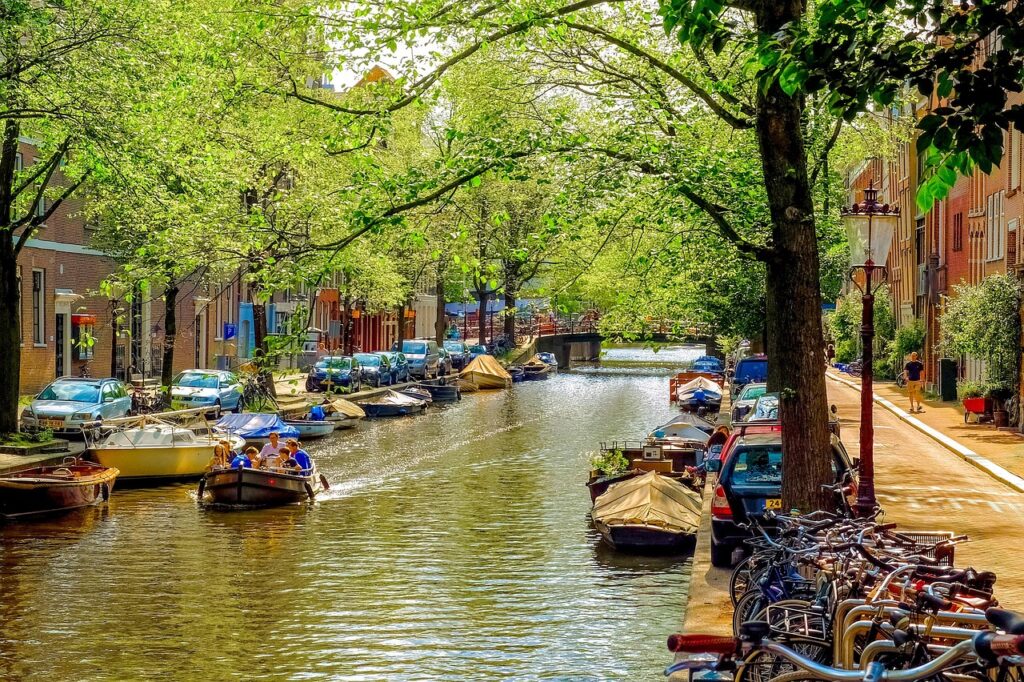
- Lunch in the Jordaan (recommended spots: Winkel 43 for apple pie, Noordermarkt). Then walk down the Prinsengracht to admire houseboats and canal houses.
- Optional visit to the Houseboat Museum (Woonbootmuseum) or to Het Grachtenhuis (Herengracht 386) to deepen your understanding of the canals. Het Grachtenhuis price: €12.
Evening:
Take the Seven Bridges Walk for a classic canal panorama, then dine at a cozy Jordaan restaurant.
Day 3 — Jewish Quarter, Rembrandt and photography
Morning:
- Visit the Rembrandt House Museum (Jodenbreestraat 4). Duration 1–1.5 hours. Price: €15.
- Continue to the Amsterdam Museum (Kalverstraat or Amstel 51 depending on the exhibition) for an overview of the city’s urban history (prices vary, often ~ €15).
Afternoon:
- FOAM (Keizersgracht 609) or Huis Marseille (Keizersgracht 401) for contemporary photography (FOAM prices ~ €12–€14).
- Finish with a one-hour historic canal cruise departing from a quay near Leidseplein or the Rijksmuseum (price €18–€25).
Practical tip: alternate dense museums (Rijksmuseum, Van Gogh) with smaller ones (Rembrandt House, FOAM) to avoid sensory overload.
Walking and boating: combining museums and canals
The canals are meant to be explored at several paces: slowly on foot, by bike or from the water. Here’s how to combine these modes so museum visits fit naturally into scenic routes.
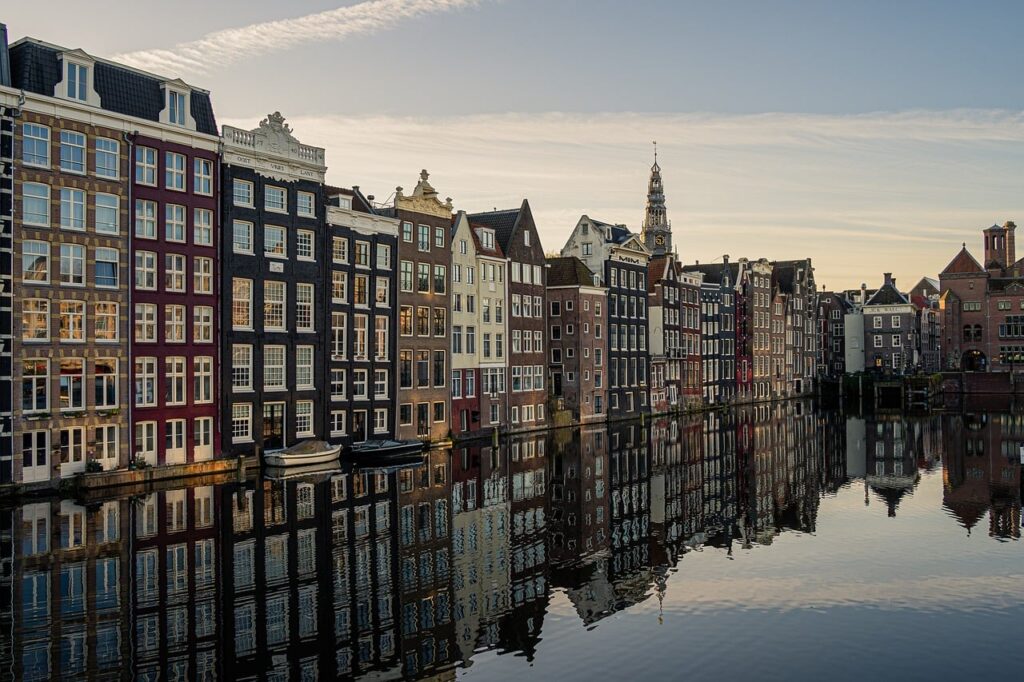
On foot: favor the banks of the Herengracht, Keizersgracht and Prinsengracht. These sections form the main belt. Walking reveals 17th-century facades, inner courtyards and tilted bridges that make great photo vantage points. For a guided walking tour, look for licensed local guides (average price €15–€25 per person for 1.5–2 hours).
Bike rental: Amsterdam is a cycling city. Renting a bike (24h rate around €12–€20) lets you cover more ground between museums and neighborhoods. Observe local rules: bike lanes have priority, use a discreet bell and park properly to avoid fines and inconvenience.
Canal cruises: there are three main options:
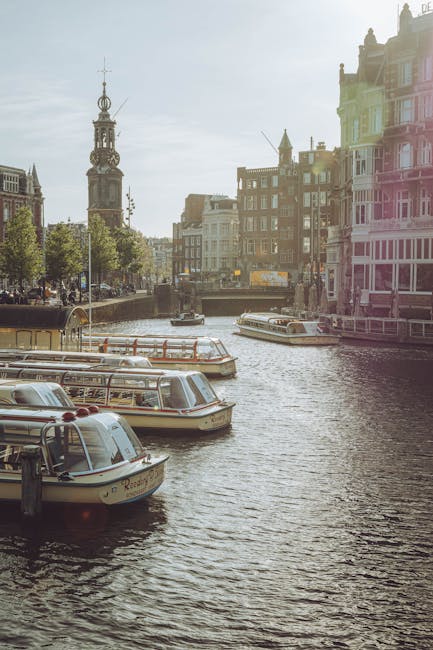
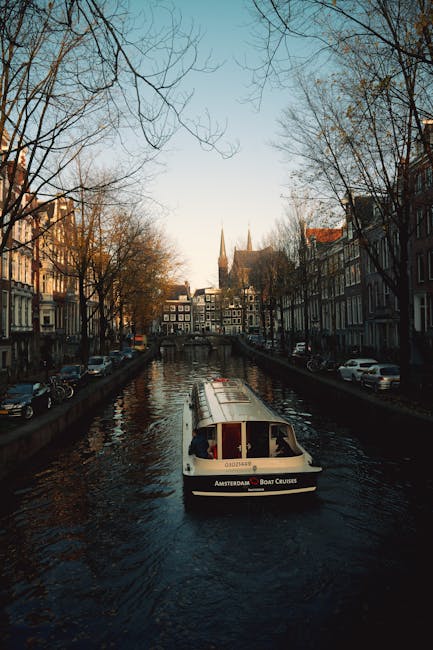
- Commented tourist cruises (companies like Blue Boat Company, Lovers): frequent departures, 60–75 minutes, price €18–€25. Good for an overview with English commentary.
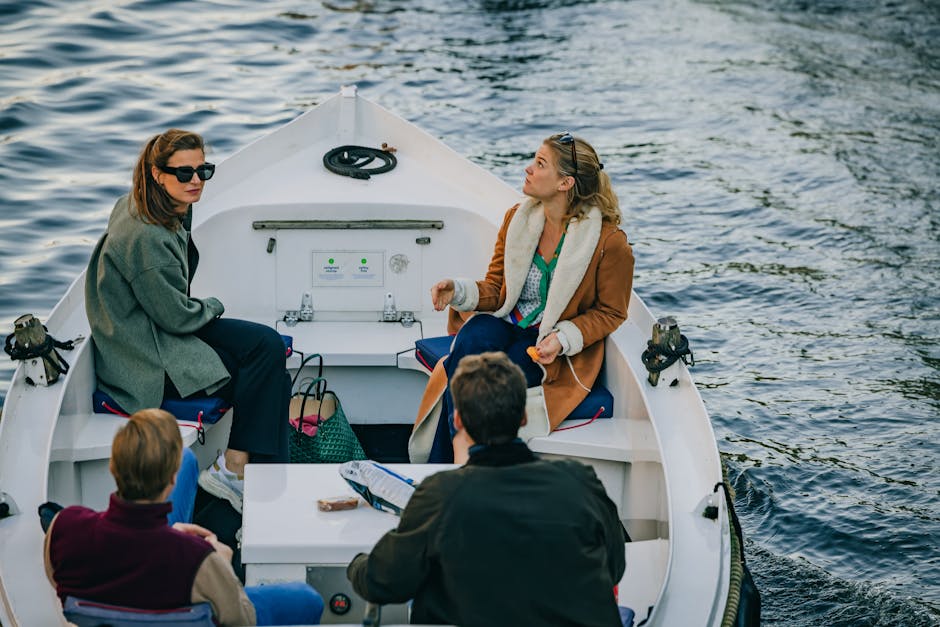
- Private or electric boat rentals (one-hour hire for a small boat): around €50–€120 depending on boat and season. Ideal for groups and personalized photo shoots.
- GVB public ferries (free on some crossings) and hop-on hop-off water services: practical for getting around but less focused on heritage commentary.
Combining museums and a boat: schedule your cruise late afternoon after visiting two museums; the golden light on the façades is perfect for photos and a welcome rest after a day of sightseeing. If you have the Museumkaart or the I Amsterdam City Card, check for discounts with certain cruise companies.
Practical tips: tickets, hours, budget and local hacks
Booking, planning and knowing when to visit are key to enjoying Amsterdam stress-free. Here are concrete tips, average prices and local hacks to optimize your stay.
Tickets and reservations:
- Anne Frank Huis: online reservations essential, sometimes sold out weeks in advance during high season. Ticket ~ €14.
- Van Gogh Museum: timed entry required, ticket ~ €19–€21.
- Rijksmuseum: buy online to avoid the queue, ticket ~ €22.
- Consider the Museumkaart if you stay several days and plan to visit 3–5 museums: it’s an annual pass granting access to many museums (price varies, useful for repeat visits). The I Amsterdam City Card can include transport and a cruise depending on the package.
Opening hours: most museums open between 10:00 and 11:00 and close between 17:00 and 18:00. Major museums sometimes offer late openings (until 21:00) one or two nights a week — ideal if you want to visit after a canal walk.
Daily budget (estimate for an average visitor):
- Museum entries (2–3 museums/day): €40–€60.
- Meals: breakfast €5–€10, lunch €10–€20, dinner €20–€40 depending on the restaurant.
- Transport: GVB 24h ticket ~ €8–€10, bike rental 24h €12–€20, cruise €18–€25.
- Approximate total per day: €70–€140 depending on activities and dining choices.
Local tips:
- Buy timed museum tickets online: it saves time and helps manage your schedule.
- Avoid weekends for very busy sites if you prefer a calmer visit; aim for Tuesday–Thursday mornings for museums.
- Dress in layers for the weather: showers are common and the wind on the canals can be brisk.
- For photographing canal houses, the best light is early morning and late afternoon; the south side of the canal often catches the sun in winter.
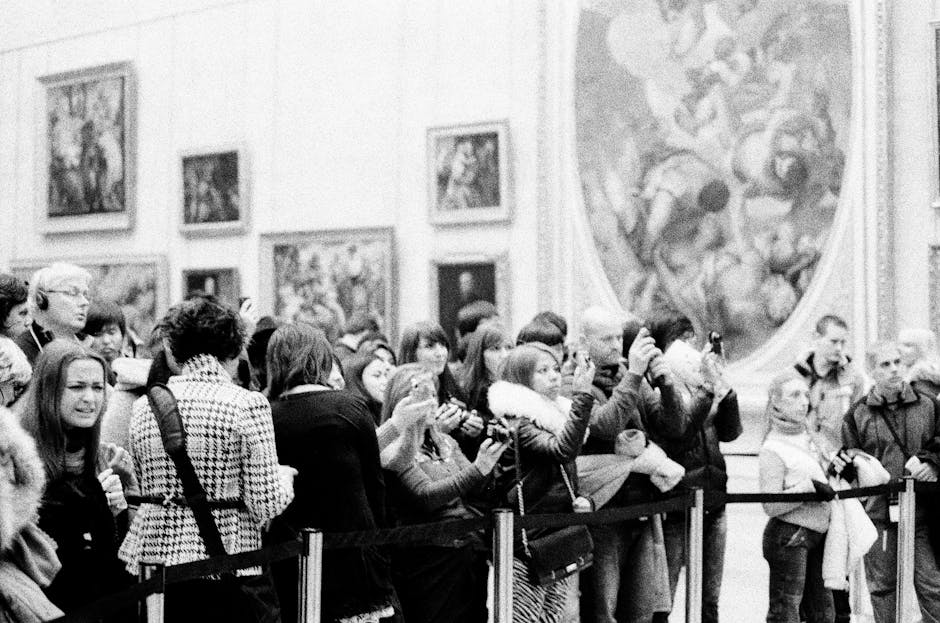
- Respect silence rules in the Anne Frank House and photography restrictions in some museums.
Conclusion — Remembering Amsterdam after the stroll
A visit to Amsterdam built around essential museums and canal routes reveals the city’s twin identity: a vibrant cultural life and a distinctive aquatic urbanism. By combining places like the Rijksmuseum and Van Gogh Museum with more intimate stops — Anne Frank Huis, Rembrandt Huis, Museum Het Grachtenhuis and FOAM — you’ll learn to read Amsterdam through its masterpieces and its everyday scenes. Each museum adds a layer; each bridge or canal house tells a social and economic story. Together they make up a full portrait of the city.
Plan your stay pragmatically: buy tickets online for the highlights, alternate long and short visits to avoid overload, and use the canals as your thread between neighborhoods. Walking offers immediate immersion while cruises provide a panoramic perspective. Bicycles, used carefully, let you cover more ground without losing the canals’ charm. And leave room for the unexpected: a canal-side coffee, a discovered gallery or a temporary show in a small museum can become your most memorable moments.
In short, this discovery stroll is more than a tourist route — it’s a method to feel Amsterdam. Follow the proposed itinerary and adapt the stops to your priorities, and you’ll leave with a deep understanding: of the painters who shaped the Dutch imagination, of moving stories like Anne Frank’s, and of a city that, despite its modernity, keeps its riverine magic intact. Safe travels and happy discoveries along Amsterdam’s canals.