




Introduction — Before you go: practical formalities and overview for visiting Amsterdam in 2026
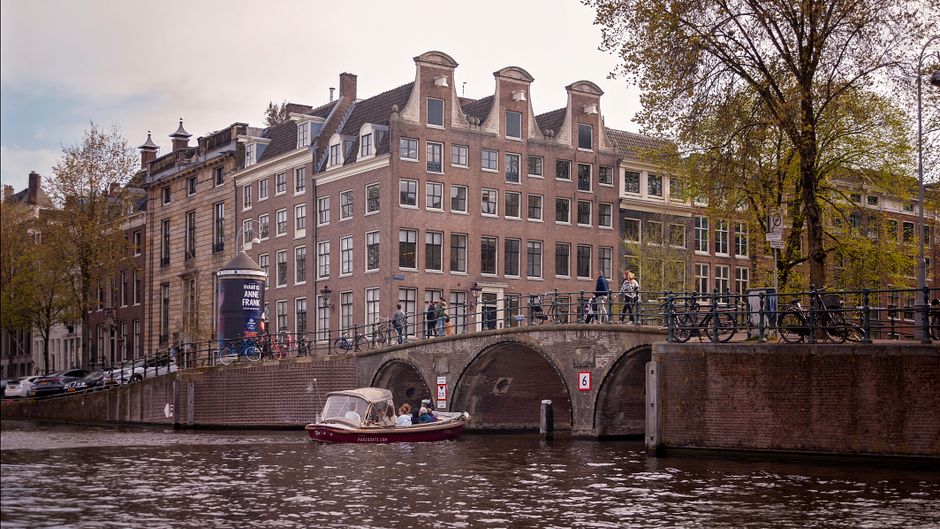
Amsterdam remains one of Europe’s most visited cities: listed canals, world-class museums, historic neighborhoods and a lively cultural scene. In 2026, entry rules, administrative expectations and best practices for enjoying the city have changed somewhat (notably the wider rollout of ETIAS for some visitors, local regulations for coffeeshops, and streamlined procedures at Schiphol Airport). This comprehensive guide focuses on the formalities you need to enter the Netherlands, get around Amsterdam and comply with local law — with exact addresses, usual opening hours, indicative prices and practical tips to avoid surprises.
Before you book, it’s important to know which identity documents are accepted, whether you need a Schengen visa or another permit, how border control works at Schiphol (Amsterdam Airport), and whether any health measures or local restrictions remain in place. We’ll also cover practical aspects of your stay: airport-to-city transport, useful travel insurance, VAT refunds, rules around cannabis and coffeeshops, bike rental, safety and emergency contacts. The goal is to make it clear where to go, when, how much certain services typically cost and which documents to bring.
This guide is aimed at a broad audience: short-stay tourists, European travelers who don’t need special formalities, non-EU visitors (visa/ETIAS), business travelers and families. I provide full addresses for main administrative and tourist sites, generally stable opening hours (but check national holidays and local events), and price ranges in euros based on public rates and common practices in 2024–2026. You’ll also find local recommendations — how to take the tram, where to park a bike, how to avoid pickpockets in tourist areas — and reminders about respecting Dutch rules.

1) Entering the Netherlands: visas, ETIAS, ID documents and border checks
If you plan to visit Amsterdam in 2026, the first step is to check your entry status. The Netherlands is part of the Schengen Area: for short tourist stays the general rule is to respect the 90 days maximum within any 180-day period for travelers exempt from a visa. In 2026, several specific points are worth knowing:
- ETIAS: since 2024–2025, the ETIAS (European Travel Information and Authorisation System) is operational and requires an online pre-authorisation for nationals of visa-exempt countries (for example: United States, Canada, Australia, Japan). You must apply for ETIAS before departure through the official site and it usually costs around €7 (indicative — check the exact fee when you apply). The authorisation is linked to your passport and valid for multiple entries during its validity period.
- Schengen visa (type C): if you are from a country that is not visa-exempt, you must obtain a short-stay Schengen visa before traveling. For tourist stays, the application is made via the Dutch consulate or local visa application center. Standard Schengen visa fees are generally €80 for adults (typical 2024–2026 rate), €40 for children aged 6–12; exemptions or reduced fees may apply in some cases.
- Long-stay visa / MVV: to settle, work or study you need an entry procedure called an MVV or residence permit, handled by the Immigratie- en Naturalisatiedienst (IND). Procedures vary by purpose (work, study, family reunification) and may require certificates, an employment contract and proof of housing.
Documents to carry and present at border control:
- Valid passport (recommended: valid at least 3 months after your planned exit from the Schengen Area and issued within the last 10 years).
- ETIAS authorisation (if applicable) printed or accessible on your smartphone.
- Schengen visa if required (sticker in passport or electronic authorisation).
- Proof of accommodation: hotel booking, rental address (for example Hotel Estherea, Singel 303-309, 1012 WJ Amsterdam) or Airbnb reservation.
- Proof of sufficient financial means (bank statement, credit cards): border officers may ask for an estimate of funds for your stay.
- Return ticket or proof of onward travel.
Arrival checks (Schiphol): Amsterdam Schiphol (address: Evert van de Beekstraat 202, 1118 CP Schiphol) is the main entry point. Immigration officers may ask to see your documents and your ETIAS/visa. Queues for non-EU visitors are usually longer; allow at least 45–90 minutes during major international arrivals. If you arrive by train from another Schengen country, there is usually no internal border control, but keep your documents on you.
2) At the airport and getting into the city: formalities, transport and typical costs
Amsterdam Schiphol Airport (Evert van de Beekstraat 202, 1118 CP Schiphol) is a modern hub. After passport control and baggage claim you may sometimes pass customs (random checks on goods and cash). Here are practical details and usual prices for reaching central Amsterdam:
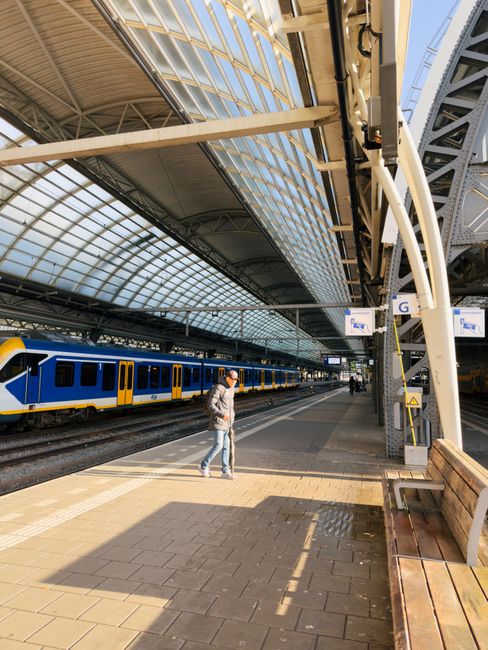
- Train (NS): Intercity trains depart directly from the station under the terminal. Main destination: Amsterdam Centraal. Duration: about 15–20 minutes. Indicative fare: €5.50–€6.50 per trip (buy at machines or via the NS app). Schedule: regular service 24/7 with frequent trains (every 10–15 minutes in daytime, less frequent at night).
- Bus: regional buses and lines serving neighborhoods and hotels. Operators: for example Connexxion or GVB. Fare: variable, often between €3 and €6 depending on destination and use of an OV-chipkaart.
- Taxi: official taxi rank in front of the terminal. Fare to central Amsterdam: typically €40–€60, depending on traffic and destination. Use official taxis (roof sign “Taxi” and driver badge).
- Private shuttles / transfers: door-to-door services by booking; prices vary (often €25–€60 per person depending on shared rides and distance).
Customs formalities at Schiphol:
- Cash declaration: if you carry more than €10,000 (or equivalent) you must declare it to customs. Customs office and information: Schiphol, customs zone — follow the signs “Customs / Douane.”
- Prohibited / restricted items: weapons, certain animal products, protected plants. Check the official Dutch Customs website for details.
- Tax-free purchases checks: if eligible for a VAT refund, follow the refund procedure (see VAT section). On departure you must have your tax-free forms validated by a customs officer at the airport if requested.
Practical tips:
- Activate roaming or buy a local eSIM at the airport if you need data (operators available on site). SIM kiosks and vending machines are open at frequent arrival times.
- Get an OV-chipkaart (rechargeable) if you plan to use trams/buses/metro in Amsterdam. Available at NS or GVB machines.
- Keep your documents (passport, ETIAS/visa, tickets) handy until you are officially out of the airport.
3) Local rules to know: coffeeshops, alcohol, cycling, safety and fines
Amsterdam has a liberal reputation, but that doesn’t mean there are no rules. Following local laws helps you avoid fines, confiscations or bad experiences. Here are the key rules in 2026 for visitors:
- Coffeeshops (buying and consuming cannabis): the sale of cannabis is tolerated in regulated coffeeshops. Essential condition: be at least 18 years old (some cities require 21 for new customers, but Amsterdam generally maintains an 18+ entry policy at most coffeeshops). Official ID (passport or national ID card) is required. Maximum purchase: 5 grams per transaction per person. Example address: Green House Coffeeshop, Oudezijds Voorburgwal 191, 1012 EX Amsterdam. Opening hours: often 10:00–01:00, varying by venue. Indicative prices: joints or products €6–€20 (depending on product).
- Alcohol: retail alcohol sales are limited to those aged 18 and over. Drinking alcohol in the street can be banned in designated zones (check local signage). Bars and cafés typically stay open until 01:00–03:00 or later depending on their license.
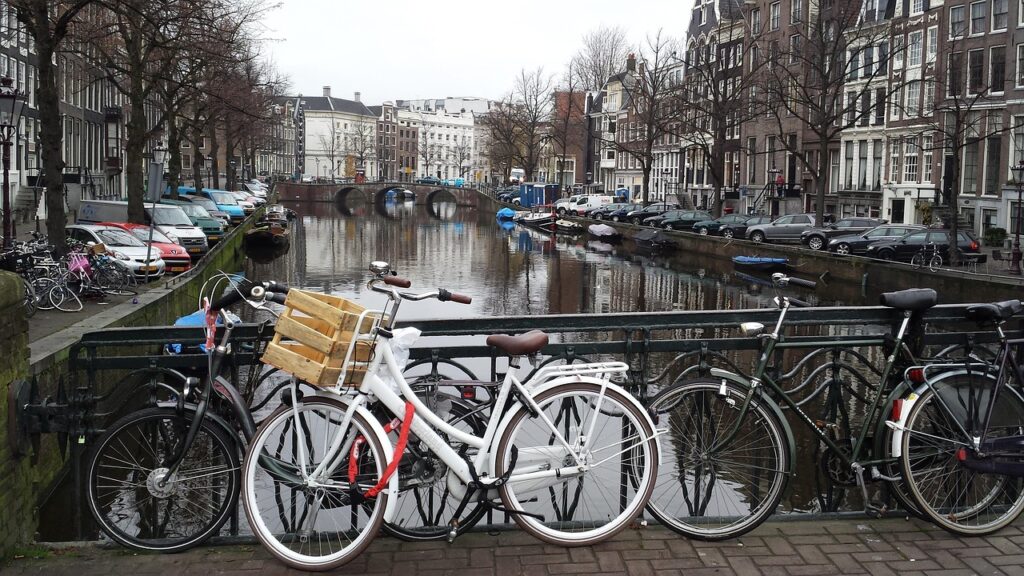
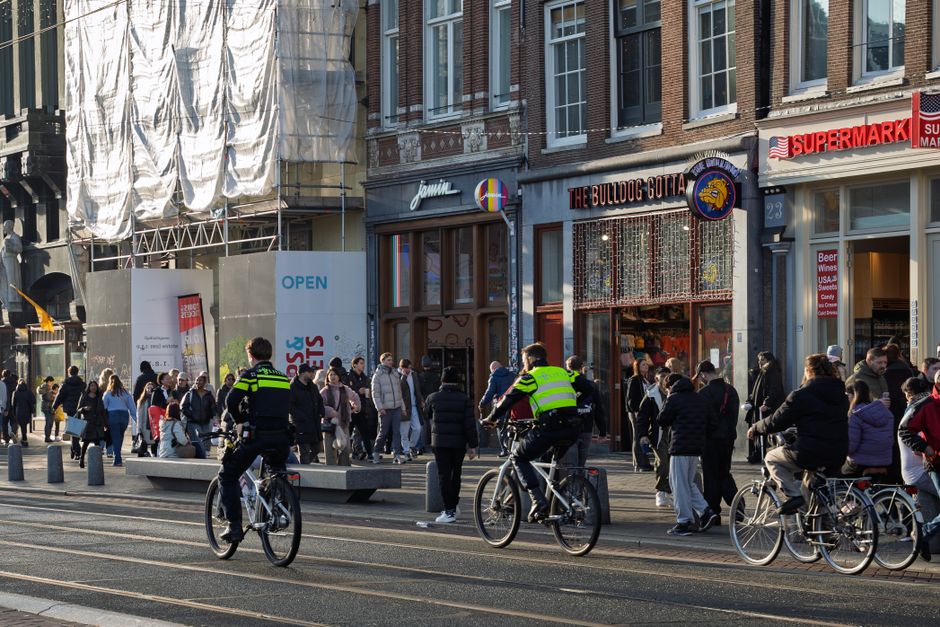
- Bicycles: Amsterdam is a cycling city but traffic rules are strict. Rentals: many shops near the central station — for example MacBike, Stationsplein 15A, 1012 AB Amsterdam (open 09:00–18:00). Indicative prices: standard bike rental €10–€20 per day; electric bikes €25–€45 per day. Rules: use bike lanes, obey traffic lights and one-way signs, use lights at night (fine for biking without lights: approx. €50–€60 depending on circumstances). Parking: paid bike storage at the station; improperly parked bikes may be removed (recovery fees around €30–€60).
- Safety and common fines: pickpocketing occurs in tourist areas (Dam Square, areas around Amsterdam Centraal, the flower market) — stay vigilant. Common fines include parking on bike lanes, cycling while intoxicated (authorities may fine and confiscate), and drinking in prohibited areas (€95–€140 depending on the offence). If stopped by officials, cooperate and show ID if requested.
Local tips:
- If you rent a bike, take a photo and note the brand/serial; get a solid lock (often available from rental shops). Beware of offers that are suspiciously cheap — they can be tied to stolen bikes.
- When smoking inside a coffeeshop, respect indoor rules and ask in advance about policies (some places limit vaporizers or sharing among groups).
- For serious offences or assaults, dial 112 for emergencies. For non-urgent police matters call 0900-8844 (local rate).
4) Museums, attractions and tickets: admission, opening hours and tips to avoid queues
Amsterdam is rich in major museums and attractions that often require advance booking, especially in high season. Here are must-see places with addresses, usual hours and indicative prices (verify before you go):
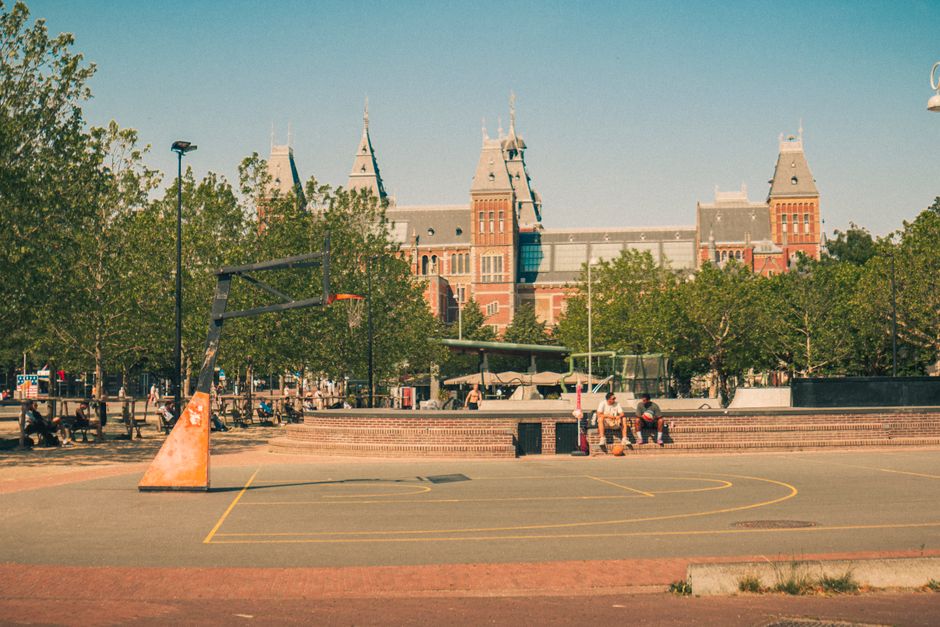
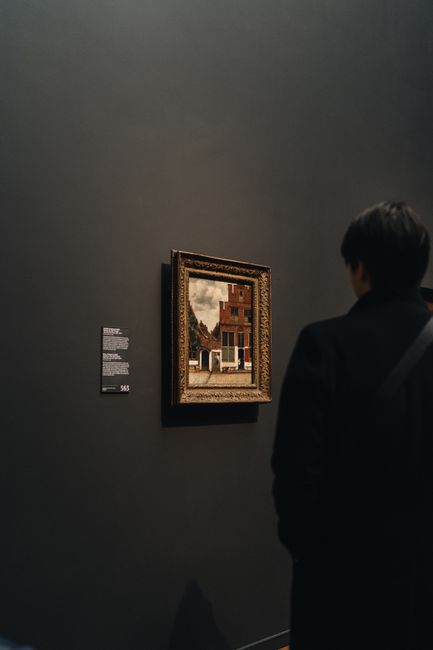
- Rijksmuseum — Address: Museumstraat 1, 1071 XX Amsterdam. Typical hours: 09:00–17:00 (open daily). Adult ticket: €22 (standard entry; discounts for youth and students). Buy online to secure a timed entry. Description: the Dutch national collection, works by Rembrandt and Vermeer; immersive rooms and temporary exhibitions.
- Van Gogh Museum — Address: Museumplein 6, 1071 DJ Amsterdam. Typical hours: 09:00–18:00 (some evenings until 21:00 for special events). Adult ticket: €22 (indicative 2026 price). Timed entry reservation is mandatory. Presentation: the world’s largest Van Gogh collection, arranged chronologically with themed exhibitions.
- Anne Frank House — Address: Prinsengracht 263-267, 1016 GV Amsterdam. Typical hours: 09:00–19:00 (seasonal variations). Adult ticket: around €12–€14 (tickets only sold online, with fixed entry times). On-site queues can be long; book weeks in advance in high season.
- Heineken Experience — Address: Stadhouderskade 78, 1072 AE Amsterdam. Hours: 10:30–19:30 (varies). Price: €22–€25 depending on options (basic version usually includes a tasting).
- Rembrandt House Museum — Jodenbreestraat 4, 1011 NK Amsterdam. Hours: often 10:00–17:00. Ticket: about €14–€16.
Practical tips for tickets and visits:
- Book online in advance: most museums now require a timed reservation even if you already have a ticket, to control visitor numbers.
- Tourist passes: the I amsterdam City Card (if available in 2026 — check current availability) bundles free GVB public transport, free entry to select museums and discounts. Price depends on duration (e.g.: 24/48/72h); typically €65–€120 for 48–72 hours depending on inclusions.
- Combined tickets and audio guides: often a time-saver and enhance understanding — book these options when available.
5) Money, insurance, VAT refunds and useful contacts
Managing money and insurance is essential for a stress-free trip. Here is practical information and addresses for key services:
- Currency and payments: the currency is the euro (€). Bank cards (Visa, Mastercard, Maestro) are widely accepted. Some small shops or markets may prefer cash.
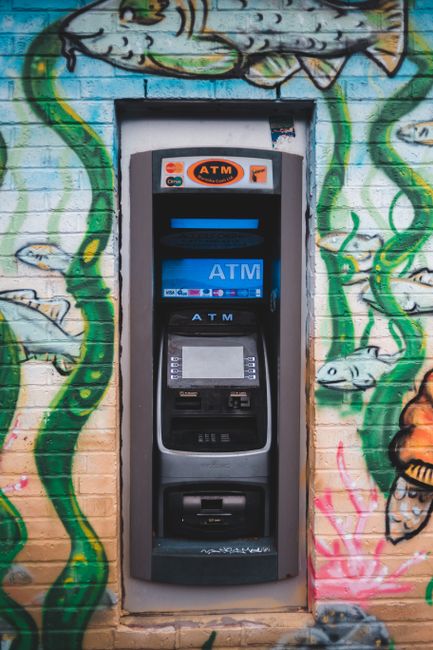
- ATMs: plentiful in the city center and at Central Station. Example location: Stationsplein 10, 1012 AB Amsterdam (station area).
- Travel insurance: strongly recommended — covers medical costs, repatriation, cancellation and baggage loss. Check that your policy covers emergency care in the EU and activities you plan to do (cycling, water sports).
- VAT refund (tax-free): non-EU visitors can request a VAT refund on purchases made in the EU under certain conditions. Typical conditions: minimum purchase amount (often ~€50.01) in the same shop, request a tax-free form at the time of purchase, and have the form validated by customs when leaving the EU (Schiphol). Private refund companies charge processing fees: usually €10–€25 depending on provider; the refunded amount depends on the VAT rate (commonly 21% on most goods) minus fees.
- Useful official offices and contacts:
- Immigratie- en Naturalisatiedienst (IND): for questions on residence permits and MVV. Address (national information office): check the official IND website for the appropriate office; appointments are often required.
- Customs (Belastingdienst / Customs): offices at Schiphol for validating tax-free forms. General airport address: Evert van de Beekstraat 202, 1118 CP Schiphol.
- Local police (non-emergencies): 0900-8844. Emergencies: 112.
Financial tips:
- Carry a main bank card and a backup card in case one is declined or blocked. Inform your bank of your travel plans to avoid automatic blocks.
- Keep all your tax-free receipts to present to customs; arrive at the airport with enough time (at least 2–3 hours) for the procedures and validation during busy periods.
Emergency contacts and recommended medical centers
If you have a medical issue, note a few useful addresses and contacts:
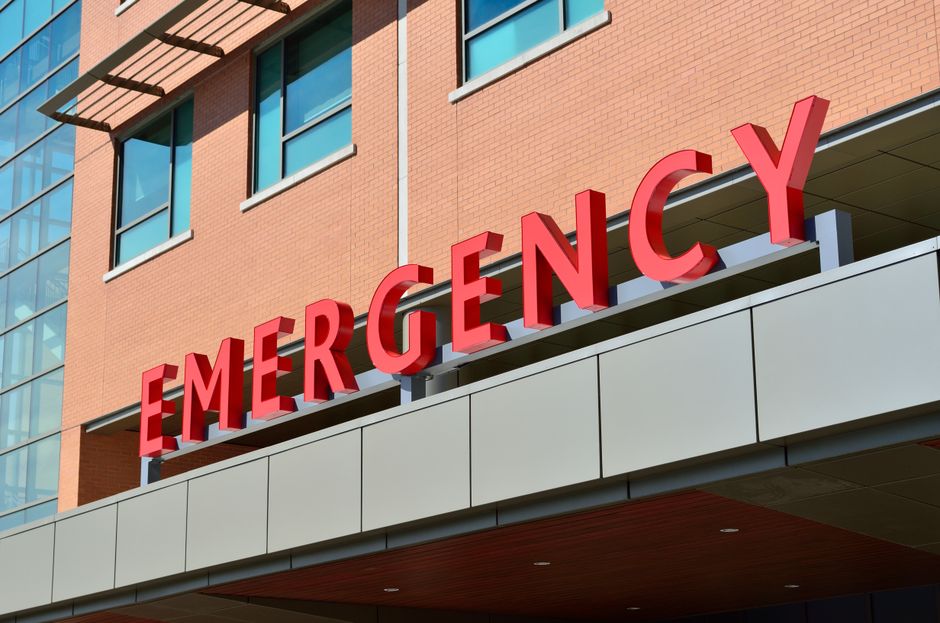
- Hospitals: Amsterdam UMC (locatie VUmc), De Boelelaan 1117, 1081 HV Amsterdam. Emergency care 24/7. Phone: check the hospital’s official website for current numbers.
- Private clinic / walk-in care: InmediCare or local clinics open during the day; ask your hotel for the nearest out-of-hours clinic.
- Embassy / consulate: if you lose your passport or have a consular problem, contact your country’s embassy in The Hague (most resident embassies are in The Hague; check your embassy’s website for address and opening hours).
Conclusion — Preparing your trip to Amsterdam in 2026: final checklist and on-the-ground tips
Visiting Amsterdam in 2026 requires some administrative preparation but remains accessible to most travelers. Before you go, check whether you need a Schengen visa, an ETIAS authorisation (if you are from a visa-exempt country), and make sure you have a valid passport and proof of accommodation/return travel. On arrival, Schiphol offers many transport options to the city — train, bus, taxi — but always allow time for checks and customs.
While there, follow local rules: be 18+ to enter most coffeeshops, 5 gram purchase limit for cannabis, respect bike lanes and parking rules, and stay alert for pickpockets in tourist hotspots. Book museum tickets (Rijksmuseum, Van Gogh Museum, Anne Frank House) in advance to secure your timeslot and save time. For major purchases, learn the tax-free refund procedure and allow time at the airport for customs validation when departing.
Finally, a few practical tips for a great trip: take comprehensive travel insurance, buy or activate an OV-chipkaart for public transport if you’ll stay several days, rent a bike from a reputable shop (check the condition and insurance), and keep both digital and paper copies of your travel documents. In an emergency dial 112; for non-urgent police questions call 0900-8844. Amsterdam is welcoming, culturally rich and easy to explore if you follow the formalities and local laws.
Have a great trip and enjoy Amsterdam’s canals, museums, cafés and lanes — while respecting the city and its residents!