


Introduction — Getting around Amsterdam: by bike, tram, boat and with the OV-chipkaart
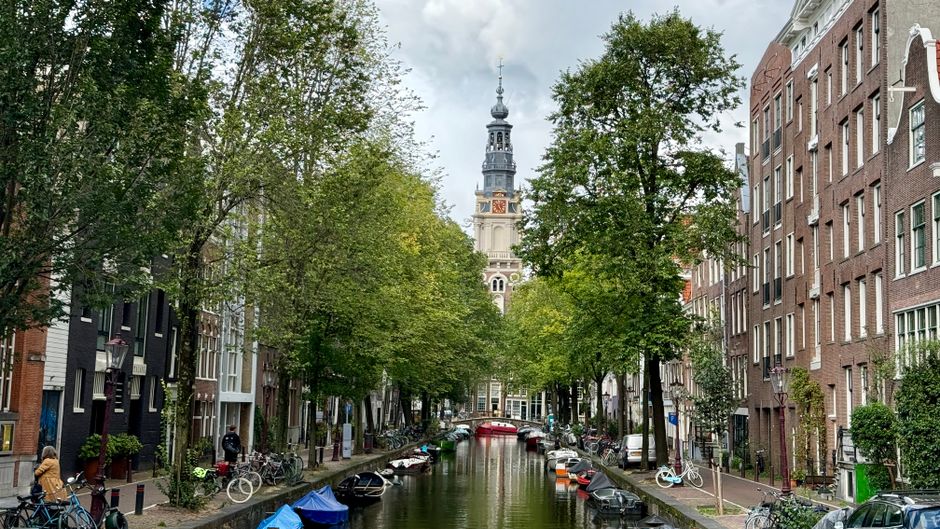
Amsterdam is a city meant to be discovered first on two wheels, then to the steady rhythm of rails and canals. Its narrow streets, mirror-like waterways and bustling squares shape a variety of ways to get around: the ubiquitous bike; the punctual tram; the scenic boat; and the OV-chipkaart, the digital key to the public transport network. This complete guide aims to give you practical, detailed info so you can move around the Dutch capital efficiently and safely, with exact addresses, typical schedules, indicative prices in euros and insider tips.
Biking in Amsterdam isn’t a mere tourist activity: it’s a way of life. You’ll see families on bikes, rushed couriers, small cargo bikes and wide-eyed tourists. Knowing how to rent a reliable bike, understanding the traffic rules and avoiding common mistakes (like overtaking a tram or riding on a pedestrian path) will help you experience the city authentically. We’ll list trusted rental shops, hourly and daily rates, and neighborhoods that are especially bike-friendly.
The tram and bus network operated by GVB (Gemeentelijk Vervoerbedrijf) is dense and covers the centre and outer districts well. Using the OV-chipkaart (the national smart card) is essential if you take multiple trips: it replaces most paper tickets and allows direct payment by deducting credit or via temporary subscriptions. We’ll explain how to buy the card, the initial cost, how to top it up and how to use it correctly (check-in/check-out) to avoid fines.
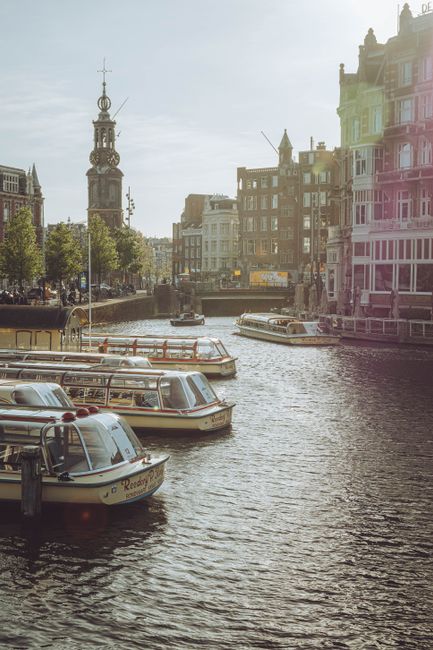
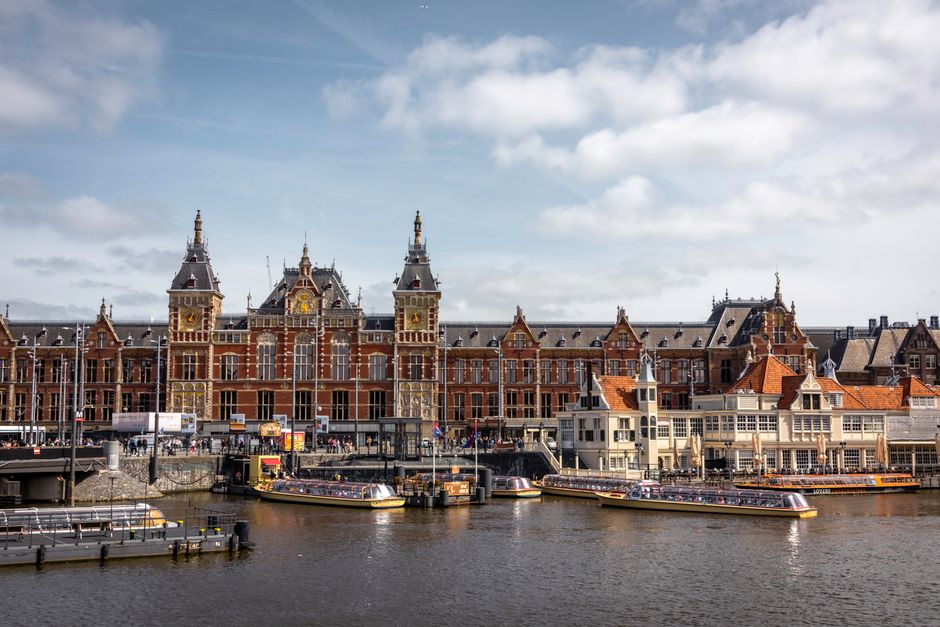
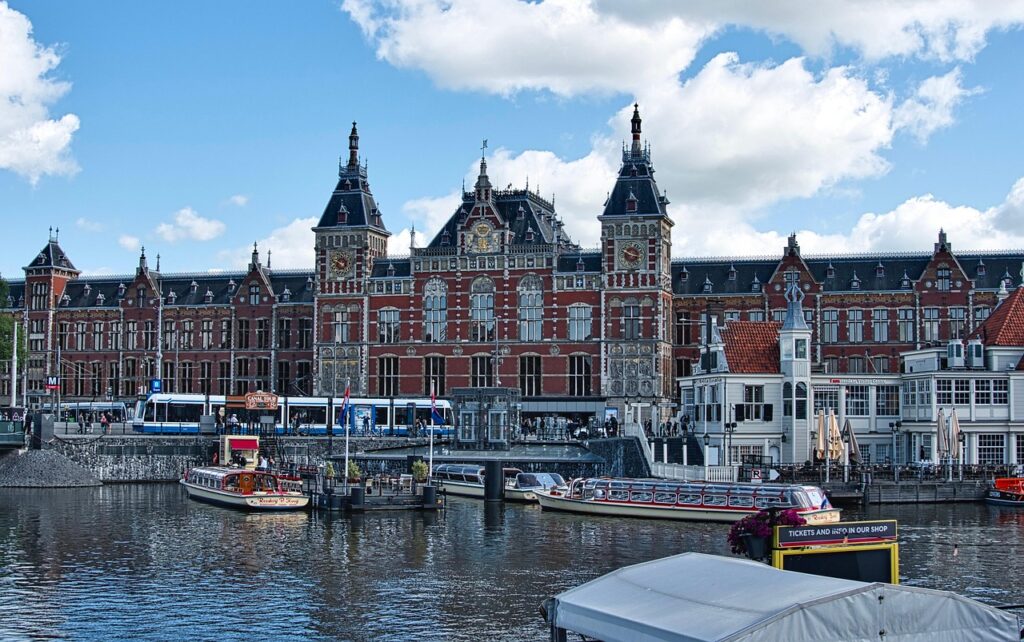
Finally, Amsterdam is a city of water: the canals provide regular lines and many tourist cruises. Some local ferry connections are free (municipal transfers) while guided canal cruises are paid and usually depart near Amsterdam Centraal and along the Damrak. We’ll point out boarding spots, typical departure times and price ranges for classic cruises and ferries serving the north bank (NDSM).
This guide is for both short-term visitors and those planning a longer stay. It gives concrete information: full place names, exact addresses, prices in euros (listed as useful estimates for planning), standard hours and practical tips. By the end you’ll have a clear understanding of the best ways to get around Amsterdam, how to save smartly, how to stay safe and which services to prioritise depending on your pace—whether it’s a whirlwind weekend, a work week or an extended stay exploring museums, canals and markets.
1) Biking in Amsterdam: rentals, rules, tips and addresses
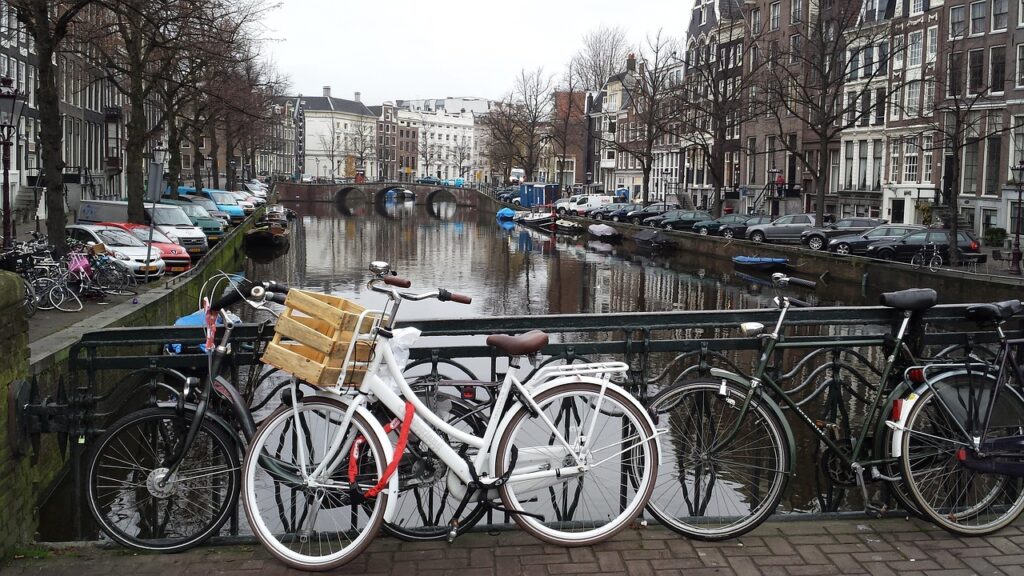
Cycling is often the fastest and most pleasant way to get around Amsterdam. Bike lanes are everywhere and clearly marked, but they’re also very busy and regulated. Adopting the right habits (keep to the right, signal turns with your hand, stop at lights) is essential. For visitors, most rentals are available by the hour, by the day or for several days, with a range of models: traditional Dutch city bikes, e-bikes and cargo bikes for families.
Recommended rental addresses:
- MacBike Amsterdam Centrum — Stationsplein 6, 1012 AB Amsterdam. Opening hours: open daily 09:00–18:00. Indicative prices: 1 hour €7, 3 hours €12, 24 hours €16–€20; e-bike €35–€50 per day (season dependent). Required documents: ID and a credit/debit card as a security deposit.
- Rent-A-Bike Amsterdam (near Leidseplein) — Leidseplein 26, 1017 PT Amsterdam. Hours: 09:00–19:00. Indicative prices: 4 hours €14, 24 hours €18; optional theft insurance +€5 per day.
- Swapfiets Amsterdam — Singel 540, 1017 AZ Amsterdam (shop and service). Monthly subscription for extended stays: around €18–€22/month with quick repairs included.
Practical tips:
- Stick with official rental shops that provide a solid lock (U-lock), a helmet if requested and a basket if needed. Bike thefts or irregular detainment can happen if you leave a bike unsecured.
- Learn the pavement markings: bike lanes are usually red/dark red, pedestrian paths are grey. Trams have their own rails—avoid riding between rails when they’re wet or slippery.
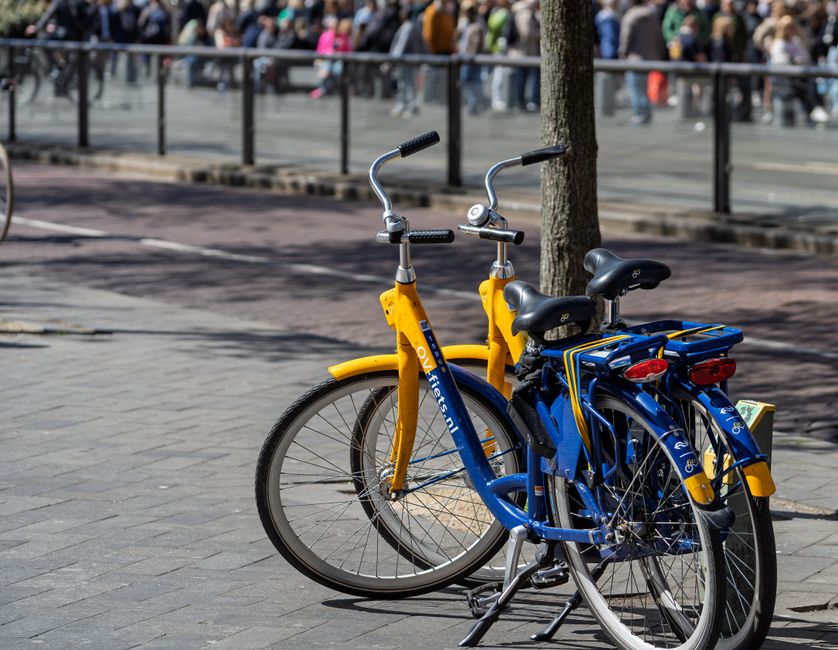
- Don’t park your bike anywhere: near major hubs like Amsterdam Centraal (Stationsplein 1, 1012 AB) long-term parking zones are paid and abandoned bikes are removed by the municipality. Official bike parking facilities—like the huge OV-fiets/parking at Amsterdam Centraal (Stationsplein 11)—offer security for a few euros per day.
- If you rent an e-bike, check the battery range and how to recharge; Amsterdam is mostly flat, but battery life varies by assistance level.
2) Tram and bus (GVB): network, schedules, tickets and key lines
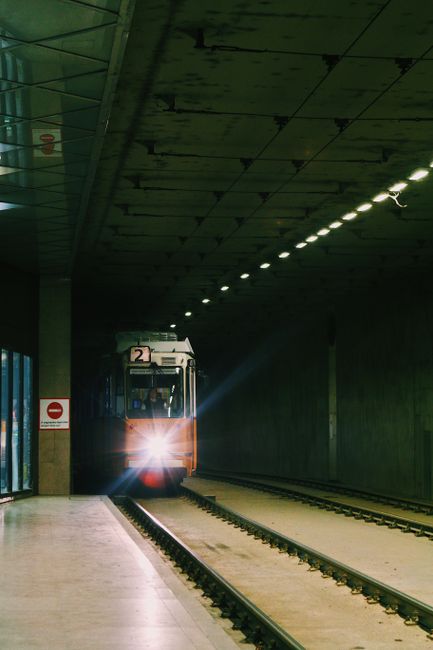
The municipal operator GVB (Gemeentelijk Vervoerbedrijf) is at the heart of Amsterdam’s public transport. It includes trams, buses and light metro, but in the historic centre you’ll mostly use trams and buses. Trams run frequently during the day (often every 5–12 minutes) and serve major tourist spots and hubs (Museumplein, Leidseplein, Rijksmuseum, Rembrandtplein, Centraal Station).
Key addresses and pickup points:
- Amsterdam Centraal Station — Stationsplein 1, 1012 AB Amsterdam. The central hub for trams and buses. Connection to the free ferries to the north bank (NDSM).
- Leidseplein tram stop — Leidseplein, 1017 PT Amsterdam. Stops for lines 1, 2 and 5 depending on direction.
- Rembrandtplein — Rembrandtplein, 1017 CT Amsterdam. Served by several bus and tram lines nearby.
Hours and frequencies (typical indications):
- Trams: generally run between 06:00 and 00:30 (times vary by line). Frequency: 5–12 minutes during the day, 10–20 minutes early morning and late evening. At night, night services (nachtnet) run with special buses roughly every 30–60 minutes.
- Buses: run continuously but less frequently than trams in the centre; useful for connections to outer districts and the airport (shuttles to Schiphol or lines 397/397x/398 depending on season).
Tickets and fares (practical estimates):
- GVB 1-hour ticket (paper or via OV-chipkaart top-up): around €3.50 — allows unlimited transfers for 1 hour after validation.
- GVB day passes: 24 hours ≈ €8.50; 48 hours ≈ €14.00; 72 hours ≈ €19.00 (indicative fares; buy at machines in stations or online via the GVB shop).
- Anonymous OV-chipkaart: initial purchase ≈ €7.50 (new card); top up as needed (recommended €20–€50). Personal or anonymous cards work for trams, buses, metro and GVB ferries.
Usage tips:
ul>
3) Boats and canals: free ferries, cruises and water transport
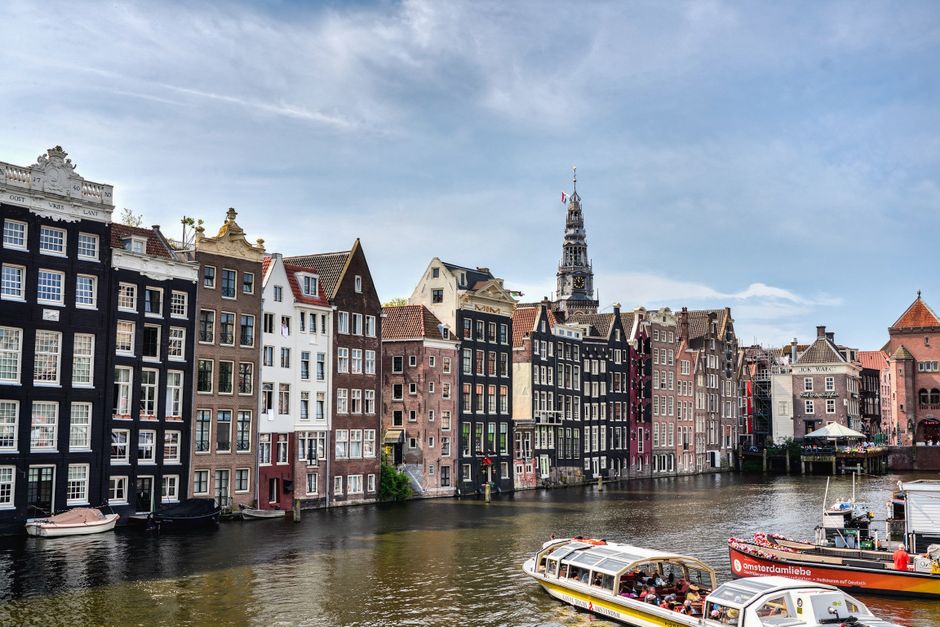
Amsterdam is also experienced from the water. The UNESCO-listed canals shape the city and the tourist experience. There are two main types of water transport to know: municipal ferries (often free and run by GVB) and paid tourist cruises that include commentary and stops near museums and the central station.
Free ferries and useful lines:
- GVB Ferry 901 (Amsterdam Centraal ↔ NDSM Werf) — boarding at Amsterdam Centraal, IJ side, Ferry Quay (Stationsplein side). Hours: regular daytime service with frequencies every 10–20 minutes. Free for passengers; OV-chipkaart validation may be required at certain times (check before boarding).
- GVB Ferries to Buiksloterweg — depart from the north side of Amsterdam Centraal; useful for visiting the NDSM neighbourhood, its restaurants and art workshops.
Tourist cruises (boarding addresses, hours and prices):
- Blue Boat Company — Stadhouderskade 78 (pier near Rijksmuseum), 1071 ZD Amsterdam. Hours: departures every 30–60 minutes from 10:00 to 18:00 in high season. Prices: classic 75–90 minute cruise ≈ €20–€25 per adult; romantic or dinner cruises cost more (€35–€60).
- Lovers Canal Cruises — Prins Hendrikkade 25, 1012 TM Amsterdam (near Centraal). Hours: frequent departures 09:30–20:00 depending on season. Indicative fares: 60–75 minutes €18–€22 for a guided cruise in multiple languages.
Visiting tips and logistics:
- Book online in high season (April–September) to avoid queues at the Damrak piers and near the Rijksmuseum.
- Some cruises offer audio guides in French, English, Dutch, Spanish, German and Italian; check availability when you buy your ticket.
- For a more local feel, choose smaller operators offering themed tours (architecture, food) that board from quieter piers like those in the Jordaan or Oosterdok.
4) OV-chipkaart: how to buy, top up and use it properly
The OV-chipkaart is a national smart card used on most public transport networks in the Netherlands. There are several variants: the anonymous card (convenient for visitors), the personal card (with subscriptions and refund options) and disposable single-use tickets printed for one journey. Here’s how to buy, load and use an OV-chipkaart during your stay in Amsterdam.
Where to buy:
- Machines in all major stations (e.g. Amsterdam Centraal — Stationsplein 1, 1012 AB), metro stations and some kiosks (GVB offices at Centraal, NS ticket points and tourist shops).
- Initial cost: anonymous OV-chipkaart ≈ €7.50 (indicative) paid once when you buy it. You’ll then top up credit as needed (recommended €20–€50 depending on length of stay).
How to use it:
- Check-in: tap the card on the yellow/green reader when boarding a tram/bus or entering a metro station. The reader shows your balance and check-in status.
- Check-out: tap out when you leave — important so you’re not charged a maximum fare. If you forget, the system will charge an estimated (usually higher) amount.
- Top-up: do this at machines (languages available: Dutch, English, German, sometimes French) or at certain sales points. Payment by international card and cash depends on the machine.
Fares, validation and penalties:
- Indicative GVB short trip fare ≈ €3.50 per trip if you pay per journey and follow the check-in/out rules. GVB day passes (24–72 h) often offer better value for multiple trips.
- Inspections are common: controllers check cards; if you haven’t validated you risk an on-the-spot fine (usually >€50 depending on severity).
- If you leave the Netherlands you can keep an anonymous card as a souvenir; leftover balance is typically not refunded at counters unless you have a personal card and meet conditions.
Practical tips:
- For a short stay of 1–3 days with frequent trips, calculate whether a GVB pass is more cost-effective than topping up an OV-chipkaart per journey.
- GVB ferries to the north bank (NDSM) are often free, but it’s useful to have the card in case of spot checks; when free, tapping is not always required.
- Keep a receipt or screenshot of your top-up on your phone or printed to prove date/time of purchase if you have an issue.
5) Local tips, safety and money-saving hacks
Getting around Amsterdam is generally safe and efficient, but a few precautions and hacks can make your journeys more pleasant, faster and cheaper. Here are real local tips, tested by travellers and residents, to help you make the most of your visit.
Safety and behaviour:
- Respect bike lanes: local cyclists move quickly and expect you to keep to your lane if you’re walking or stopping. If you walk along the canals, don’t block bike lanes.
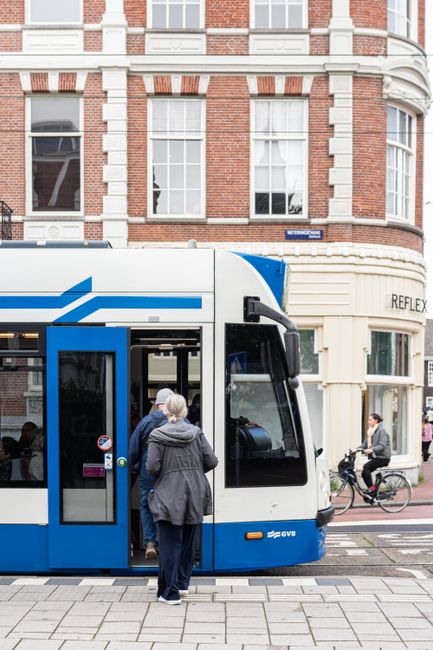
- Watch out for trams: tracks can be slippery, and trams have the right of way. Don’t cross in front of an approaching tram and stay alert at intersections.
- Keep an eye on your belongings in tourist areas (Dam Square, Centraal, Jordaan): pickpockets operate during peak hours and on crowded transport.
Money-saving tips:
- Use GVB passes if you plan more than 3–4 trips per day; they quickly become cheaper than single fares.
- For a long stay, consider Swapfiets or other subscription bike services for a reliable bike and included maintenance, which often costs less than daily rentals over several weeks.
- Book cruises and tours online ahead of time to get discounts and guaranteed time slots, especially during peak tourist months (May–Sept and holiday weekends).
Practical recommendations:
- Useful apps: download the GVB app for timetables and live maps, Google Maps or 9292.nl to plan multi-modal trips (tram, bus, ferries, train).
- Plan travel outside rush hours (07:30–09:30 and 16:30–18:30) if you want to avoid crowds on trams and around Amsterdam Centraal.
- Enjoy walking along quieter canal streets: secondary canals like Egelantiersgracht and Brouwersgracht offer beautiful views without the crowds of Herengracht or Prinsengracht.
Conclusion — Summary and final recommendations for getting around Amsterdam
Getting around Amsterdam blends the charm of Dutch cycling, the reliability of GVB trams, the poetry of the canals and the convenience of the OV-chipkaart. Each mode has its advantages: the bike for freedom and speed in the city centre; the tram for dependability and access to tourist sites; the boat for a unique viewpoint; and the OV-chipkaart to centralise payments and simplify connections. By planning your journeys, following local rules and choosing the right services (official rental shops, GVB passes or pre-booked cruises), you’ll reduce stress and fully enjoy the Amsterdam experience.
Key takeaways:
- Rent a bike from a recognised shop (MacBike, Rent-A-Bike, Swapfiets) and equip it with a sturdy lock; check opening hours and prices before booking.
- Use the OV-chipkaart as your travel companion for trams and buses; buy it at Amsterdam Centraal or ticket machines and load credit appropriate to your stay.
- Take advantage of free municipal ferries to explore the north bank (NDSM) and book tourist cruises in advance to avoid queues at piers near Centraal and the Rijksmuseum.
- Download the GVB and 9292.nl apps, avoid rush hours when possible and respect bike lanes and signage for your safety and that of locals.
Follow these detailed tips and you’ll have everything you need to experience Amsterdam smoothly and enjoyably. Whether you prefer cycling along the Prinsengracht at dawn, gliding down a canal on a small panoramic boat or hopping on a tram to reach the Rijksmuseum, the city will deliver a coherent, well-organised and unforgettable experience. Safe travels — or as they say here, fijne reis!