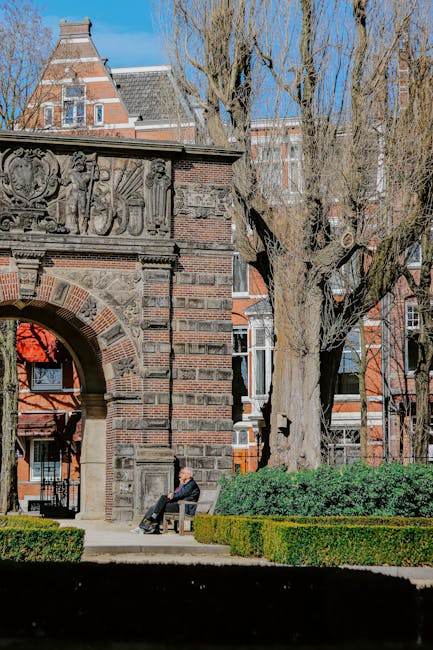




Introduction — Finding calm away from the crowds: Amsterdam’s hidden parks and community gardens
Amsterdam is often associated with its canals, museums and the buzz of its central neighborhoods. Yet just steps from the main tourist arteries you’ll find lesser-known oases: small secluded parks, tucked-away historic courtyards and community gardens where locals come to read, garden, eat, or simply breathe. These spots offer a slower, more intimate, and often botanical atmosphere—perfect for anyone looking to unwind away from the tourist tide. In this guide I’ll take you on a practical, immersive stroll through several of these spaces—complete with exact addresses, opening times, entry fees and local tips—so you can plan peaceful pauses between museum visits or after a day of cycling.
You’ll discover medieval courtyards converted into secret gardens, historic greenhouses and urban vegetable plots cared for by resident collectives. Each refuge has its own character: some are steeped in history, others act as true urban agriculture labs. They share one promise though: a moment of calm, surrounded by greenery and birdsong, where time seems to slow down. The descriptions below include not only practical info—how to get there, how much it costs, and opening hours—but also concrete tips to make the most of each place (best times to go, rules to follow, snacks or drinks to bring).
This guide is for both visitors passing through and residents looking to rediscover the city from a quieter, more local angle. Amsterdam’s community gardens and hidden parks are living places: they change with the seasons, local association projects and the weather. I encourage curious, respectful behavior: look after the plants, take your rubbish with you, and when possible support local initiatives (buy something at the kiosk, join a workshop, donate). You’ll also find visual tips for each spot so you know what to photograph—always with respect for other visitors. Pack a small blanket, a book or a Dutch treat and come explore these urban retreats.
Begijnhof — A secret crown in the historic centre
Full name: Begijnhof Amsterdam
Address: Begijnhof 30, 1012 JT Amsterdam
Price: Free entry to the courtyard; chapel and historic house visits may be charged during exhibitions (≈ €3–5).
Opening hours: Open daily from 09:00 to 17:00 (hours vary in summer/during events).
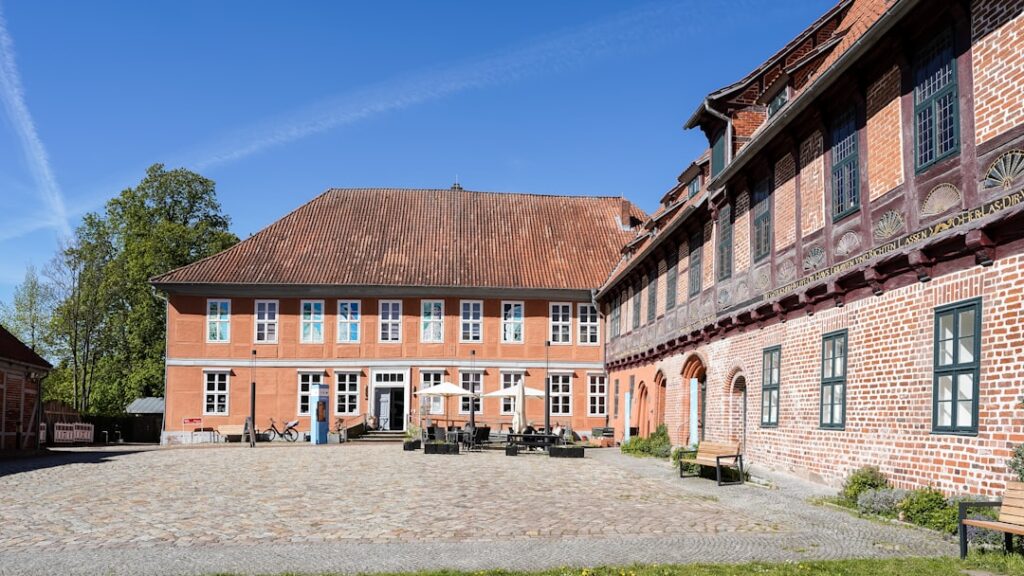
The Begijnhof is one of the oldest green refuges in central Amsterdam, hidden behind facades and accessed through a small gate on Gedempte Begijnensloot. It’s a paved inner courtyard lined with historic stepped-roof houses, a chapel and a well-kept garden. The place is steeped in history: this béguinage dates back to the 14th century and offers a rare blend of calm, architecture and greenery in the heart of the city.
The courtyard is perfect for sitting on a bench in the shade of a tree, leafing through a travel guide or enjoying a sandwich bought at a nearby market. The atmosphere feels almost monastic: quiet conversations, birdsong and light filtering through the trees. Benches are limited, so arrive early in the morning or late afternoon if you want a more intimate moment. Respect the signs: lawns and some benches may be reserved for residents.
Local tips: bring a small blanket if you’d like to sit on the grass, and avoid loud picnics. In winter the courtyard becomes even more private but access can be restricted for maintenance. Don’t miss the commemorative plaque and the façade of the oldest house (Begijnhof 34)—a lovely spot for a respectful photo.
Hortus Botanicus — The historic greenhouse for a botanical break
Full name: Hortus Botanicus Amsterdam
Address: Plantage Middenlaan 2a, 1018 DD Amsterdam
Price: Adult ticket ≈ €12.00, reduced ≈ €7.50, children (4–12) ≈ €6.00 (prices subject to change).
Opening hours: Generally open daily from 10:00 to 17:00; extended hours in summer (check the official site for evening events).
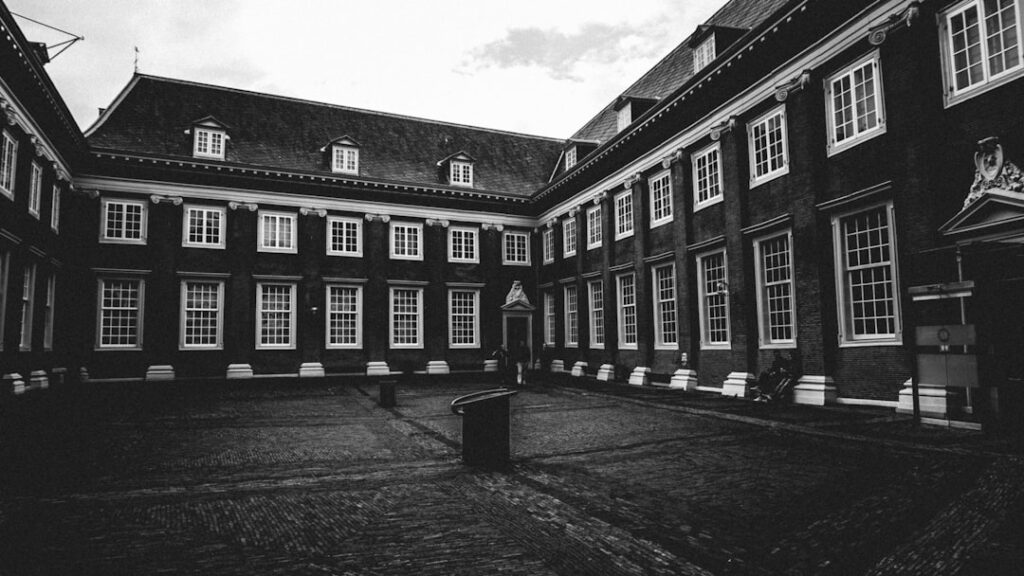
The Hortus Botanicus is one of the oldest botanical gardens in the world still in operation. Its collection includes historic greenhouses full of palms, cacti and tropical plants, an educational herbarium and themed gardens (medicinal plants, a rose garden, ponds). Wandering between shaded paths and glasshouses is perfect for those craving a sensory immersion: scents, textures and a tropical humidity that contrasts with the Dutch climate.
To make the most of your visit, start with the tropical greenhouse to escape the wind, then stroll over to the rose garden and the small garden café. The café serves drinks and pastries (approximate prices: coffee €2.50–3.50, slice of cake €3–5). Benches tucked near the ponds are ideal for reading or watching the carp. If you’re an amateur botanist, check the workshop calendar: talks, seed sowing workshops and themed guided tours are often held (cost varies, booking recommended).
Local tips: arrive early to avoid school groups, and wear comfortable shoes—some paths can be damp. Photos are allowed without flash in the greenhouses; follow the signs and don’t touch protected plants. The garden is family-friendly and makes a great wet, green break after a morning of museums in the Plantage neighbourhood.
Sarphatipark and De Pijp’s community gardens — Green and social
Full name: Sarphatipark
Address: Sarphatipark, Sarphatistraat 55, 1073 SV Amsterdam (main entrance)
Price: Free entry
Opening hours: Public park, open from dawn to dusk (official hours may vary).
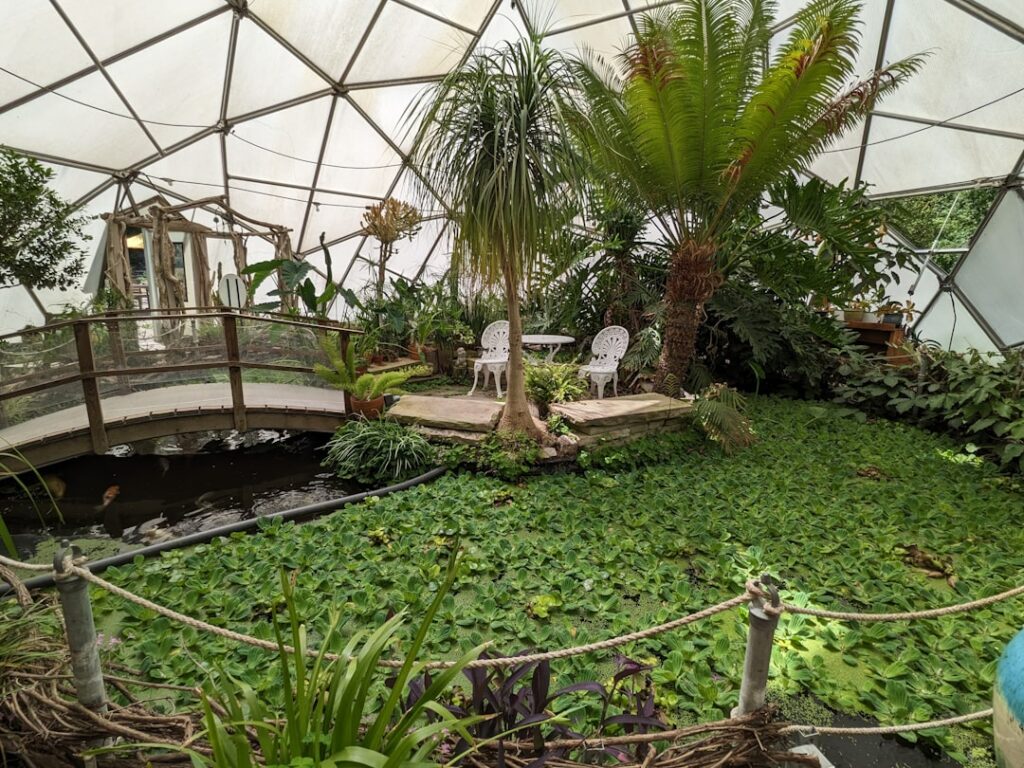
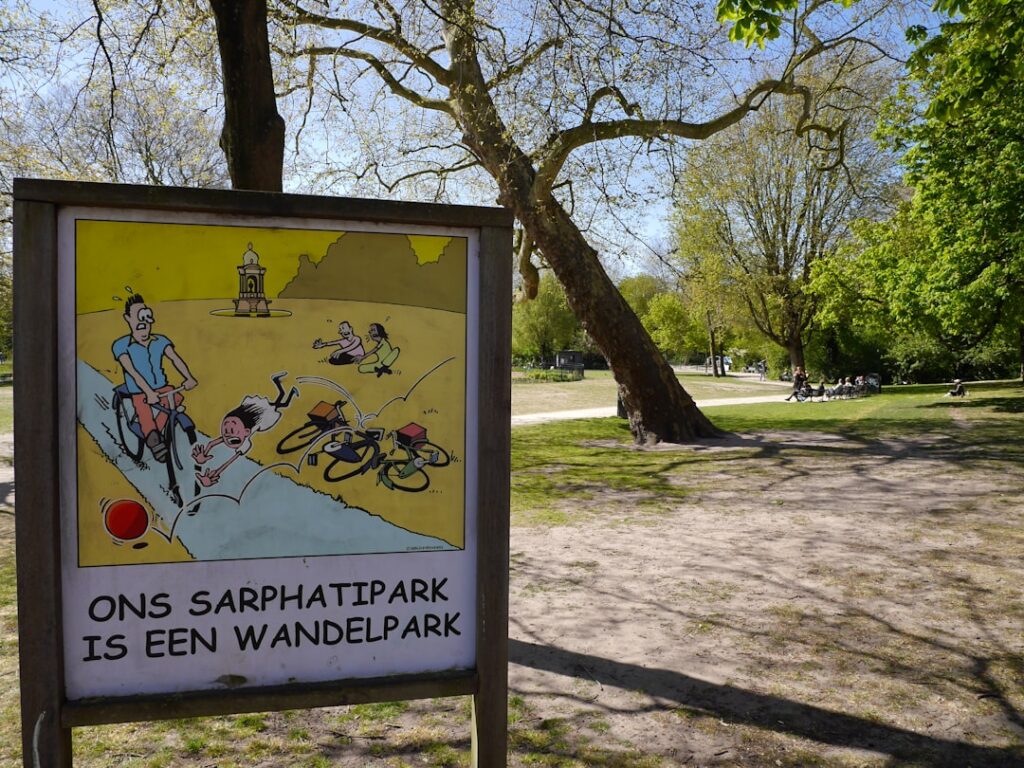
Located in the lively De Pijp neighbourhood, Sarphatipark is a green lung popular with families, joggers and students. While more well-known than some secret courtyards, it contains quiet corners often overlooked by hurried visitors: a small picnic hill, pockets of wild plants and less-traveled paths. Nearby you’ll find several smaller community gardens run by local collectives cultivating vegetables, herbs and flowers.
Among them are shared allotments where locals rent plots to grow tomatoes, herbs and flowers. These community spaces sometimes host seed-swapping markets and free workshops (check on-site noticeboards or local Facebook pages). Sunny weekend afternoons are perfect for joining a community gardening session or simply sitting by the pond to watch the ducks.
Local tips: if you want to join a workshop, bring gardening gloves and basic tools (some groups will lend equipment). Respect the plot rules (no alcohol, no open fires). Cafés and bakeries around De Pijp offer excellent takeaway sandwiches; consider buying provisions at Albert Cuyp Market (Albert Cuypstraat 1, 1072 CV) for an affordable local picnic. Summer evenings often feature impromptu mini-concerts—check local postings so you don’t miss those convivial moments.
De Ceuvel, Noorderpark and collective gardens in Amsterdam North
Full name: De Ceuvel (creative workplace & garden)
Address: Korte Papaverweg 4, 1031 EE Amsterdam (Buiksloterham)
Price: Site access often free; activities and guided tours ≈ €5–10; on-site café (drinks €2.50–4.50).
Opening hours: The site is generally open to the public from 09:00 to 18:00; café hours vary, check before you go.
Across the IJ river, Amsterdam North hosts remarkable ecological projects and collective gardens. De Ceuvel is a former shipyard turned creative space and demonstration of circular economy: offices on barges, filtering gardens and permaculture plots. Breezy paths and artistic installations create a mood very different from the historic centre—this is a great spot to contemplate, work outdoors or attend a sustainability workshop.
Nearby, Noorderpark (Noorderpark, 1031 KT Amsterdam) and its surroundings host small shared gardens and urban agriculture patches. Local associations organise open days where you can taste produce grown there or take part in community build days. These initiatives are strongly educational: they welcome school groups, trainee gardeners and artists experimenting with green spaces.
Local tips: plan to take the ferry (free from Centraal Station to Noord) to reach these spots; the crossing itself offers a lovely view of the city. Wear closed-toe shoes if you plan to get stuck into gardening. If you have a bike, reaching the canal-side gardens is easy and gives you freedom to explore. Support these projects by buying a drink at the local café or making a donation—this is the best way to help sustain these community spaces.
Conclusion — Weaving these havens into your itinerary
Amsterdam’s hidden parks and community gardens form an essential side of the city’s soul: they offer breathing space, places for exchange and a direct connection with civic initiatives shaping urban life. Whether you’re drawn to the medieval quiet of the Begijnhof, the botanical richness of the Hortus Botanicus, the friendly vibe of Sarphatipark and its allotments, or the ecological experimentation at De Ceuvel, each place delivers a distinct sensory and human experience.
To plan your visits: pair these green pauses with nearby activities (museums, markets, bike rides) to balance movement and rest; always check official websites for current hours and prices before you go as they can change with the seasons and events; respect the work of volunteers and gardeners—don’t pick plants without permission and take your rubbish with you. If you want a deeper experience, look into workshops and volunteer days—joining a gardening session or a workshop at Hortus or De Ceuvel gives you a meaningful perspective on local life.
Finally, don’t forget to savor the small details: a bird’s song in a hidden courtyard, the warmth of a tropical greenhouse after a rainy afternoon, or the taste of a tomato freshly picked from an urban plot. These little moments build lasting memories and reveal a quieter, more inventive and welcoming Amsterdam. Bring your curiosity, your respect and, why not, a small bag of seeds to swap—these gardens are often delighted to welcome engaged, respectful visitors.