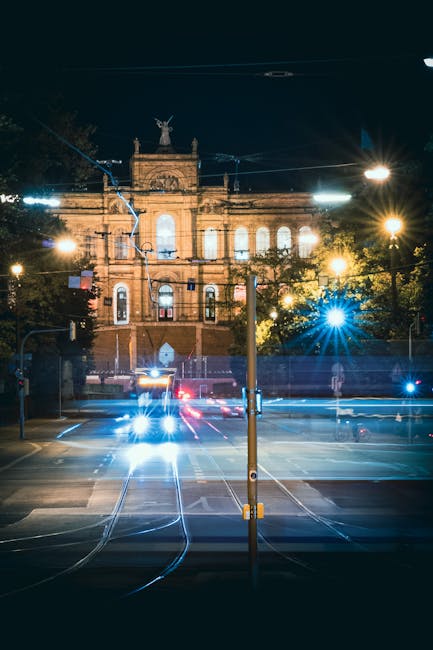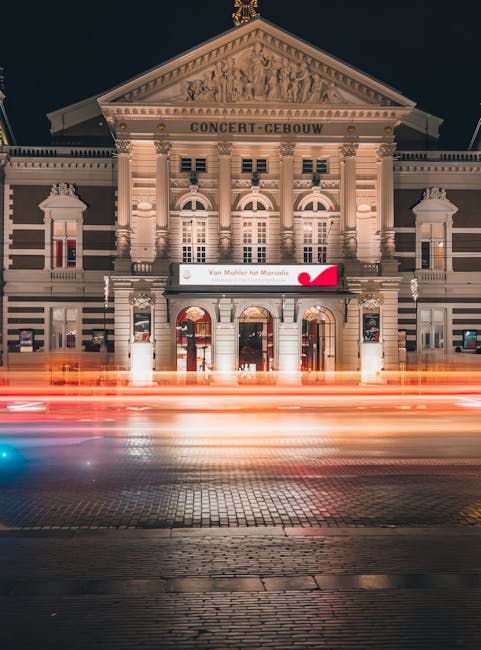






Introduction — Why Visit Amsterdam’s Historic Concert Halls
Amsterdam is a city where history is written in both stone and sound. From the cosmopolitan sparkle of the 19th century to the alternative cultural movements of the last decades, the city’s historic concert venues tell many stories: symphony orchestras, popular song, student counter-cultures and electric nights. This guide opens the doors to those emblematic places, gives you practical details (exact addresses, opening hours, price ranges) and local tips to turn a visit into a fully immersive experience. Whether you’re a classical aficionado, a jazz lover or a rock gig hunter, Amsterdam offers distinct settings where architecture and acoustics help make the show magical.
As you explore these venues you’ll also trace Amsterdam’s social evolution. Some stages started life as churches or circus halls before being repurposed as temples of popular music; others were built from the start for symphony orchestras and still retain acoustics sought after by conductors worldwide. Interacting with locals — from the volunteer behind the bar to the ticket taker — adds another layer: anecdotes, unmissable concert suggestions and insider ways to approach the local scene.
This guide highlights several of Amsterdam’s must-see historic venues. Each profile includes the full address, typical opening hours (box office, tours), estimated price ranges in euros for a standard concert or a guided tour, a detailed description of the architecture and atmosphere, plus practical tips: how to get there, where to eat before the show, which seats to favor and what to know about buying tickets online or on the spot. Prices and hours are indicative (they vary by program and season); check each venue’s official site before planning your visit. To enrich your visual imagination, image markers are scattered through the article to help picture each place.
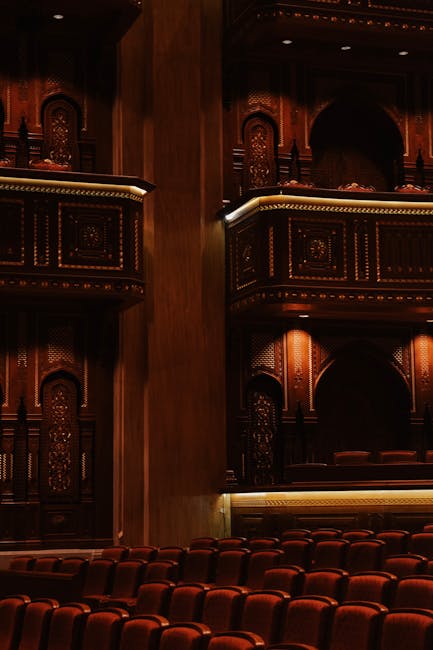
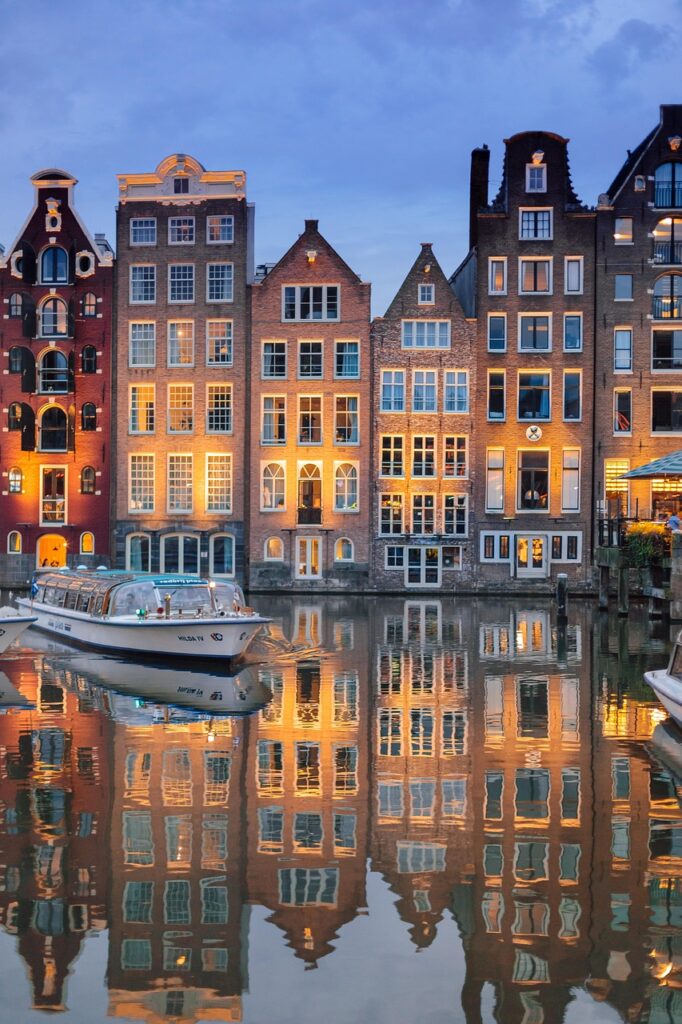
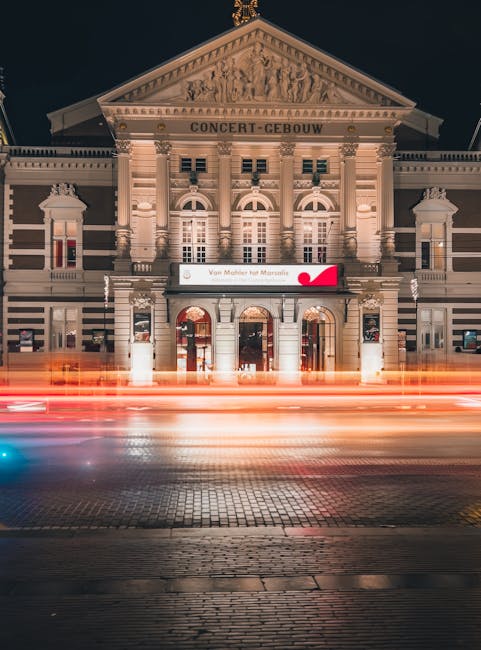
Koninklijk Concertgebouw (Royal Concertgebouw) — Concertgebouwplein 10, 1071 LN Amsterdam
The Royal Concertgebouw is frequently ranked among the world’s top concert halls thanks to its exceptional acoustics. Opened in 1888, the Koninklijk Concertgebouw was designed during the Romantic era to host symphony orchestras and recitals. The neo-classical building, bordered by a park and the Concertgebouwplein square, still preserves original decorative elements: frescoes, moldings and a richly ornamented foyer.
Exact address: Concertgebouwplein 10, 1071 LN Amsterdam.
Hours & box office: the ticket office is usually open Tuesday to Saturday from 10:00 to 18:00; hours may vary for major productions (check the official site). Guided tours are offered several times a week (usually in Dutch and English) and last 45 to 60 minutes. Prices: guided tours typically cost between €12 and €18 for adults, €6 to €9 for students and seniors. Concert tickets vary hugely by program; expect a range of €25 to €200 per seat for major symphonic concerts. Subscriptions and reduced rates (under-30s) are available for some series.
Immersive description: stepping into the Concertgebouw you immediately sense the importance of the space: the main auditorium, the “Grote Zaal,” delivers a rich, warm and detailed sound envelope. Velvet seats, a raised stage and an ornate ceiling all contribute to an experience where each instrument is crystal clear. Weekends often feature major international orchestras and the Concertgebouworkest; mornings may offer a cheaper “Matinee” concert. Visiting the foyer reveals portraits of past conductors and composers, along with rotating exhibitions on music history.
Local tips: buy tickets as soon as sales open for big productions (RCO, Mahler, Beethoven); if you’re on a tight budget, aim for noon concerts or youth-focused “podium” sessions. Arrive 30–45 minutes early to enjoy the Concertgebouw café (great pre-concert atmosphere) and to admire the façade lit up at dusk. Trams 2 and 5 stop nearby (Concertgebouwplein stop). The Concertgebouw offers accessible entry for patrons with reduced mobility — book in advance.
Paradiso — Weteringschans 6-8, 1017 SG Amsterdam
Paradiso is an icon of Amsterdam’s musical counter-culture: housed in a 19th-century neo-Gothic church, the building was converted into a concert venue and cultural center during the 1960s–70s. Today, Paradiso is synonymous with pop, indie, rock, electronic music and alternative events, while still retaining the sacred vibe and unique acoustics of its ecclesiastical architecture.
Exact address: Weteringschans 6-8, 1017 SG Amsterdam.
Hours & box office: the physical box office is often open on concert days from around 11:00 (times vary by program); the club doors typically open in the evening between 19:00 and 22:00 depending on the event. Ticket prices vary widely: small local shows cost around €10–€20, while international headliners can reach €30–€60 (or more for VIP/seated limited tickets). Paradiso also hosts daytime activities (workshops, talks) often free or low-cost (€5–€12).
Immersive description: walking into Paradiso is like entering a vast nave where stained glass windows and Gothic arches contrast with the raw energy of live shows. The two main spaces (the large nave and the club — “small hall”) deliver very different vibes: the nave for spectacular shows and natural acoustics, the small hall for extreme proximity to the artists. Walls are plastered with historic posters; the central bar attracts a diverse crowd — students, music fans and tourists. Programming is eclectic: DJ nights, intimate acoustic sets and underground festivals.
Local tips: if you want a good spot in the main hall, arrive early or book online (queues can be long for popular shows). Paradiso is a 15–20 minute walk from the Concertgebouw or easily reached by tram (line 1, with Leidseplein stop nearby). Drinks are reasonably priced (€4–€7 for a beer), but avoid starting the night too late if you plan on catching the last trams. For dinner before the show, the Leidseplein area has plenty of options — many restaurants offer quick menus for gig-goers.
Melkweg — Lijnbaansgracht 234A, 1017 PH Amsterdam
The Melkweg (literally “Milky Way”) occupies a former dairy turned cultural center and music venue. Since the 1970s, Melkweg has become a major hub for the alternative scene and visual arts, combining concerts, cinema, exhibitions and club nights. Its strength lies in offering events for very diverse audiences, from indie rock to hip-hop, techno and experimental music.
Exact address: Lijnbaansgracht 234A, 1017 PH Amsterdam.
Hours & box office: the physical box office is generally open on show days from the afternoon (between 15:00 and 19:00); for festivals opening times can be earlier. Prices: regular local concerts and club nights are usually between €8 and €20, while headliners range from €20 to €50. Melkweg also offers festival passes and reduced rates for students and members. The cultural center includes several spaces: a main hall (Melkweg has multiple modular rooms), a smaller hall, a cinema and gallery spaces.
Immersive description: visiting Melkweg is a sensory route. The main entrance opens onto a hall covered in graffiti, posters and art installations; then you choose the room that matches the night’s program. The acoustics are raw and direct compared with a symphonic hall, giving concerts immediate energy. The cosmopolitan line-up draws an international and local crowd: young Dutch people, Erasmus students and curious visitors. Screenings and temporary exhibitions (often free) let you stretch the night beyond the gig.
Local tips: pair a Melkweg night with a stroll along the nearby canals after the show — the area’s nighttime vibe is lively and pleasant. If you’re heading to a club night, stay hydrated and bring cash for cloakroom use (locker space can be limited). Public transport (trams 1, 2, 5 to Leidseplein) serves the area; bike-sharing stations nearby make late returns easier. For the full experience, check the schedule several weeks ahead: Melkweg often runs artist residencies and one-off themed nights.
Theater Carré (Koninklijk Theater Carré) — Amstel 115, 1017 AG Amsterdam
Built in 1887 and originally conceived as a variety and circus theatre, the Koninklijk Theater Carré is a hybrid venue located on the banks of the Amstel. Though often associated with theatre and cabaret, Carré also hosts concerts, recitals and musical evenings, offering a historic setting for diverse productions. The building holds the royal “Koninklijk” title and its iconic façade is an Amsterdam landmark.
Exact address: Amstel 115, 1017 AG Amsterdam.
Hours & box office: Carré’s ticket office is open most days from 10:00 to 17:00 (extended hours on show days); some performances have specific on-site sale times. Prices vary widely by performance: concerts and large shows usually range from €30 to €120, cabaret and comedy nights from €20 to €65. Guided tours of the theatre are occasionally offered (check the calendar) at about €12 to €15.
Immersive description: Carré’s interior blends red velvet, gilding and a stage able to host orchestras and ballet. The acoustics suit theatrical performances and chamber concerts; for full symphony orchestras the experience is more intimate than in a large concert hall. The view of the Amstel from the boxes adds charm during intermissions, and the decor evokes the golden age of live performance. Carré regularly programs national and international artists, family shows and gala events.
Local tips: book central stalls for the best visual experience; side boxes give a theatrical perspective but may reduce frontal sightlines. The Amstel area has elegant bars and restaurants for pre-show dining — reserve if your schedule is tight. Carré is walkable from Central Station via a pleasant riverside route (about 20–25 minutes) or reachable by tram; consider a taxi for late-night returns.

Bimhuis & Muziekgebouw aan ‘t IJ — Piet Heinkade 1 & 3, 1019 BR Amsterdam (combined music hub)
The waterfront between Central Station and the IJ is home to two institutions focused on modern music and jazz: the Muziekgebouw aan ‘t IJ (Piet Heinkade 1) and the Bimhuis (Piet Heinkade 3). The Muziekgebouw, open to the public since 2005, is newer but plays a central role in Amsterdam’s contemporary music scene as a creative and presentation hub. The Bimhuis, founded in 1973 and integrated into the Muziekgebouw complex, is a European reference point for jazz and improvised music, with a long history supporting local and international artists.
Exact addresses: Muziekgebouw aan ‘t IJ — Piet Heinkade 1, 1019 BR Amsterdam; Bimhuis — Piet Heinkade 3, 1019 BR Amsterdam.
Hours & box office: the combined box office is often open Tuesday to Saturday between 10:00 and 18:00; some concerts and festivals extend into late evenings. Prices: Bimhuis jazz and improvised music concerts usually run from €12 to €35, larger Muziekgebouw productions from €20 to €60. Morning programs and youth sessions offer reduced tickets (€5 to €12). The Muziekgebouw building also includes exhibition spaces, a panoramic café and artist residencies.
Immersive description: the Muziekgebouw has a contemporary, light-filled atmosphere with a large modular hall and windows overlooking the IJ. Its acoustics are technical and designed for a wide range of music: contemporary composition, electronic and experimental ensembles. Next door, the Bimhuis offers a more compact, intimate space renowned for closeness to the musicians and a cutting-edge program. Audiences often sit close to the stage, encouraging interaction and discovery of emerging forms. The quays make a pleasant gathering spot before and after concerts, especially at sunset when ferries and water reflections are part of the view.
Local tips: pair a Muziekgebouw visit with a Bimhuis concert to taste two complementary atmospheres — book ahead for popular jazz nights. The complex is a 10–15 minute walk from Central Station or reachable by the free ferry from Buiksloterweg (crossing to Amsterdam North) if you want a small sightseeing detour. Enjoy a drink at the panoramic café after the show and take in the skyline. Live recording enthusiasts can often buy limited edition releases at the venue shop.
Conclusion — How to Make the Most of Your Musical Route in Amsterdam
Amsterdam offers a rich and varied musical itinerary that mixes historic concert halls, converted clubs and contemporary centers. To get the most out of this network, plan ahead: watch program release dates (often several months in advance for major venues), subscribe to newsletters from places you’re interested in (Concertgebouw, Paradiso, Melkweg, Carré, Muziekgebouw/Bimhuis) and consider young-person discounts or seasonal subscriptions if you plan to attend multiple events. Online ticket platforms are convenient, but remember some categories (reduced fares, standing tickets) are sometimes sold only on site the night of the show.
Practically speaking, dress according to the venue: in large symphonic halls, opt for slightly smarter attire for a classical concert; in clubs like Paradiso or Melkweg, prioritize comfort and wear closed shoes if the crowd will be dancing. For late outings, Amsterdam’s public transport (trams, buses, metro) runs well until a certain hour; for very late returns, taxis and rideshares fill the gap. Cycling remains a very local option for short trips, but avoid riding through crowds after venues close.
Top local tips: arrive early to soak up the pre-show atmosphere (cafés, program stalls, exhibitions), check entrance policies for standing/seated concerts and prohibited items, and respect local concert customs (curtain-call etiquette for classical music, waiting until a piece ends to leave). Don’t miss morning sessions or lunchtime concerts — they’re often more affordable and offer a more intimate experience.
Finally, let yourself be carried by the variety: from the golden acoustics of the Concertgebouw to the luminous stained glass of Paradiso, from Melkweg’s raw energy to Carré’s riverside charm and the creative scene at Muziekgebouw/Bimhuis, every venue tells a different story. Take the time to listen, observe the architecture and talk to locals — the cloakroom volunteer or the programmer at the desk may tip you off to unexpected nights that will make your trip. Amsterdam is a city where music is lived as much as it is consumed: experience it, come back for more concerts, and let the city resonate within you.