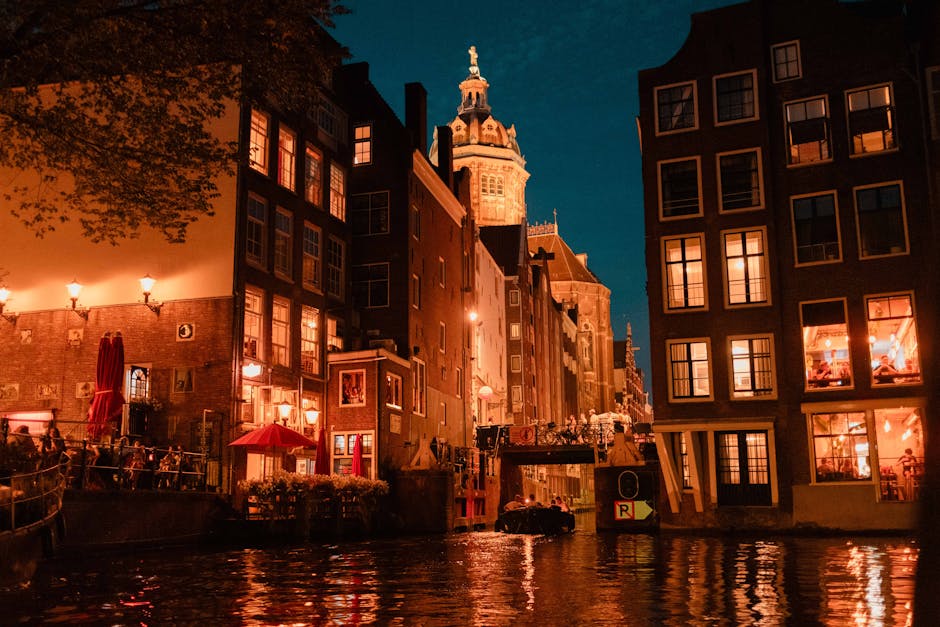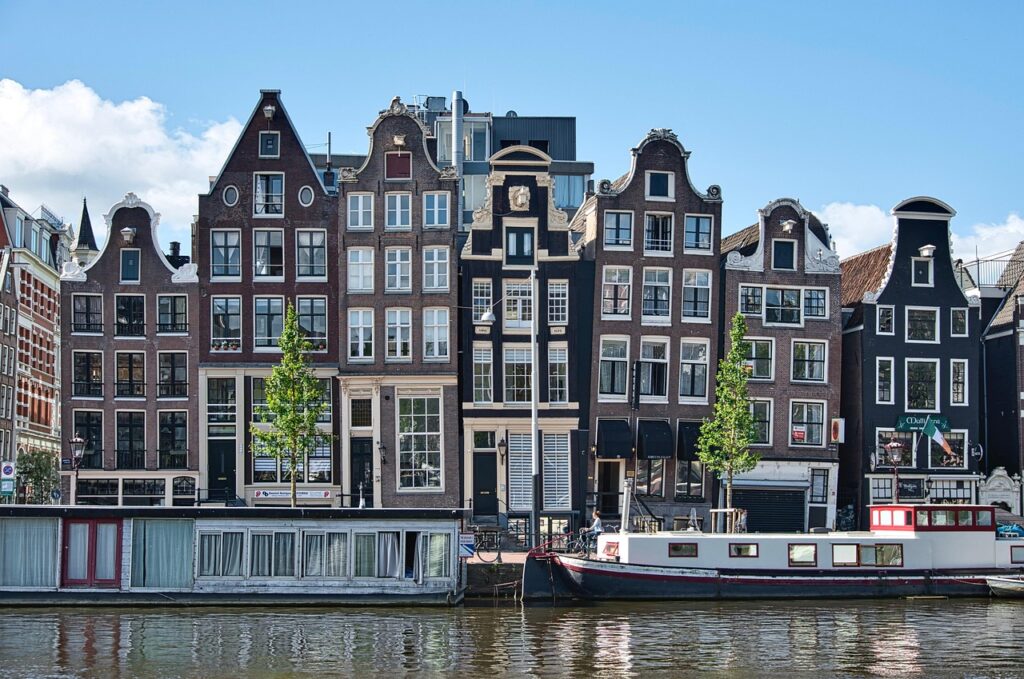






Introduction — Why book secure accommodation in Amsterdam and what this guide covers
Amsterdam is a hugely popular destination: UNESCO-listed canals, world-class museums, lively neighbourhoods like Jordaan and De Pijp, plus strong opportunities in tech and the creative industries. But popularity brings challenges: many short-term rentals, scams targeting tourists, strict local regulations, and a wide range of property types (canal houses, modern flats, rooms in shared homes). Booking a « secure » place in Amsterdam isn’t just about finding a clean, well-located flat — it’s about reducing the risk of fraud, complying with municipal rules (registration, tourist tax), ensuring physical safety (smoke alarms, locks, emergency exits), and getting a solid contract and traceable payment evidence.
This practical guide gives you 7 concrete, immediately actionable steps to book secure accommodation in Amsterdam. You’ll find exact contact details for useful services (police, city hall), recommended time slots for appointments, indicative prices, printable checklists, and step-by-step instructions to verify an owner, sign a contract, make secure payments, register with the municipality if needed, and check property compliance (fire safety, ventilation, gas installations). No vague tips — only precise actions and addresses you can use right now.
This guide covers the following scenarios: short tourist stays (under 30 nights), seasonal rentals (1–3 months), professional relocations (3–12 months) and long-term leases (over 12 months). You’ll learn how to spot a reliable ad on Airbnb/Booking/Pararius/Funda, how to request and verify a lease in Dutch/English, what proofs to ask the owner for (ID, land registry extract, utility bills), how to pay in a traceable and safe way, when to insist on an inventory (inventaris), and what to do with Gemeente Amsterdam (inschrijving/BRP) if your stay exceeds 4 months. Essential addresses include: the Amsterdam-Centrum police station to report a scam, the Stadhuis (city hall) for registration, and tenant support offices (Huurteam, Juridisch Loket).
How to read this guide: follow the 7 steps in order if you’re booking right now. If you already signed a contract without checking everything, revisit key steps: owner identity check (step 2), secure payment (step 4) and inventory (step 6). Each step includes a printable checklist, local tips and opening hours — so you can book, arrive and live in Amsterdam with peace of mind.
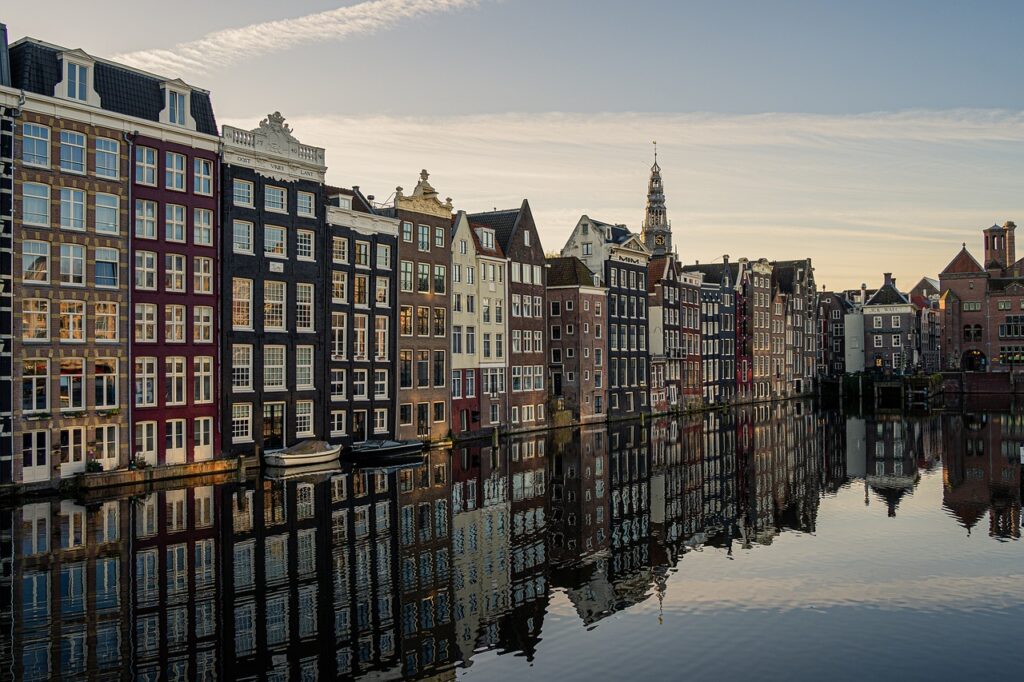
Step 1 — Pick the right neighbourhood and the right type of place (practical choices)
Before you start searching listings, define your safety priorities: proximity to transport (tram, train), street lighting at night, closeness to a police station, floor level and lift access (important for accessibility), heating type, and presence of alarms/smoke detectors. Here’s a selection of neighbourhoods and what they offer in terms of safety and trade-offs:
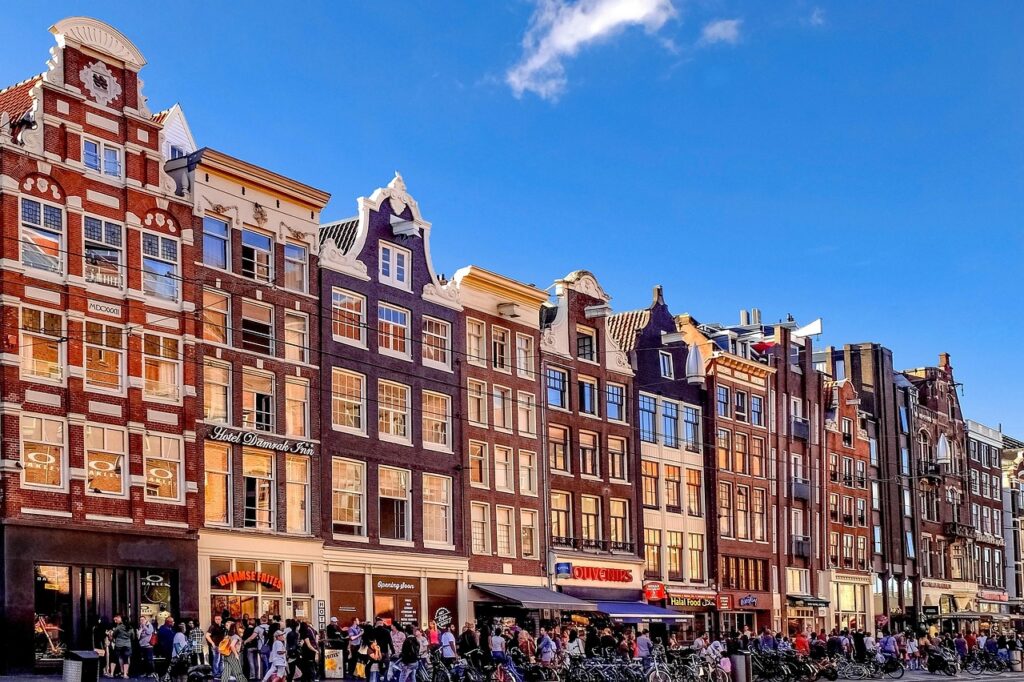
- Amsterdam-Centrum (Dam, Red Light, Canal Ring) — Very touristy, ideal if you want to be in the heart of things. Pros: many shops, tram links, police nearby. Cons: night-time noise, higher prices. Good for short stays and sightseeing. Example address: Prinsengracht 263 (1016 GV) for a renovated canal apartment.
- De Pijp / Ceintuurbaan — Lively residential area with cafés and the Albert Cuyp market. Pro: local vibe and decent night lighting. Con: some flats are compact. Example: Ceintuurbaan 182 (1072 ER).
- Oost (Indische Buurt) — Quieter, near Frankendael Park, with newer rentals. Pros: good value for money. Cons: parts are undergoing gentrification. Example: Transvaalstraat 56 (1092 BJ).
- Sloterdijk / Zuidas — Business districts, modern and secure, great for professionals. Pros: modern buildings, higher security, parking. Example: Gustav Mahlerlaan 1239 (1082 MS).
Type of accommodation depending on your security priorities:
- Flats in buildings with concierge / intercom — Preferable: buildings with coded entry and intercom (buzzer). Look for “intercom” or “buzzer” in the listing.
- Canal houses — Charming but often without lifts; check the stairs and emergency exits.
- Studios in modern residences — Good for short to medium stays; often equipped with detectors and fire extinguishers.
Neighbourhood and property checklist to confirm before booking:
- Exact address (street + number + postcode). Insist on this before payment.
- Walking distance to tram/metro (eg: 5 minutes from Amsterdam Centraal) — verify on Google Maps.
- Presence of intercom/code entry, lift if above the 2nd floor.
- Clear photos of entrances, locks and common corridors.
- Recent review (under 6 months) mentioning safety and noise.
- Indicative price ranges: Amsterdam-Centrum €120–€350/night; De Pijp €80–€180/night; monthly studios €900–€1,600/month; one-bed flats €1,200–€2,100/month.
Step 2 — Verify the owner’s identity and the listing’s legitimacy
The first check after the address is the identity of the landlord. Always ask for:
- A readable copy of an identity document (passport or ID card) from the owner, or a signed mandate if an agent is acting on their behalf.
- Proof of ownership: an extract from the Kadaster (Dutch land registry) or a utility bill at the listed address.
- Bank details matching the owner’s name (IBAN) and a clear contract.
How to verify in practice:
- Ask for a photo of the ID held next to the owner’s face (to reduce fakes). Compare the names with those on the contract. Refuse any requests to send documents via untraceable messaging only.
- Check the Kadaster online: https://www.kadaster.nl/ to confirm the legal owner. Cost: around €6–€10 for an online extract (provide the full address, e.g. Prinsengracht 263, 1016 GV).
- Call the bank — not always possible. If you can’t, insist on a transfer to a Dutch IBAN and prefer traceable payments (SEPA transfer). PayPal or Western Union-only requests are red flags.
- If the listing is through an estate agent (makelaar), ask for their industry registration number: NVM (Nederlandse Vereniging van Makelaars) or MVA. Example: Makelaar Amsterdam BV, Keizersgracht 131, 1015 CJ — check on https://www.nvm.nl/.
Useful addresses and contacts for verification:
- Kadaster (land registry) — Stationsplein 1 (online service), website: https://www.kadaster.nl/, cost for extract ~ €6–€10, online service available 24/7 for digital requests.
- Politie Amsterdam-Centrum — Halvemaansteeg 11, 1012 BH Amsterdam, emergency number 112, non-emergency 0900-8844 (available 24/7 to report fraud).
- Juridisch Loket (free legal advice) — Geldersekade 1, 1012 BJ Amsterdam (by appointment), phone 0900-8020 (national rate), opening hours: Mon–Fri 09:00–17:00.
Owner verification checklist:
- Owner’s full name matches Kadaster (yes/no)
- ID copy provided and face photo provided (yes/no)
- Proof of ownership / utility bill at the address (yes/no)
- IBAN for SEPA transfer in the owner’s name (yes/no)
- Listing also on reputable sites (Booking, Pararius, Funda) (yes/no)
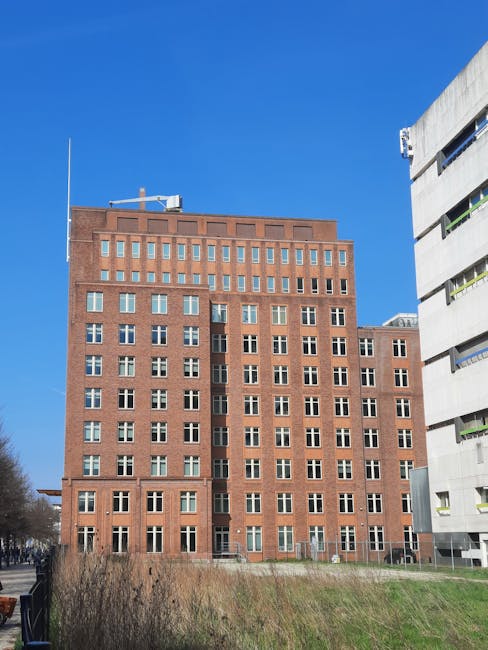
Step 3 — Read and negotiate the rental contract (clause by clause)
A written contract is essential. If you rent via Airbnb, Booking or an agent, always request a rental contract in English at minimum, and Dutch if possible. Here are the clauses to check and negotiate:
- Rental period: exact dates (check-in/check-out) and the extension policy. For stays >4 months, check the clause about registration with the municipality (BRP).
- Rent and utilities: exact monthly or nightly amount, payment dates and method, what’s included (electricity, water, internet). Example: One-bed rent €1,350/month, utilities (gas, water, electricity) flat fee €150/month, internet included.
- Security deposit: amount and conditions for return. Good practice: maximum deposit equal to one month’s rent. Example: deposit €1,350 returned within 28 days after inventory.
- Inventory (inventaris): must be attached as an appendix and signed by both parties on arrival. Include time-stamped photos.
- Insurance: who covers what? Landlord vs tenant. Ask for a clause stating the tenant is responsible for personal belongings and must have travel/contents insurance (Cost: approx. €30–€60 for short-term insurance).
- Termination: notice periods and penalties; short-stay rentals often have strict cancellation policies.
- House rules: no smoking, maximum occupants, pets, quiet hours after 22:00 (municipal rules).
Sample clause to request (copy-paste):
« The landlord confirms he is the registered owner according to Kadaster and authorizes the tenant to register at the Gemeente Amsterdam if the stay exceeds 4 months. Security deposit will be returned within 28 days after check-out, minus documented damages. »
Where to get the contract checked:
- Huurteam Amsterdam (tenant advice) — Dapper Markt 13, 1093 BL Amsterdam, appointments online via https://huurteam.nl/. Opening hours: Mon–Fri 09:00–17:00.
- Juridisch Loket (free legal help) — see contact in step 2.
Contract checklist:
- Exact occupancy dates stated (yes/no)
- Rent, utilities and tourist tax clearly indicated (yes/no)
- Deposit amount and conditions specified (yes/no)
- Inventory attached as an appendix (yes/no)
- Clause allowing municipal registration if >4 months (yes/no)

Step 4 — Make payments in a safe, traceable way
Payment method is one of the most common points for scams. Follow these rules to pay securely:
- Never hand over large amounts of cash. Exception: key handover in person for very short stays — always get a dated, signed receipt.
- Prefer SEPA bank transfer to a Dutch IBAN in the owner’s name. The bank keeps a record. For monthly rentals, ask for a written receipt after each payment.
- Card payments via secure platforms (Airbnb/Booking): use the platform’s tools. Never pay the full amount entirely off-platform.
- Avoid Western Union, MoneyGram, and cryptocurrency payment requests — these are red flags.
Recommended procedure:
- Request a signed contract and a pro forma invoice before any payment.
- Pay a reasonable deposit: 10–30% for short bookings; for monthly rentals, the first month + deposit is standard (eg: rent €1,350 + deposit €1,350 = transfer €2,700).
- Ask for an official receipt for the payment (showing recipient IBAN, full name, date, amount and purpose). Keep screenshots and bank confirmations.
- If the owner asks for full payment to a foreign account, insist on an alternative or use a secure payment provider (Stripe/Paypal Business) with buyer protection.
Examples of amounts and procedures:
- Airbnb booking: full payment via Airbnb, service fee ~6–14% extra. Cancellation policy is visible on the listing.
- Monthly rental via an agent (makelaar): typically monthly transfer at the start of each month. Example: IBAN NL12ABNA0123456789 in the name of Jan de Vries — request an invoice and signed contract.
Useful contacts in case of a financial dispute:
- Politie Amsterdam-Centrum, Halvemaansteeg 11, 1012 BH — to report attempted fraud (or call 0900-8844 for non-emergencies).
- Fraud helpdesk via your bank (eg ING, ABN AMRO) — contact your bank immediately if a transfer looks suspicious. Bank hours usually Mon–Fri 08:00–18:00.
Payment checklist:
- Contract signed before any payment (yes/no)
- Traceable payment method used (SEPA / via platform) (yes/no)
- Official receipt requested and received (yes/no)
- Deposit amount reasonable (10–30%) (yes/no)
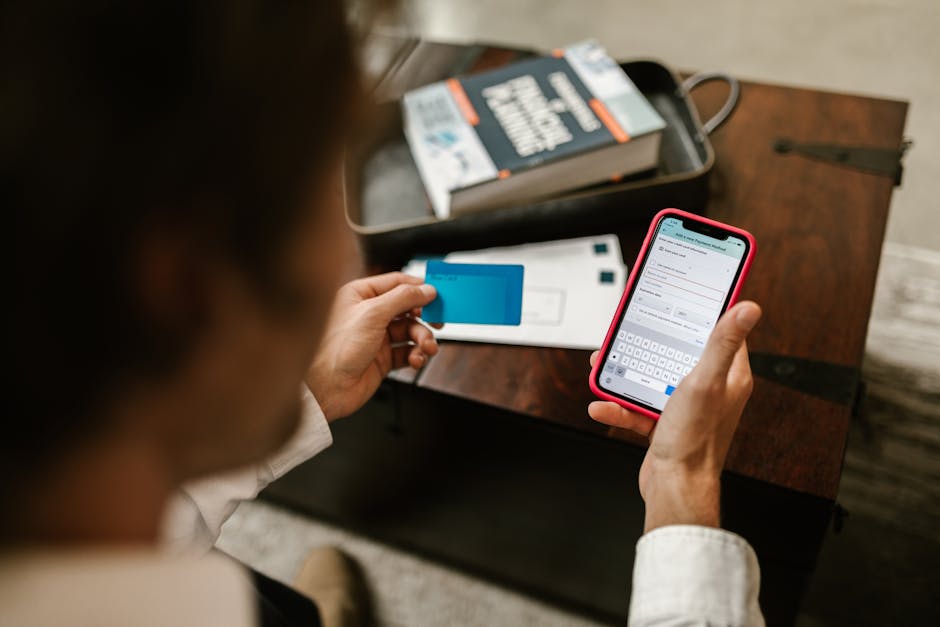
Step 5 — Municipal compliance and tourist tax (Gemeente Amsterdam)
Amsterdam’s municipal rules are strict, especially since controls on tourist rentals increased. Two essentials: BRP registration (inschrijven bij de gemeente) and the tourist tax (accommodatiebelasting / city tax).
BRP registration:
- If you stay more than 4 consecutive months in the Netherlands, you must register in the municipal register (BRP). For Amsterdam, go to the Stadhuis (City Hall):
- Gemeente Amsterdam — Stadhuis, Amstel 1, 1011 PN Amsterdam. Opening: by appointment, usually Mon–Fri 09:00–17:00. Book online via https://www.amsterdam.nl/.
- Required documents: signed rental contract, ID, proof of inventory showing you occupy the flat (keys, photos). Registration can be completed in-person the same day if the file is complete.
Tourist tax (city tax):
- Hosts often charge a tourist tax. Common amounts: either a percentage of the price (eg 7% VAT/accommodatiebelasting on certain rates) or a fixed fee per night (eg €3–€7 per person/night). Always check the listing. Example: listing shows “city tax €3.50 per person per night” — request a separate invoice.
- For hotels or B&Bs, the tax is usually included on the bill. For private rentals, the owner must declare and remit the tax to the municipality.
Useful address for tax questions:
- Belastingdienst (tax authority) — for questions about VAT and the tax obligations of rentals: Belastingdienst Nederland, see https://www.belastingdienst.nl/ or call +31 555 385 385 (international).
Municipal checklist:
- Stay >4 months? BRP registration required (yes/no)
- Tourist tax explicitly stated (yes/no) — amount indicated € / %
- Receipt/invoice showing payment of the tax (yes/no)
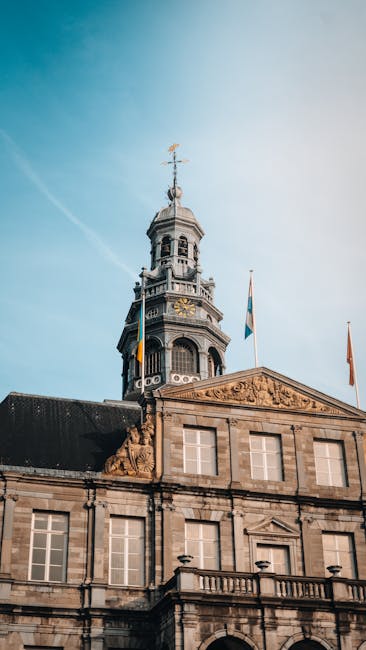
Step 6 — Check the property’s physical safety on arrival (inventory and compliance)
On move-in day, carry out a full inventory and demand a signed inventaris. Don’t hand over the full deposit without this inventory. Priority checks:
- Smoke detectors: at least one per floor. Test them. If absent, request installation or refuse key handover.
- Locks: check quality (multipoint locks are preferable). Test the closure and the key you’re given. If there’s an intercom, test it. If the front door is easy to break into, report it.
- Gas and heating: request proof of boiler maintenance (keuringsbewijs / maintenance certificate). Ask for the user manual. For gas installations, ask for the last inspection (Energielabel / inspection certificate).
- Lighting and exits: check emergency exits and emergency lighting where applicable.
- Sanitary condition: plumbing, mould, quality of hot water. Take dated photos.
Inventory procedure:
- Print or fill in the inventory provided by the landlord. Add your time-stamped photos (phone). If the host refuses, note your reservations on the contract and email the observations.
- Test all appliances (fridge, oven, washing machine) and record their condition. Report any defects immediately in writing with photos.
- Obtain a signed copy of the inventory from the landlord and keep an electronic version.
Typical intervention costs if something goes wrong:
- Standard plumber for a leak: €45–€90 per hour (urgent night calls can cost €90–€150).
- Replacement of a lock: €80–€180 depending on type (multipoint is more expensive).
- Boiler service (CV-ketel): annual inspection about €80–€120.
Emergency contacts and services:
- 24/7 plumbing service: Loodgieter Amsterdam, tel. +31 20 123 4567 (example) — ask for an estimate before work.
- Police station (emergency 112 / non-emergency 0900-8844).
Arrival checklist:
- Inventory signed and dated photos taken (yes/no)
- Smoke detectors tested (yes/no)
- Locks and intercom tested (yes/no)
- Proof of boiler maintenance provided (yes/no)
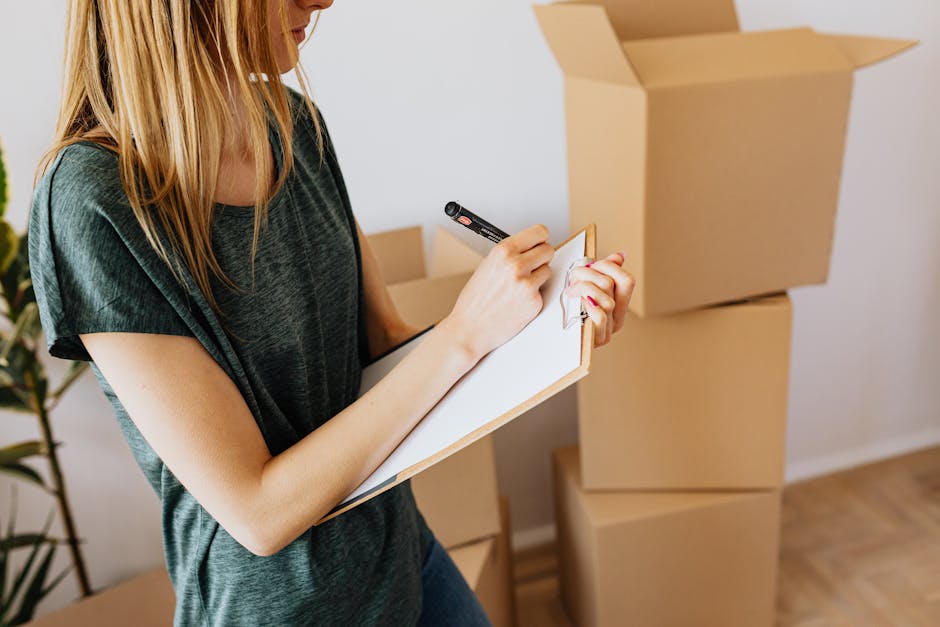
Step 7 — Live safely in Amsterdam: daily local tips and resources
Once you’ve moved in, adjust your habits to keep the property secure and avoid administrative or neighbour issues. Practical local tips:
- Always lock the front door: most burglaries occur after doors or windows are left unlocked. Always use the main lock and, if available, the secondary lock.
- Parcel management: Avoid deliveries to the flat when you’re not there. Use PickUp Points (PostNL Packstations) or send packages to your workplace. Example: PostNL locations near Centraal Station, Stationsplein 9 — opening hours 07:00–21:00.
- Respect neighbours: Amsterdam enforces quiet hours (quiet after 22:00). To avoid complaints and the risk of early eviction, inform neighbours if you have guests and avoid big parties.
- Guarantees and insurance: Get contents/travel insurance to cover theft and personal damage (short-stay cost ~€30–€60). For longer residents, a contents insurance (inboedel) and liability insurance (aansprakelijkheidsverzekering) are recommended — about €100–€200/year.
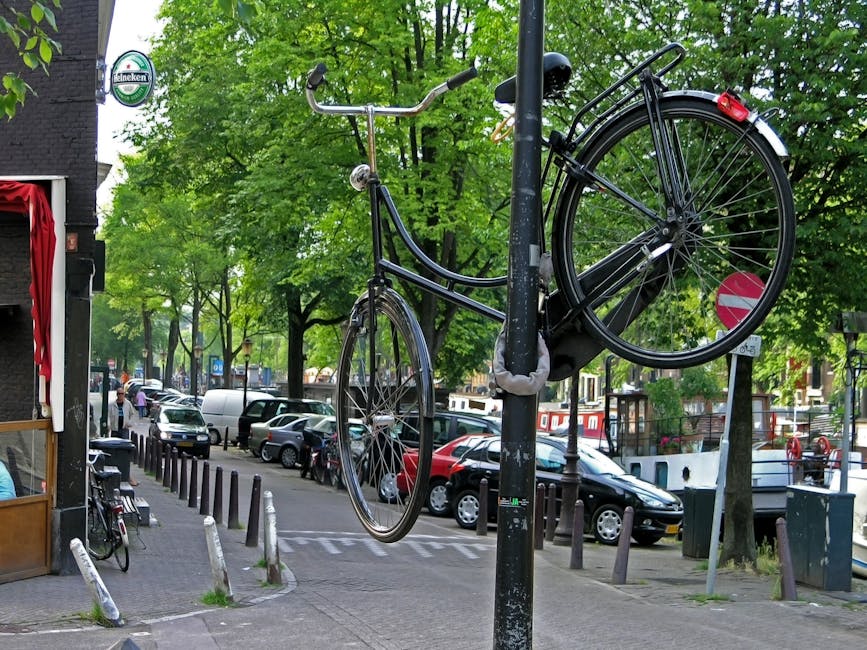
- Transport and getting around: Don’t leave bikes unlocked. Use two locks (U-lock + chain). Practical note: OV-chipkaart for public transport (trams, buses) — buy at ticket machines in stations and top up; card fee €7.50 + credit.
Local resources and practical contacts:
- Gemeente Amsterdam (for local complaints and registration) — website: https://www.amsterdam.nl/ — opening by appointment Mon–Fri 09:00–17:00.
- Huurteam Amsterdam (tenant protection) — https://huurteam.nl/ — Dapper Markt 13, 1093 BL, Mon–Fri 09:00–17:00.
- Politie Amsterdam (emergency 112, non-emergency 0900-8844).
- PostNL Pickup points — example: Stationsplein 9, 1012 AB Amsterdam (near Central Station).
Daily-life checklist:
- Contents insurance taken out (yes/no)
- OV-chipkaart purchased/topped-up (yes/no)
- Emergency contacts saved (police, landlord, insurer) (yes/no)
- Bicycles secured with two locks (yes/no)
Conclusion — Summary and immediate action plan
Booking secure accommodation in Amsterdam requires method and vigilance but is completely achievable by following simple, repeatable steps. In short: pick a neighbourhood that matches your priorities (safety vs tourist proximity), verify the landlord’s identity (Kadaster, ID), carefully read and negotiate the contract (deposit, inventory, registration clause), always pay in a traceable way (SEPA transfer or via an official platform), perform a thorough inventory on arrival (dated photos and signed list) and ensure municipal compliance (BRP registration if >4 months, tourist tax as stated in the listing). Finally, adopt good daily practices: lock the door, secure bikes, use PickUp Points for parcels and take out insurance.
Immediate action plan (printable):
- Before booking: confirm exact address, check Kadaster and request the landlord’s ID copy.
- Before signing: get the contract in English/Dutch, check clauses about deposit and inventory.
- Before payment: request a pro forma invoice and a traceable payment method; only pay after the contract is signed.
- On move-in day: complete a full inventory, test detectors and boilers, take dated photos.
- After settling in: register with the municipality if required (Stadhuis Amstel 1), check whether tourist tax was paid, and take out insurance.
Essential contacts summary:
- Politie Amsterdam-Centrum — Halvemaansteeg 11, 1012 BH Amsterdam. Emergency: 112. Non-emergency: 0900-8844.
- Gemeente Amsterdam (Stadhuis) — Amstel 1, 1011 PN Amsterdam. Book online: https://www.amsterdam.nl/
- Kadaster (land registry) — https://www.kadaster.nl/ — online extract ~€6–€10.
- Huurteam Amsterdam (tenants) — Dapper Markt 13, 1093 BL Amsterdam — https://huurteam.nl/ — Mon–Fri 09:00–17:00.
By following these 7 steps and using the checklists provided, you’ll greatly reduce the risk of scams, ensure the property is compliant and safe, and enjoy a worry-free stay or relocation to Amsterdam. If you want me to review a specific listing, paste the full address, screenshots and the listing text and I’ll go through it item by item to point out red flags and immediate actions.