





Introduction: Secret Strolls Along Amsterdam’s Lesser-Known Canals
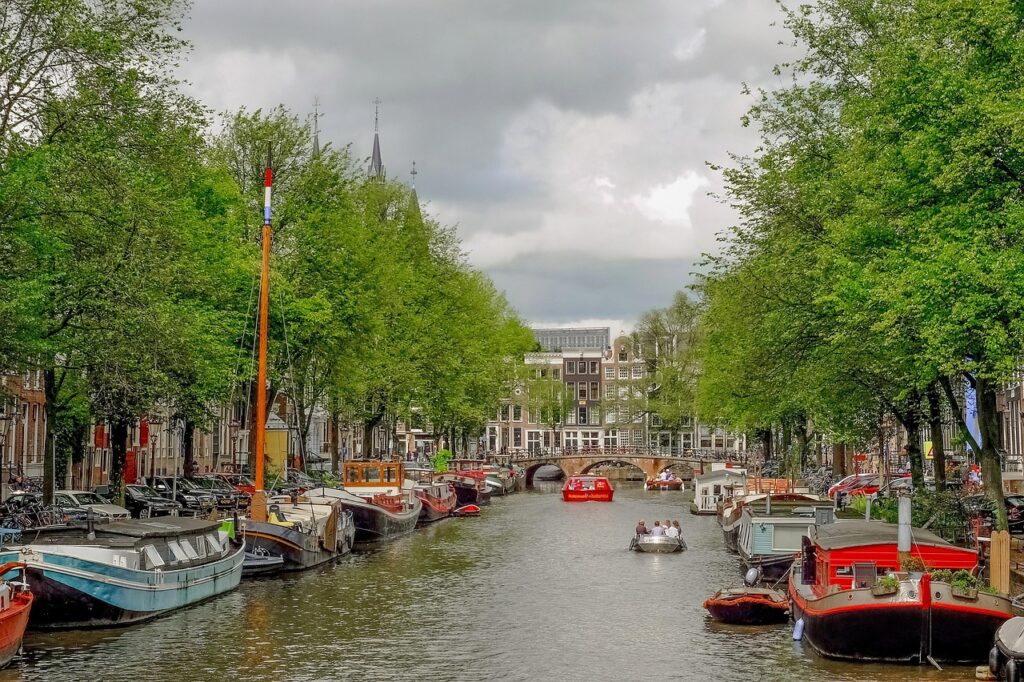
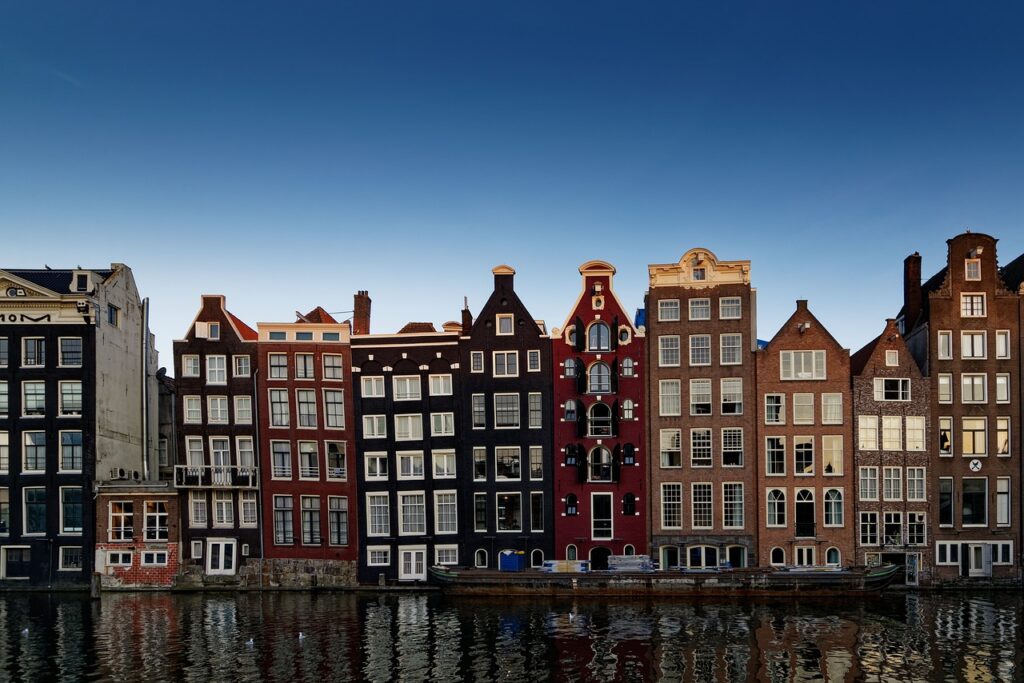
Amsterdam is world-famous for its UNESCO-listed canals, narrow gabled houses and romantic bridges. Yet beyond the main waterways — Prinsengracht, Herengracht, Singel — lie tiny aquatic neighborhoods, quiet alleys and neglected quays that preserve the city’s more intimate side. This guide takes you off the beaten track to lesser-known canals where you’ll find fewer tourists and more locals, urban gardeners and dozing cats on the windowsills. The aim is simple: to offer immersive, practical walks with exact addresses, opening hours, price estimates and local tips so you can enjoy Amsterdam in a different light.
The canals we’ll explore — Brouwersgracht, Bickersgracht, Egelantiersgracht, Nieuwe Herengracht and the calmer stretches of the Amstel — each bring a distinct vibe. Some sections feel like a peaceful village despite being centrally located; others reveal former industrial buildings now repurposed as workshops and cafés. For every spot you’ll get practical info: how to get there, where to stop for a neighborhood coffee, which bridges deserve a photo break and the best time of day to avoid crowds and capture the perfect light. You’ll also find suggested walking and small-boat (sloep) routes, approximate rental and tour prices, plus safety and local etiquette tips — essential for respecting residents and houseboats.
This guide is made for curious travelers, amateur photographers, locals hunting a new stroll and anyone who likes to be surprised. Each section is packed with details so you can plan a half-day or full-day outing without hunting for extra info. We include specific addresses where relevant (museums, cafés, public gardens) and immersive descriptions to turn your walk into a sensory mini-series: the sound of oars, the scent of fresh bread, reflections dancing on water and the creak of wooden quays.
Before we start, a few general tips: favor off-peak hours (early morning between 7:00 and 9:00, late afternoon after 17:00 in low season), wear non-slip shoes (quays are often damp), respect private entrances (some canal courtyards are private) and be ready to navigate around moored barges. Also follow the local cycling rules — bikes have priority on many bridges — and bring a small cord or lock if you plan to rent a bike or secure a bag on a bridge. Now, let’s take our time and explore these hidden waterways one by one.
Brouwersgracht: Jordaan’s Hidden Heart and Its Converted Warehouses
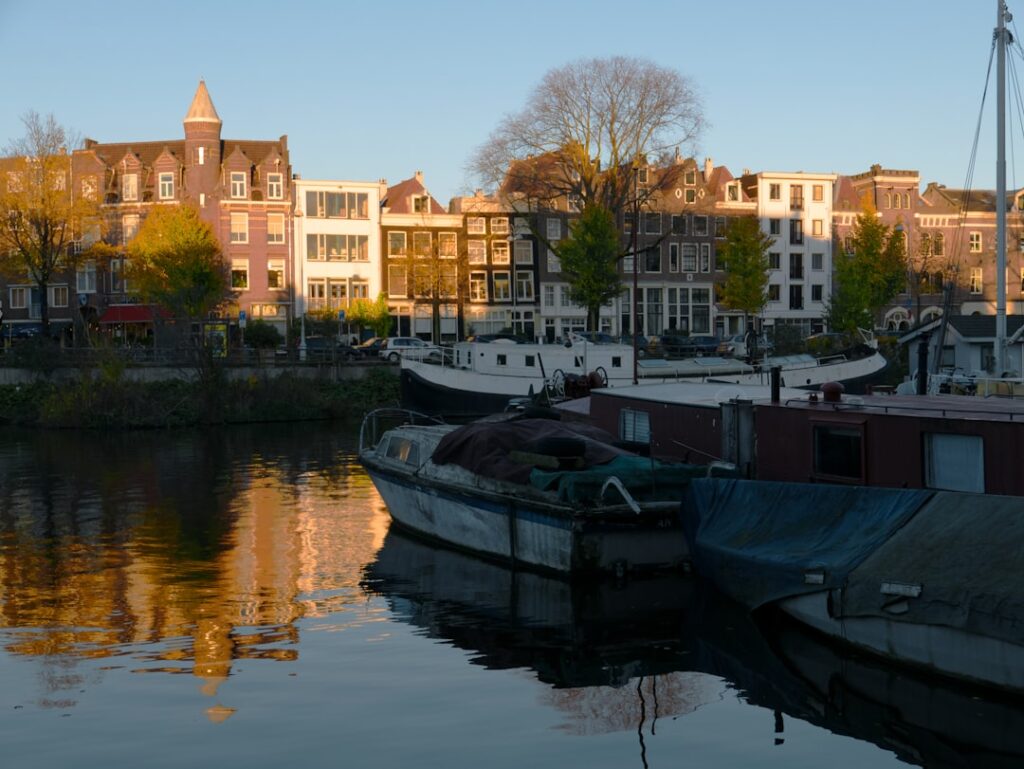
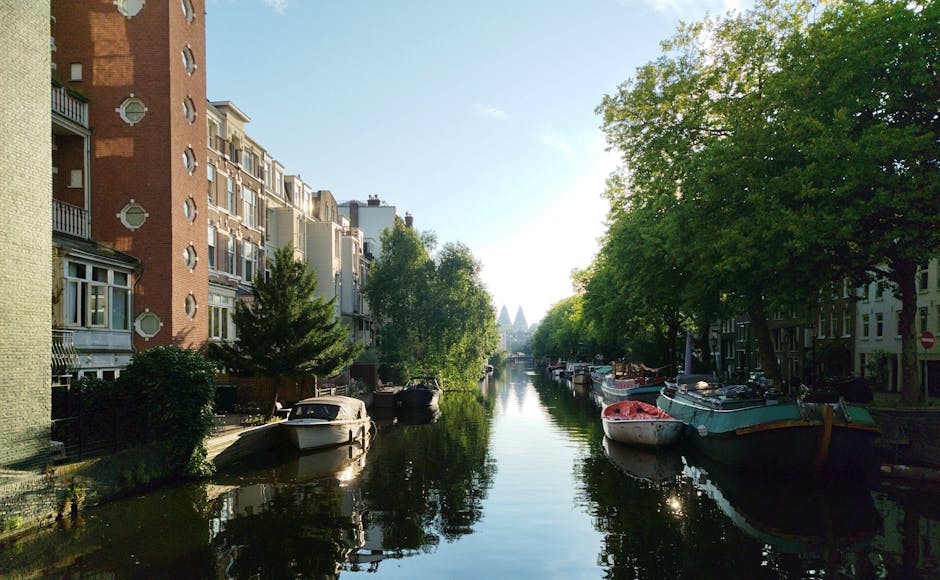
Brouwersgracht is often named by locals as one of the prettiest stretches of canal — not just for the façades but for the dense cluster of old warehouses and small merchant houses that tell Amsterdam’s trading story. Located in the Jordaan district, its most photogenic section lies between Prinsengracht and Nieuwe Spiegelstraat. Reference address: Brouwersgracht, 1015 Amsterdam (Jordaan). There isn’t a single street number for the whole area, but it’s visible from nearby bridges and quays.
Immersive description: at dawn the light skims the rooftops and gilds the façades. Heavy warehouse hoists facing the canal still show traces of the hooks and pulleys used to lift goods. Paved footsteps sound different thanks to the damp air, and the aroma of nearby bakeries sometimes drifts across — a perfect combo for photographers. At dusk, small string lights put up by residents lend a fairytale atmosphere.
Things to do and see:
- Café Winkel 43 (Noordermarkt 43, 1015 NA Amsterdam) — famous for its apple pie. Opening hours: 09:00–20:30 (every day). Prices: apple pie about €4.50, coffees €2.80–€4.00.
- Stroll the quays between bridge Brug 201 (towards Prinsengracht) and the junction with Nassaukade.
- Study the old warehouse grilles and iron mooring rings — ideal for close-up shots.
Tours and prices: several local guides run themed walks in the Jordaan. A 2-hour “canals and history” walk usually costs between €18 and €25 per person (booking recommended via local operators like Context Travel or independent guides). If you prefer the water, renting a small private electric boat (sloep) for 4 people starts at around €45–€65 for 1 hour (providers: Sloepdelen or Boaty Rent Amsterdam, departure points near Prinsengracht).
Local tips:
- Avoid weekends between 11:00 and 16:00 if you want photos without crowds.
- If you’re a photographer, bring a small reflector or use the low morning light for crisp reflections on the water.
- Respect private courtyards and gardens along the canal: most inner spaces are reserved for residents.
Bickersgracht and the Tiny Downtown Canals: A Village on the Water
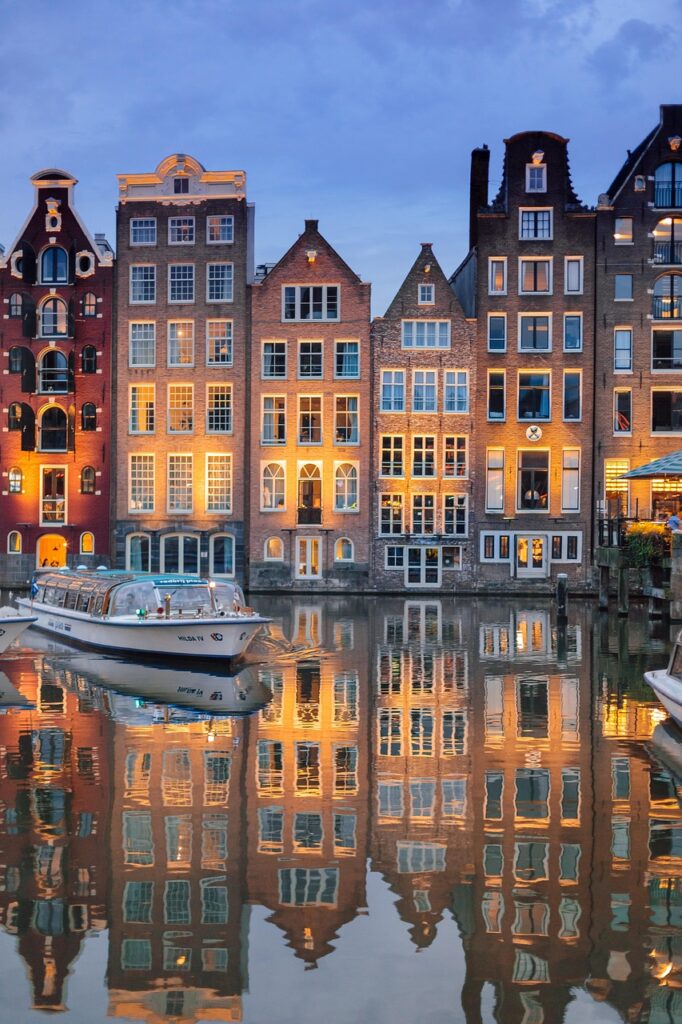
Bickersgracht is one of the most picturesque but also least touristy canals. Located west of the center, near Haarlemmerstraat and the old dock district, this stretch feels like a small harbor village: low houses, moored boats and a near-perfect photo bridge. Reference address: Bickersgracht, 1013 Amsterdam (near Haarlemmerplein).
Immersive description: the façades are low and colorful, often dotted with potted plants. As you approach, you’ll hear the steady tick of water against houseboat hulls. Residents sometimes take nets from boats or hang laundry — everyday scenes that feel like they belong to another era. At sunset the water mirrors the soft yellow street lamps and bikes leaning on railings make striking silhouettes.
Nearby highlights:
- Haarlemmerstraat (local shopping) — General address: Haarlemmerstraat, 1013 Amsterdam. Shop hours: often 10:00–18:00, vary by store. Great for lunch and local products.
- Haarlemmerplein (market and cafés) — A lively square with terraces. Example: Pluk Amsterdam (Haarlemmerstraat 8, 1013 EJ): brunch 09:00–17:00, dishes €8–€14.
- Quick photo stop on the wooden bridge, then head down to the quay to capture façades reflected in the water.
Getting there: Bickersgracht is walkable from Central Station (about 15–20 minutes) or reachable by tram (lines 1 and 17 to Haarlemmerplein). If you prefer less walking, a day bike rental costs around €8–€15 (depends on bike type and provider).
Rates and boat options: exploring Bickersgracht from the water by self-launch canoe isn’t common here (canals are narrow), but small guided electric-boat tours do operate from nearby quays. Indicative price: 1 hour in a small electric boat (4 people) €55–€75, with a skipper for an additional €20–€35 if desired.
Local tips:
- Walk slowly and avoid taking photos through residents’ windows.
- If you spot a neighborhood café, favor it for an espresso — that’s often where the best local encounters happen.
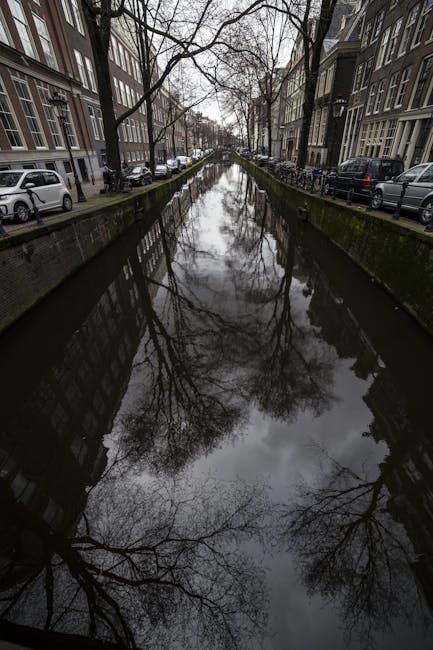
- In light rain, the reflections of façades on the water create a very nostalgic vibe — don’t forget a lightweight raincoat or a cover for your camera bag.
Nieuwe Herengracht, the Amstel and Tree-Lined Quays: Elegance and Calm
The Nieuwe Herengracht, running along the east side of the historic center, and the adjacent area along the Amstel showcase a restrained elegance: rows of trees, merchant houses and large private gardens on the canal side. A good starting reference point is Nieuwe Herengracht 1–101, Amsterdam (the section near the Hortus Botanicus and the Amstel Hotel).
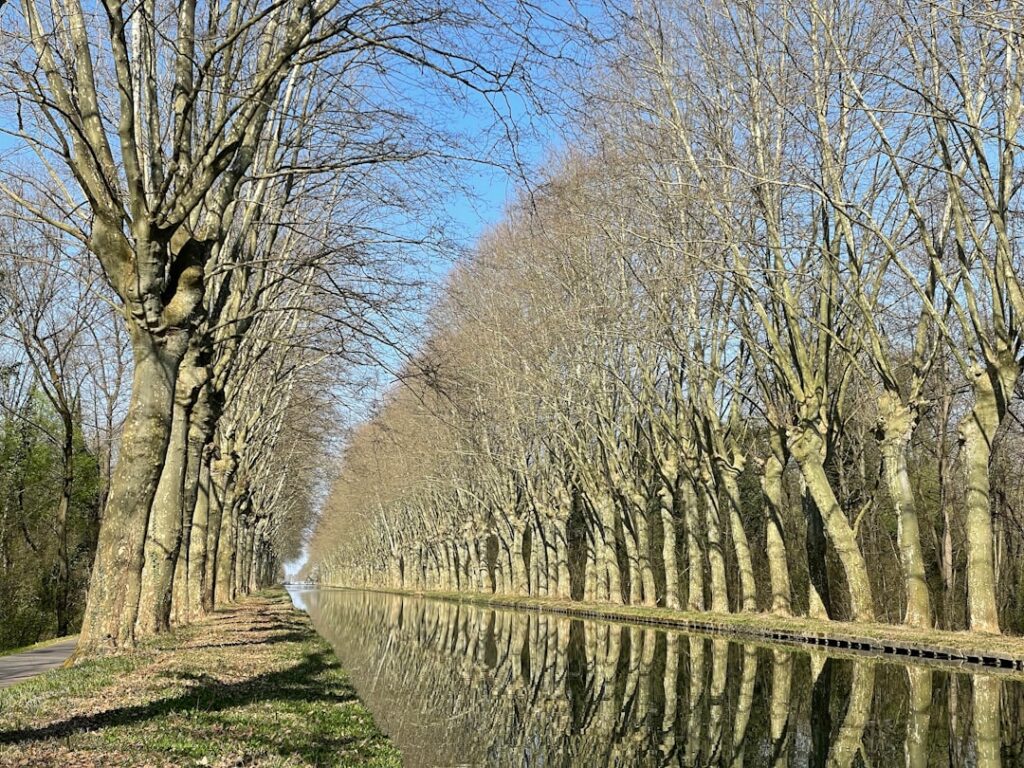
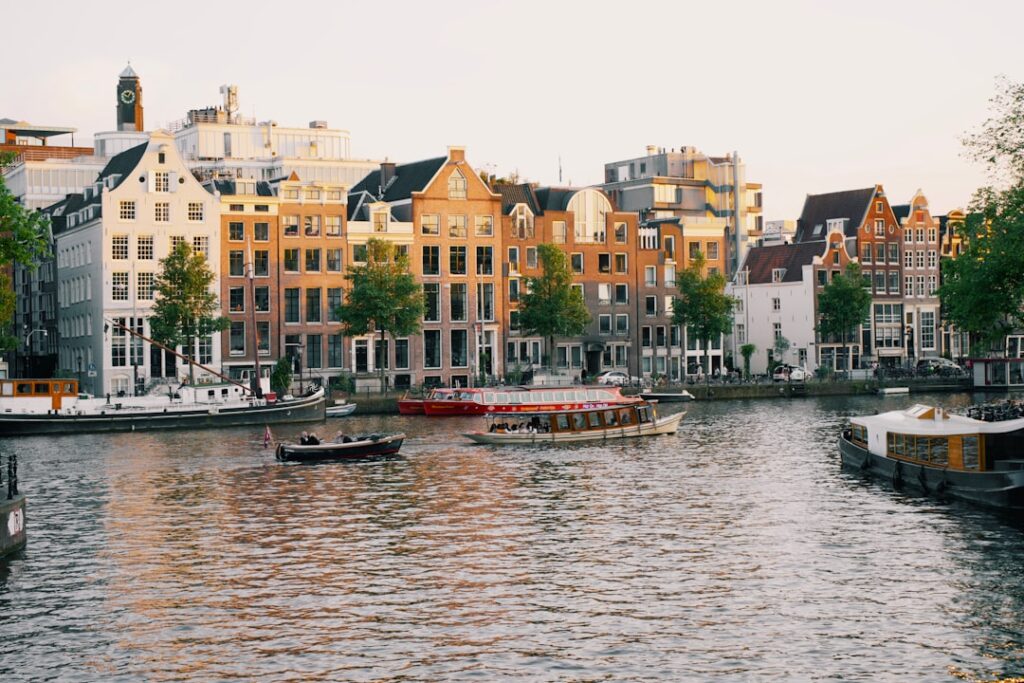
Immersive description: take a hushed walk along the Nieuwe Herengracht in the early morning; the plane-tree branches form a green vault between the quay benches and classic façades. Symmetrical reflections of brick and stone play on the water while small pleasure boats glide silently by. The wider Amstel opens up views of historic bridges such as the famous Magere Brug (Address: Amstel, 1017 Amsterdam). Together these two axes give a seaside-like feeling in the heart of a European capital.
Nearby visits:
- Hortus Botanicus (Plantage Middenlaan 2a, 1018 DD Amsterdam). Opening hours: 10:00–17:00 (seasonal variations — check the website). Entry: adults about €10–€12, student/senior concession €8.
- Amstel Hotel (Amstel 1, 1017 AE Amsterdam) — for a tea break or to admire the historic facade. Public lounges; tea prices: €8–€16 depending on the package. Hours: hotel lounges generally open 08:00–23:00.
- Magere Brug (Skinny Bridge) — an iconic sunset photo spot. Open 24/7, no fees.
Boat trips and costs:
For a more private experience, consider renting an electric sloep on the Amstel. Example providers: Blue Boat Company and Canal Motorboats (depots often around Prins Hendrikkade or the Amstel). Indicative prices: private hire of a small boat for 6 people roughly €80–€120 for 1 hour; guided commentary cruises of 1h15 on the Amstel usually range from €15 to €22 per person.
Local tips:
- For photos without backlight, visit Nieuwe Herengracht in the morning (7:00–9:00) or late afternoon (16:00–19:00 in summer).
- If you want a quiet moment, sit on a bench near the Hortus and watch the ducks and the ballet of small boats — it’s a perfect reading spot.
- Remember some quays are private; don’t try to access them — stick to public paths and bridges.
Practical Route and Tips for Organizing Your Secret Strolls
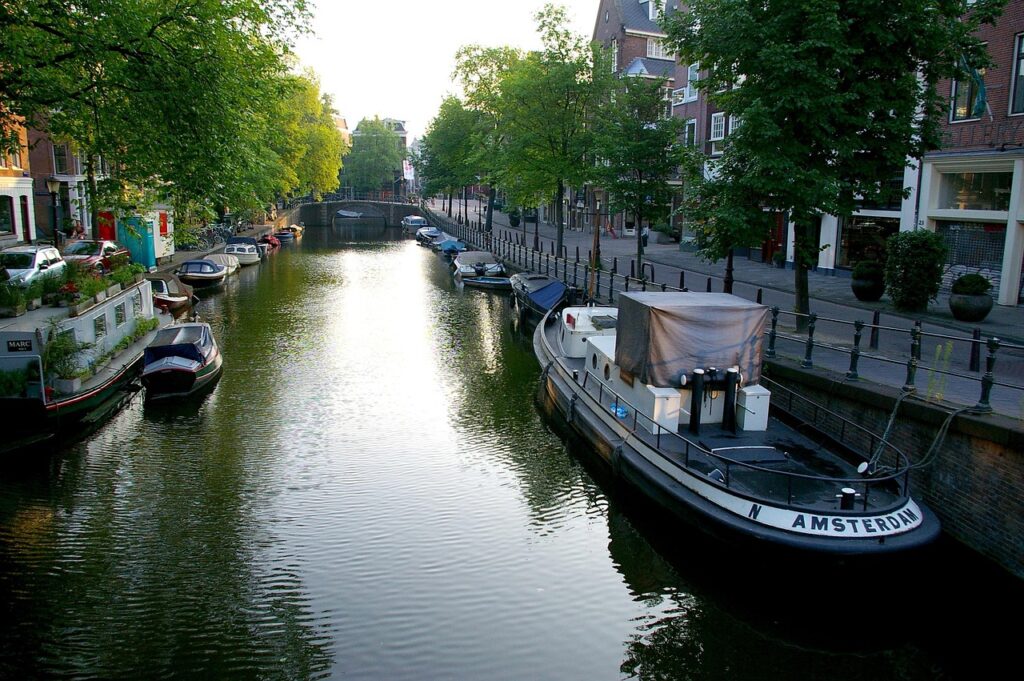
Putting together a day of walks along Amsterdam’s lesser-known canals takes a bit of planning. Here’s a sample route and logistical tips to make the most of your visit, including opening hours, prices and connections.
Recommended itinerary (half-day, 3–4 hours):
- Start at 08:00 from Brouwersgracht (enjoy the morning light on the façades). Coffee break at Café Winkel 43 (Noordermarkt 43, 1015 NA): 09:00–09:45. Budget: €6–€10 for coffee + pie.
- 09:45–10:30: walk to Bickersgracht via Haarlemmerstraat (local shopping and small boutiques). Photo break on the wooden bridge. Time on site: ~45 min.
- 11:00–12:30: head to Nieuwe Herengracht / Amstel. Leisurely walk along the water; stop at the Hortus Botanicus if you like (entry ~€10–€12, allow 45–60 min).
- 12:30–13:30: lunch by the water, for example at the Amstel Hotel (Amstel 1) or in a Plantage brasserie. Lunch budget: €15–€30 depending on choice.
Practical tips:
- Transport: a single GVB ticket (tram, bus, metro) costs around €3.50, but a 24-hour ticket for €8–€9 can be good value if you plan multiple transfers. You can also opt for a day bike (€8–€15 / day).
- Budget: allow between €30 and €70 for a half-day including drinks, breakfast, transport and (optionally) garden entry or a short boat rental.
- Safety and respect: don’t leave bags or gear unattended on the quays. Neighborhoods are generally safe, but opportunistic thefts do occur around major attractions.
- Photography: respect residents’ privacy — don’t enter courtyards or gardens without permission. Ask before photographing people up close.
Additional options:
- Themed guided “hidden canals” tour (2–3h): €20–€40 per person depending on inclusions (tasting, skip-the-line tickets). Book 24–48 hours ahead in high season.
- Electric bike rental: €25–€40 per day; useful to cover more canals without tiring yourself.
- In low season (November to March) some cafés close earlier; always check current opening times on Google or the venue’s official site.
Accessibility:
Quays are often cobbled and not fully wheelchair-friendly along the entire route. However, some areas near the Amstel and Hortus have wheelchair access. Check with local tourist offices (VVV Amsterdam, Stationsplein 10, 1012 AB) for accessible routes. The VVV also offers free maps and brochures in several languages.
Conclusion: Rediscover Amsterdam Through Its Secret Canals
Wandering along Amsterdam’s lesser-known canals — Brouwersgracht, Bickersgracht, Nieuwe Herengracht and the banks of the Amstel — is a choice for slowness and attention to detail. These discreet stretches give you an intimate view of urban history, an architectural gallery of façades, warehouses and gardens, and above all a sensory experience: the lap of water, bakery scents, a bird’s call from a beam and the shifting light from one bank to the other. Following the suggested routes, you can piece together half-day or full-day rambles without sticking to the major, often crowded, attractions.
The practical details in this guide — addresses (Café Winkel 43, Noordermarkt 43; Hortus Botanicus, Plantage Middenlaan 2a; Amstel Hotel, Amstel 1), opening hours and price estimates for cafés, tours and boat rentals — are intended to help you plan with confidence. Remember that opening hours can change with the seasons: in summer many places stay open later, while in winter some cafés and small shops close earlier. For guided tours and boat hires, book ahead especially in high season (April–October).
Finally, go with respect and curiosity: these canals are home to thousands of residents. A smile, a polite request before photographing someone or a table, and attention to local signs will help you be welcomed. Take time to look, smell and listen: Amsterdam reveals its best surprises to those who slow down. Whether you’re a photographer, casual stroller, architecture lover or simply curious, these secret walks will show you a truer, quieter and deeply charming Amsterdam.