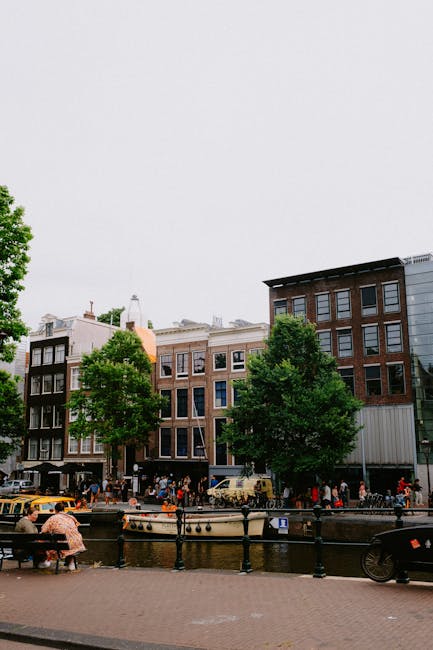






Introduction — Amsterdam beyond the canals and windmills
Amsterdam instantly conjures images of shimmering canals, narrow gabled houses, world-class museums and bikes as far as the eye can see. Yet the Dutch capital also hides a wealth of lesser-known, offbeat places that offer a different — more intimate, surprising, sometimes delightfully quirky — perspective on the city. This general guide invites you off the beaten path to explore ten distinctive spots, from secret gardens and niche museums to unexpected buildings, hidden bars and unusual markets. The aim is practical and immersive discovery: exact addresses, prices in euros, typical opening hours, detailed descriptions and local tips to make the most of every visit.
Each location was chosen for its ability to surprise and deepen your understanding of Amsterdam. Some sites tell forgotten stories of the city, others offer unusual sensory or culinary experiences. You’ll also find suggested routes, tips to dodge crowds and recommendations to extend your visit if you have extra time. The addresses and hours listed are for guidance only; check ahead, especially around holidays or for exceptional closures.
Whether you’re a regular Amsterdam visitor or this is your first time, this guide is designed to let you taste the city’s curious, cosmopolitan spirit. The selected places span neighborhoods — Jordaan, De Pijp, Oost, Noord and the historic center — encouraging you to get around by bike, tram or on foot. For each site you’ll find practical details (entry fees, hours) and local tips to optimize your experience: best time of day to go, how to get there, what to photograph and which nearby dish or drink to try.
Finally, the guide includes visual markers in the form of images 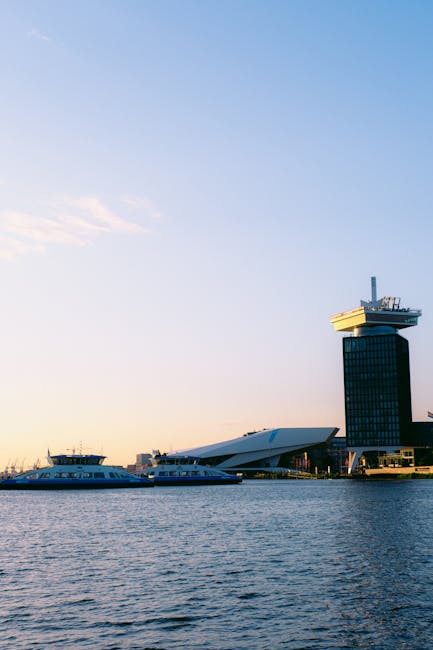 to help you picture each place before you arrive. These markers describe concrete scenes (landscapes, interiors, dishes) to make it easier to find representative images. Ready to discover an unexpected Amsterdam? Follow the guide: ten offbeat spots, each with character and a promise of wonder.
1. Micropia — Museum of microorganisms
Name : Micropia
Address : Artisplein 1, 1018 CZ Amsterdam
Price : Adult entry €22.00; student (with ID) €17.50; child 3–9 years €8.50; free for under 3s. Combined tickets with Artis available: adult €32.50.
Opening hours : Open daily 10:00–17:00 (last entry 16:00). Closed January 1st.
Micropia is the only museum in the world fully dedicated to the invisible world of microorganisms — bacteria, viruses, fungi and other microscopic life. Located next to Artis zoo, this interactive museum uses microscopes, sensors and sensory installations to make the invisible visible. You can watch live cultures, see magnified images and learn about microbes’ impact on our health, food and the environment.
The displays are immersive: backlit panels show colorful bacteria, scent devices illustrate aromas created by fermenting microbes, and interactive stations let you playfully measure your own microbiome. It’s a perfect visit for curious minds and families.
Local tip: Arrive early to avoid school groups in the afternoon. Combine your visit with a stroll through Artis zoo or a picnic in the adjacent botanical garden.
2. De Poezenboot — The cat boat
Name : De Poezenboot (Cat Boat)
Address : Singel 38G, 1015 AB Amsterdam (moored on the Singel canal)
Price : Suggested donation: €2.50–€5.00; extra fundraising during special periods.
Opening hours : Tuesday to Friday 12:00–17:00, Saturday and Sunday 11:00–16:00. Closed Monday. Hours may change depending on volunteers.
Established in 1966, De Poezenboot is a unique cat sanctuary housed on a houseboat moored on the Singel. This floating refuge cares for stray cats and welcomes visitors to meet them in a cozy, offbeat setting. The boat’s interior is arranged with resting spots, a cathedral of scratching posts, and windows looking out over the canal — a portrait of urban calm.
Visits are informal: follow the cats and chat with the volunteers who are happy to share adoption and rescue stories. It’s a perfect stop for animal lovers seeking a peaceful break between museums.
Local tip: Bring a cat treat if you’d like to contribute beyond donating. Visit in the morning to see the cats at their most active, then head to a nearby café for hot chocolate.

3. Hortus Botanicus — The tucked-away botanical garden
Name : Hortus Botanicus Amsterdam
Address : Plantage Middenlaan 2a, 1018 DD Amsterdam
Price : Adult €12.50; student €10.00; 4–17 years €6.50; under 4 free.
Opening hours : April–September 10:00–17:30; October–March 10:00–16:30. Occasionally closed for private events.
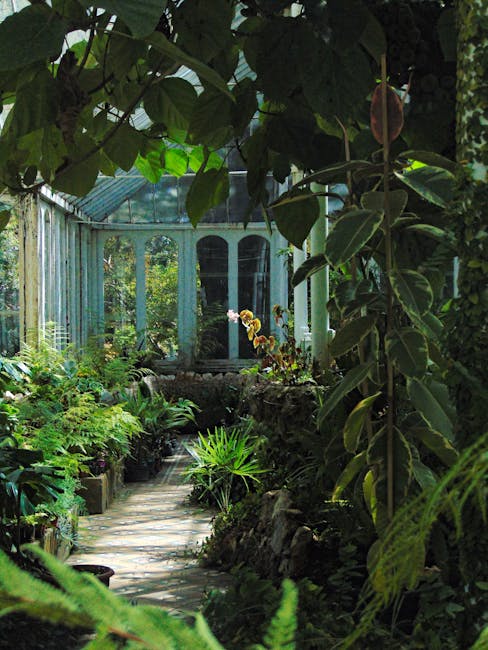
Founded in 1638, the Hortus Botanicus is one of the world’s oldest botanical gardens. Despite its long history, it remains a peaceful retreat often overlooked by typical tourist routes. Its greenhouses shelter tropical plants, rare orchids and an impressive collection of palms and historic medicinal plants. Strolling here is like walking through centuries of botany, complete with information plaques explaining each specimen and its traditional uses.
The red-brick structures, shaded paths and discreet benches make it an ideal spot for photography and quiet contemplation. Visitors particularly enjoy the cactus house and the butterfly house when in season.
Local tip: Visit early in the morning for soft light and fewer school groups. Take a narrated guide if available, and stop at the Hortus café for homemade pastries.
4. Electric Ladyland — Museum of fluorescent art
Name : Electric Ladyland — The Museum of Fluorescent Art
Address : Tweede Leliedwarsstraat 5, 1015 TB Amsterdam
Price : Adult €7.50; student €5.00; free for under 6s. Cash preferred.
Opening hours : Wednesday to Sunday 12:00–18:00; closed Monday and Tuesday. Some private evenings possible by reservation.
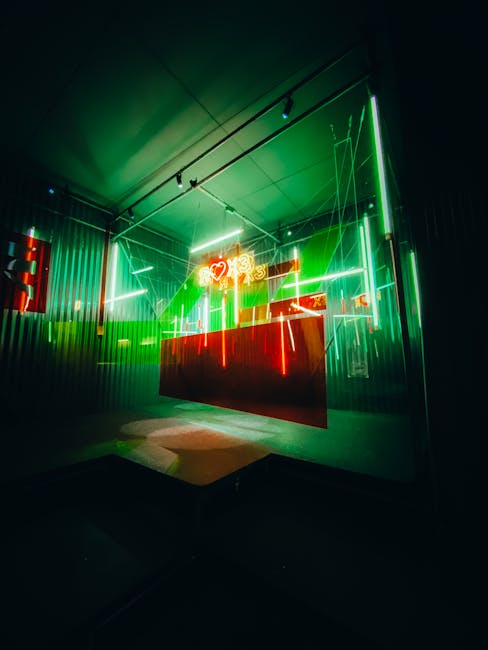
Electric Ladyland is a tiny, fascinating museum entirely devoted to fluorescent art. The experience begins the moment you enter a black-lit room where pieces seem to come alive under UV light. The collections include pigments, sculptures and interactive installations that glow in surprising color palettes.
The space is intimate, often run by the founder or passionate guides who explain the chemical and artistic properties of the works. Visitors usually leave dazzled by how materials transform under ultraviolet light.
Local tip: Bring a camera that handles low light well (high ISO). Visits are short (30–45 minutes); pair it with a walk through the nearby Jordaan neighborhood.
5. NDSM Wharf — Industrial wasteland turned street-art playground
Name : NDSM Wharf (NDSM-werf)
Address : NDSM-Plein 1, 1033 WB Amsterdam Noord
Price : Public access to the site is free; workshops and exhibitions typically cost €5.00–€15.00 depending on the event.
Opening hours : Public areas are always accessible; museums and cafés follow individual schedules (generally 10:00–18:00).
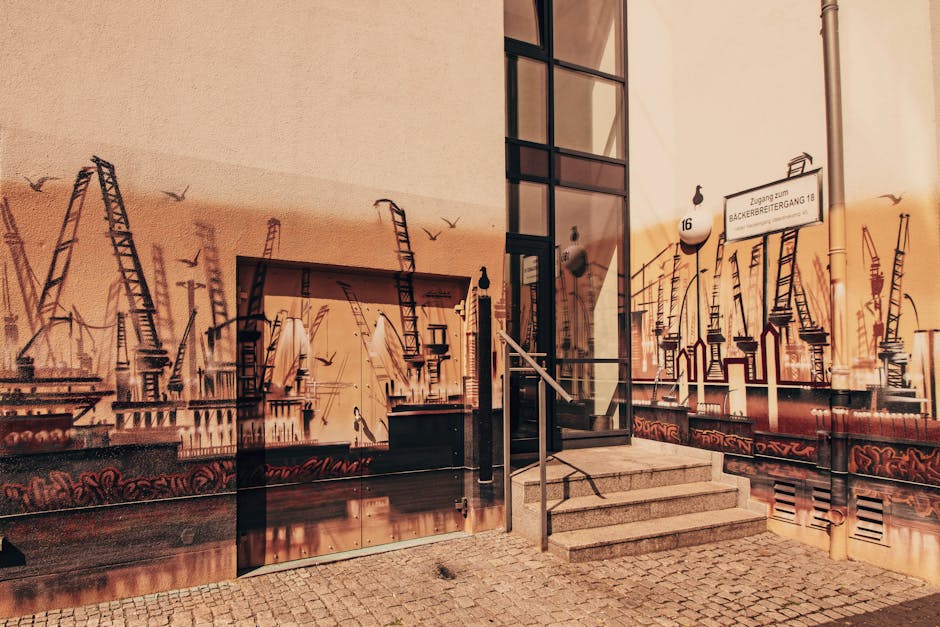
NDSM Wharf is a former shipyard transformed into a cultural lab. Part industrial wasteland, part arts hub and creative cluster, the area is known for massive murals, sculptures and containers repurposed as restaurants, galleries and studios. The vibe is resolutely alternative and shifts with events, flea markets and street performances.
Highlights include a gigantic old crane, vast graffiti-covered warehouses and Pllek café — a container-built restaurant on the quay with a sandy outdoor area — all offering unique photo opportunities. Take the free ferry from Amsterdam Central Station for a 15-minute crossing to Noord.
Local tip: Visit on a Sunday market day (Noordermarkt or an NDSM event) to feel the creative buzz. Wear comfortable shoes — the site is large and can be muddy after rain.
6. Ons’ Lieve Heer op Solder — Hidden church inside a canal house
Name : Ons’ Lieve Heer op Solder (Our Lord in the Attic Museum)
Address : Oudezijds Voorburgwal 38, 1012 GD Amsterdam
Price : Adult €11.50; student €9.00; child 6–17 years €6.50; under 6 free.
Opening hours : Open daily 10:00–17:00 (may close at 16:00 in winter).
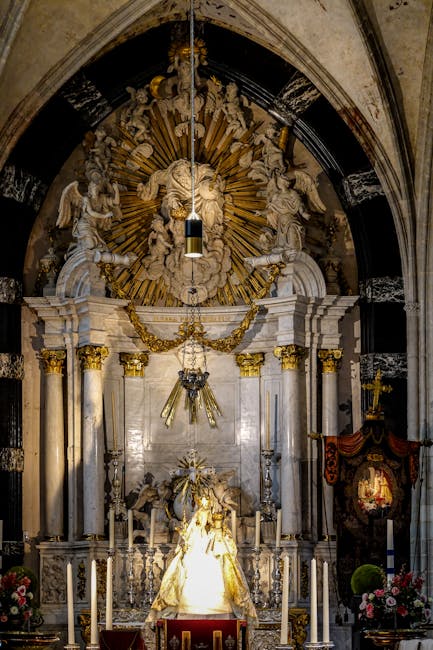
During the 17th century and the Reformation, Catholics in Amsterdam worshipped discreetly. Ons’ Lieve Heer op Solder is a 17th-century canal house whose attic contains a full baroque church, complete with paintings, altars and stained glass. The contrast between the ordinary street facade and the ornate interior is striking: you move from a domestic hallway into a richly decorated nave, preserved as a witness to the city’s religious history.
The museum offers audio guides in multiple languages and exhibits about domestic life during the Dutch Golden Age. It’s one of the most moving places to understand Amsterdam’s complex religious and social past.
Local tip: Buy tickets in advance in high season. If you can, visit late afternoon for gentler light in the attic chapel.
7. Alternative route around Artisplein and Plantage
Name : Alternative route around Artisplein and Plantage
Key addresses : Artisplein (Artis Zoo) 1, Hortus Botanicus Plantage Middenlaan 2a, Verzetsmuseum (Museum of the Resistance) Plantage Kerklaan 61
Price : Each site has its own fee: Artis Zoo adult €25.00, Hortus Botanicus €12.50, Verzetsmuseum €16.50.
General opening hours : Artis 09:00–17:00; Hortus 10:00–17:30; Verzetsmuseum 10:00–17:00.
This « spot » is actually a themed route through the Plantage neighborhood, often overlooked despite its cultural depth. Start with Micropia or Artis zoo, then head to Hortus Botanicus for a botanical contrast before diving into history at the Verzetsmuseum, which chronicles the Dutch resistance during World War II. The area is full of intimate cafés and small galleries.
Wander the little streets lined with old townhouses, stop by the Tuschinski cinema if you’re in the mood for theatrical architecture, and, if you’re moved by history, visit the Muiderstraat Jewish cemetery for a poignant experience.
Local tip: Set aside a full day and buy combo tickets to save. Take frequent coffee breaks — Plantage is full of tranquil tearooms perfect for debriefing the morning.

8. Huis Marseille — Intimate photography museum
Name : Huis Marseille, Museum for Photography
Address : Keizersgracht 401, 1016 EK Amsterdam
Price : Adult €11.00; student €8.50; under 18 free (depending on exhibitions).
Opening hours : Wednesday to Sunday 11:00–17:00; closed Monday and Tuesday.
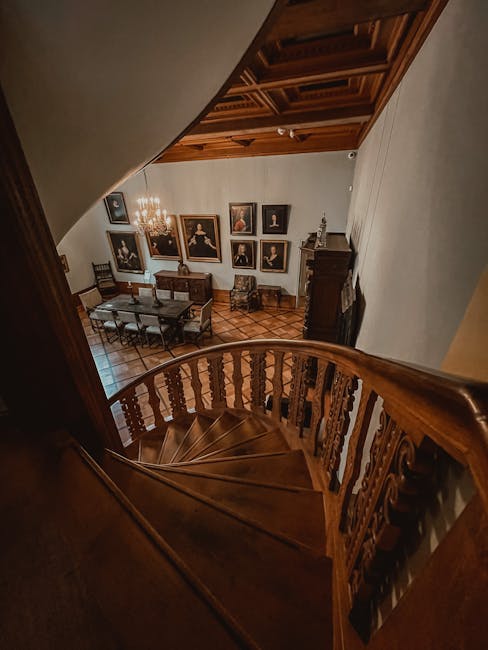
Huis Marseille is housed in a 17th-century canal house and showcases rotating exhibitions of contemporary and historical photography. The atmosphere feels like a modern cabinet of curiosities: each room presents carefully curated work, often focused on emotional or documentary themes. The human scale of the space allows for contemplative viewing, far from the bustle of larger institutions.
Exhibitions range from portrait and landscape to documentary work, and the display approach encourages close encounters with the images. The museum shop stocks a curated selection of photography books.
Local tip: Check the program before you go to target the most relevant shows. The house itself is worth photographing from the bridge opposite to capture its façade and canal light.
9. Brouwerij ‘t IJ — Craft brewery by a windmill
Name : Brouwerij ‘t IJ
Address : Funenkade 7, 1018 AL Amsterdam (next to the De Gooyer windmill, Funenkade 4)
Price : Beers €3.50–€6.50 per pint/33cl depending on type; brewery tours (by reservation) €10.00–€15.00.
Opening hours : Brewery open daily 13:00–20:00; bar hours and tours vary by season (sometimes later on weekends).
Sitting at the foot of the De Gooyer windmill, Brouwerij ‘t IJ is a beloved local craft brewery known for its unfiltered beers and traditional recipes. The vibe is relaxed: a large sunny terrace in summer and a simple, friendly interior in winter. Signature brews include the IPA Zatte and the blonde Natte, along with limited editions.
The guided tour (usually in Dutch/English) walks you through the brewing process and ends with a tasting. For beer lovers, it’s a must-stop to sample local products in a historic setting.
Local tip: Book a tasting late afternoon to enjoy the terrace. Pair your visit with a walk around the De Gooyer windmill and head to Zeedijk neighborhood for dinner afterwards.

10. De Hallen Amsterdam — Local cultural hub and food hall
Name : De Hallen Amsterdam
Address : Hannie Dankbaarpassage 47, 1053 RT Amsterdam (Oud-West neighborhood)
Price : Building access is free; food and workshops vary: street food €6.00–€15.00, The Movies cinema around €9.50–€12.00.
Opening hours : Foodhall 10:00–22:00; shops and workshops follow individual schedules; check The Movies program for film times.
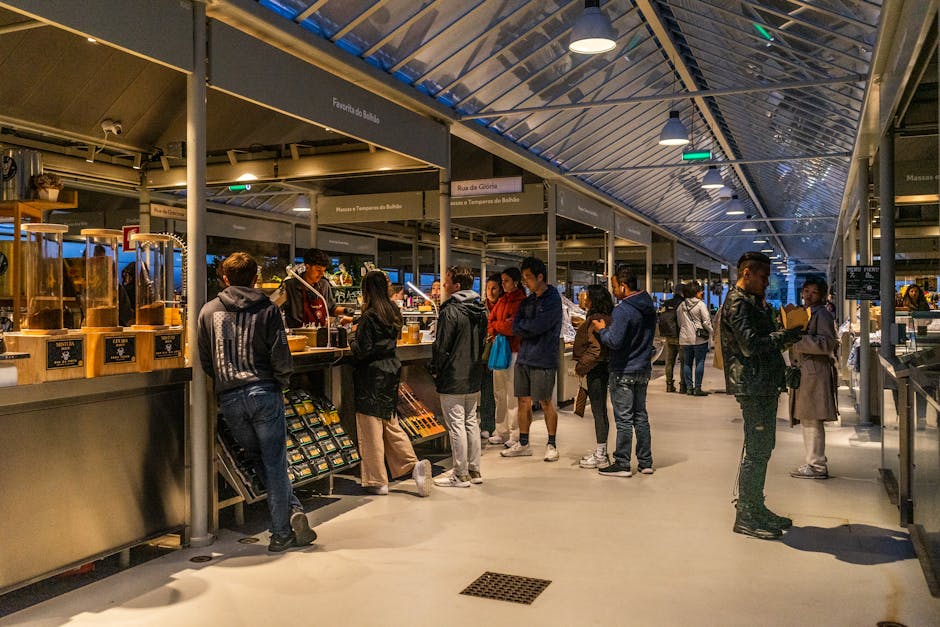
De Hallen is a converted tram depot turned multi-purpose cultural center: a large food hall offering global cuisines, exhibition rooms, an arthouse cinema, a design shop and artisan workshops. The space provides a convivial, local experience — perfect for sampling different foods (Indonesian, modern Dutch, craft burgers, pastries) under one roof.
Weekend markets and temporary exhibitions draw both locals and visitors. The atmosphere is warm with an industrial wink that nods to the building’s past.
Local tip: For lunch, avoid peak hours (13:00–14:00) and opt for morning or late afternoon. After eating, check out the cinema or browse the design shops for original souvenirs.
Conclusion — Amsterdam reimagined: tips to keep exploring
Amsterdam is full of offbeat spots that reveal unexpected sides of the city. The ten sites here present a varied panorama: microscopic science at Micropia, the gentle rescue haven of De Poezenboot, the botanical calm of Hortus, the fluorescent art of Electric Ladyland, NDSM’s raw creativity, the intimate worship space of Ons’ Lieve Heer op Solder, a cultural circuit in Plantage, contemplative photography at Huis Marseille, craft beer tasting at Brouwerij ‘t IJ and communal dining at De Hallen. Each place helps you understand Amsterdam’s soul beyond classic tourist routes.
To extend your exploration, practical tips: combine multiple visits in the same area to reduce travel time (for example Micropia + Hortus + Verzetsmuseum in Plantage). Favor gentle transport: bike (rentals from €7.00–€12.00 per day depending on quality), tram or the free ferry to NDSM to save time and stress. Book guided tours and workshops in advance where possible, especially in summer. Always carry a small amount of cash for micro-museums that sometimes prefer cash payments (Electric Ladyland, for example).
Seasonality affects the experience: Hortus is especially lovely in spring and summer, NDSM hosts many summer festivals, and Brouwerij ‘t IJ is best enjoyed in sunny weather. Many institutions change hours or close for national holidays (like Koningsdag); always check online before you go.
These places invite you to a more intimate, curious and local Amsterdam. Take your time, be open to surprises and adopt an exploratory mindset — sometimes the best discoveries come from an improvised detour. If you’d like, I can now map out a detailed one-day or weekend itinerary combining several of these spots with optimized timings and dining options. Want a bike itinerary for one day covering 3–4 of these places?