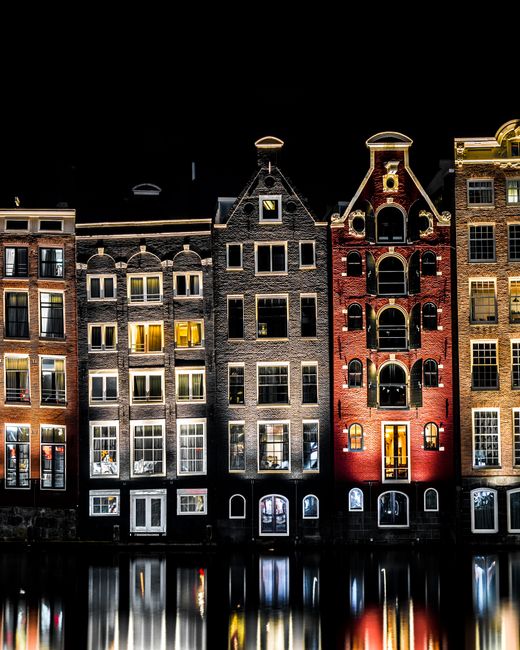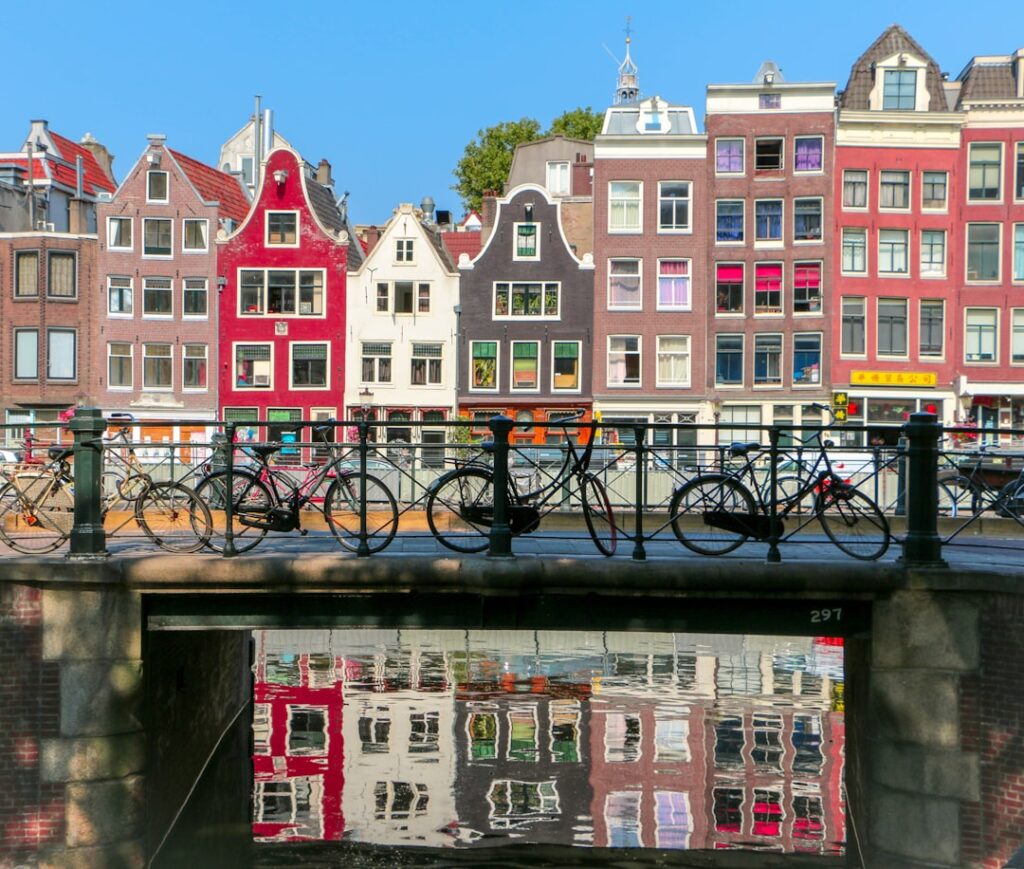






Introduction — 48 Hours in Amsterdam on a Budget: Planning and Mindset
Amsterdam is a compact city brimming with culture, scenic canals and one-of-a-kind experiences. Making the most of 48 hours without breaking the bank takes a bit of planning: pick the highlights, streamline how you get around, and know where to save without losing authenticity. This guide is aimed at resourceful travelers who want to see the essentials — gabled houses, top museums, lively markets, bike rides and a canal cruise — while keeping costs under control. It includes specific addresses, suggested times, typical prices in euros and local tips to avoid tourist traps.
Before you go, keep a few simple rules in mind: favor walking in the center to soak up the atmosphere, buy skip-the-line tickets for popular museums only if you really want to go in, use GVB tickets to make tram/bus/metro travel efficient, and book accommodation in well-connected but less central neighborhoods (for example De Pijp, Oost or Sloterdijk). Hostels, small family-run hotels and some private apartments often offer great value. Eating at markets, local cafés or grabbing street food (broodje haring, stroopwafel, Dutch fries) keeps your food budget reasonable without skimping on local flavors.
This guide lays out a day-by-day 48-hour itinerary with budget-friendly alternatives, practical details (exact addresses, suggested hours, prices in euros) and recommendations for each part of the day. The focus is on an immersive experience: where to admire façades, which quays are best for photos, when to avoid crowds, and tasty little stops that let you sample Amsterdam without overspending. Local tips will help you save time and money — for instance, where to find a reliable cheap bike, how to use an OV-chipkaart or GVB tickets, and how to take advantage of free or reduced-price museum options.
This article also includes visual cues 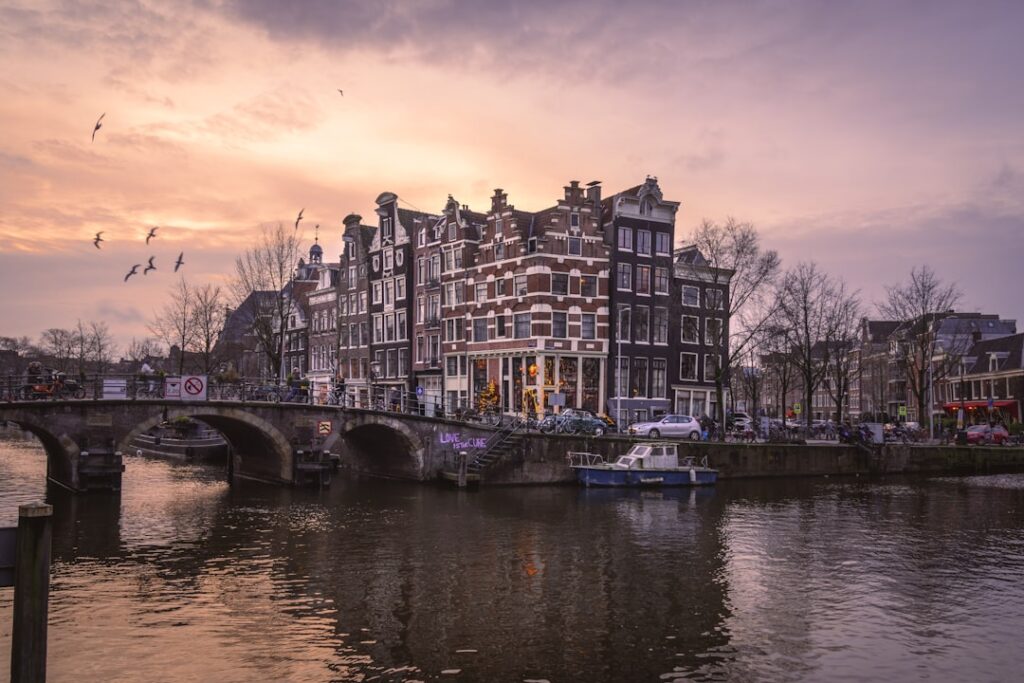 to help you picture the places before you arrive. It’s designed to be mobile-friendly during your trip: save the addresses and opening hours, and adapt in real time based on weather and crowd levels. Ready for two efficient, budget-friendly days in Amsterdam? Let’s go.
Day 1: Historic Center, Canals and Must-See Museums (Morning & Afternoon)
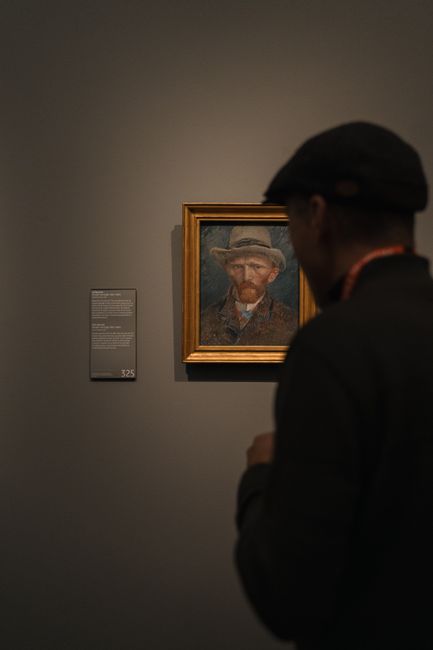
Start your first day in Amsterdam’s historic heart to capture the city’s spirit. Begin early at the Rijksmuseum (national museum), Rijksmuseum, Museumstraat 1, 1071 XX Amsterdam. Opening hours: typically 09:00–17:00 every day. Price: adult ticket around €22 (book online to skip the line). The museum hosts a masterful collection of Dutch paintings, including Rembrandt’s The Night Watch. Plan 1.5–2 hours if your time is tight; focus on the « Golden Age » galleries and the decorative arts for a good overview.
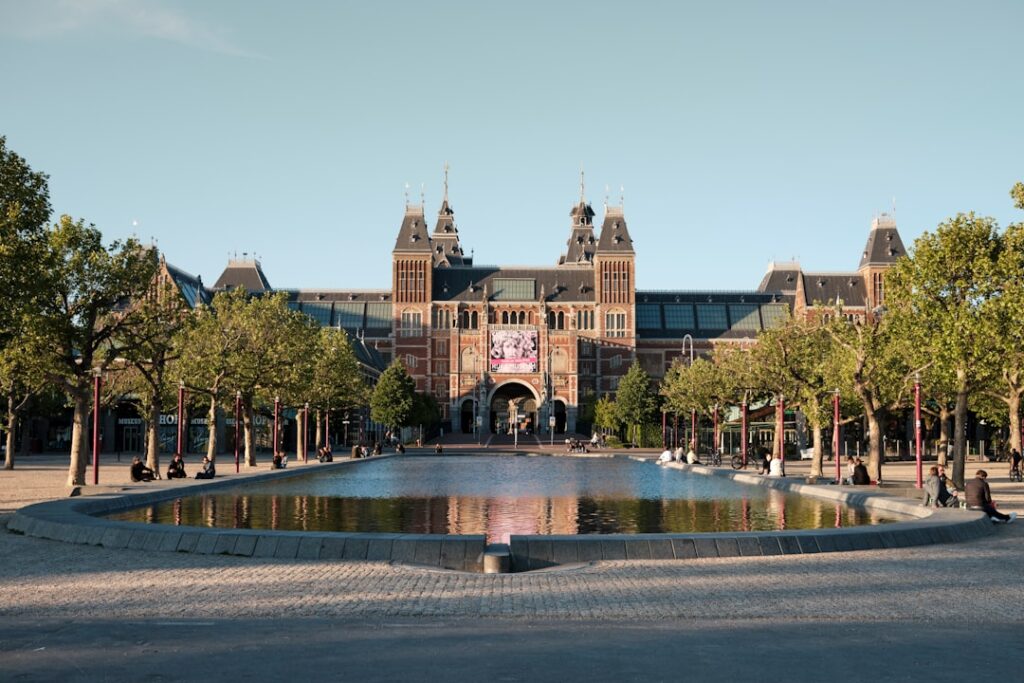
Next, walk over to Museumplein where the Van Gogh Museum and the Stedelijk Museum are also located. If you’re watching your budget, pick just one major museum (Rijksmuseum or Van Gogh Museum). Van Gogh Museum, Museumplein 6, 1071 DJ Amsterdam, hours: 09:00–18:00, Price: around €20 for an adult ticket. Timed-entry reservations are often required.
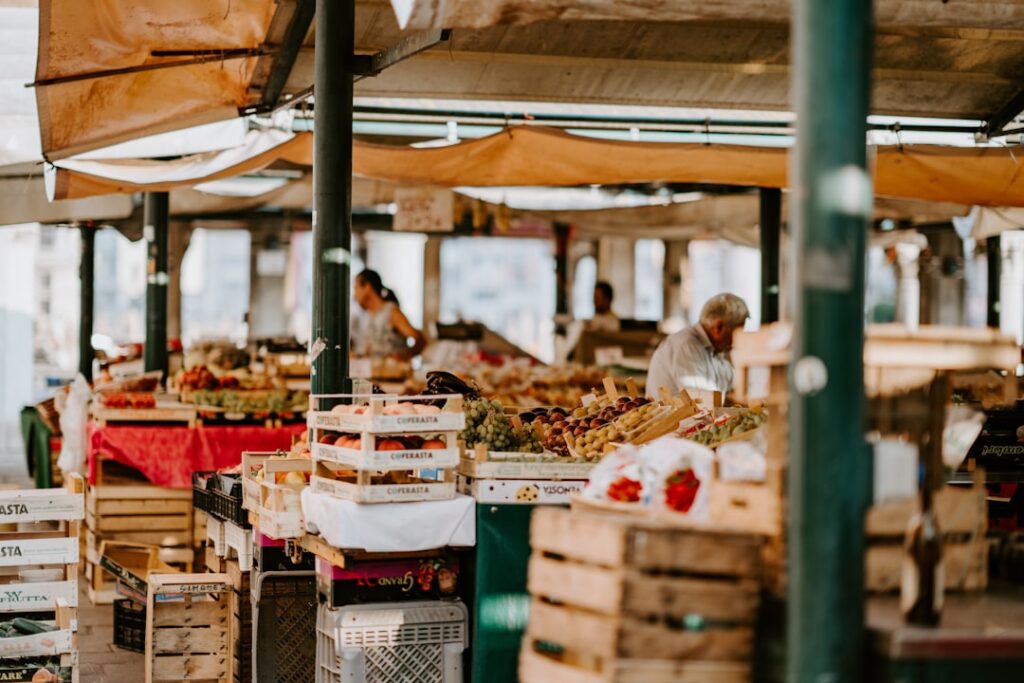
For an affordable lunch, head to the Albert Cuyp Market (Albert Cuypstraat, 1073 BD Amsterdam). This street market is open Monday to Saturday, generally 09:00–17:00. Try a broodje haring (herring sandwich) for about €3–€5 or a pancake and a fresh stroopwafel for €2–€4. Afterwards, wander around De Pijp to stroll off your meal between shops and local cafés.
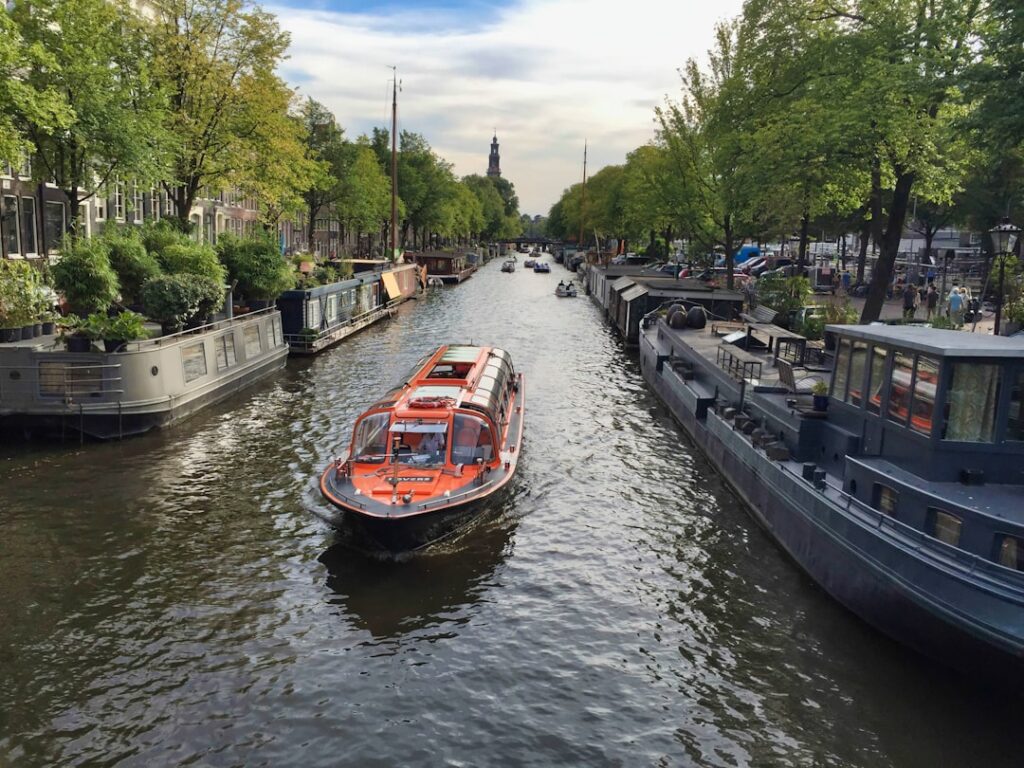
If you want a classic but budget-friendly experience, book a short canal cruise. Blue Boat Company, main boarding point Stadhouderskade 501, 1071 ZD Amsterdam, offers a narrated cruise of about 75 minutes for roughly €18–€22. Departures every 30–60 minutes depending on the season; hours vary (typically 10:00–20:00). Cheaper options: go with a smaller local operator offering half-hour tickets or simply follow a recommended self-guided walking route along the canals for a free alternative.
Practical tips: arrive early at the Rijksmuseum to beat the crowds, wear comfortable shoes (cobblestones near canals can be slippery) and buy museum tickets online where possible to save time.
Day 2: Authentic Neighborhoods, Markets, Biking and an Economical Evening
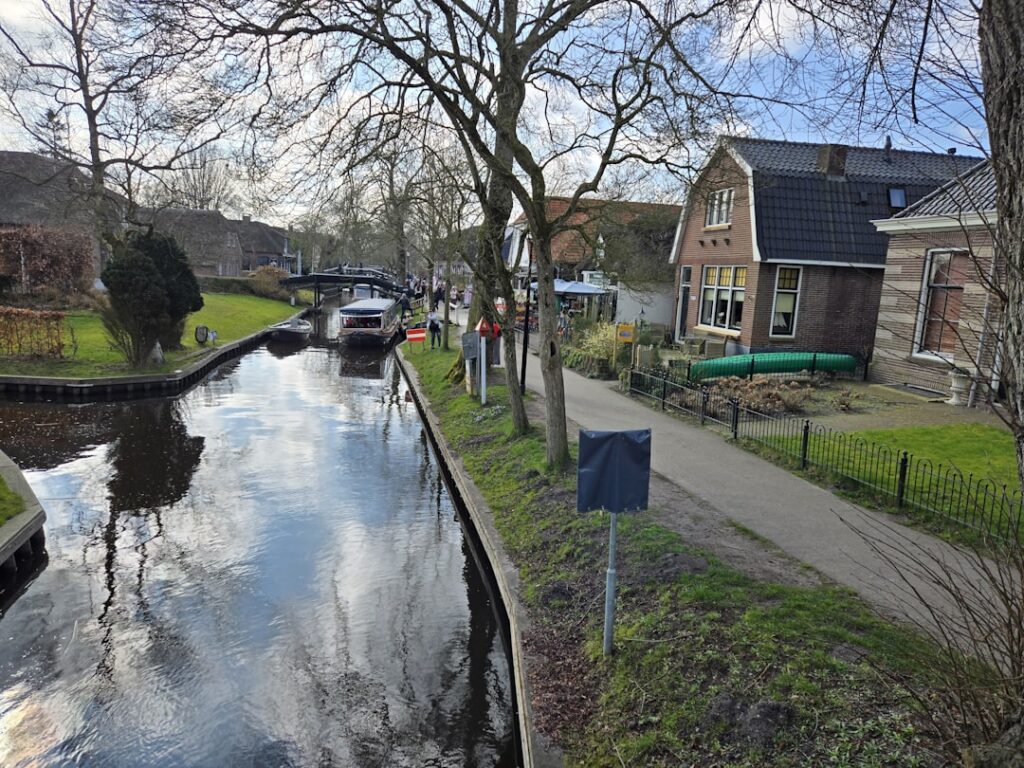
Start day two in the Jordaan, one of Amsterdam’s most charming districts. Wander along narrow canals, cross quaint bridges and admire the slim gabled houses. For a memorable visit, see the Anne Frank House, Anne Frank House, Prinsengracht 263-267, 1016 GV Amsterdam. Opening hours vary by season, often 09:00–22:00 in high season. Price: adult ticket about €14. Important: the house is very popular and tickets sell out in advance — reserve a timed slot if you want to go inside. Otherwise, the exterior and the neighborhood are worth the visit on their own.
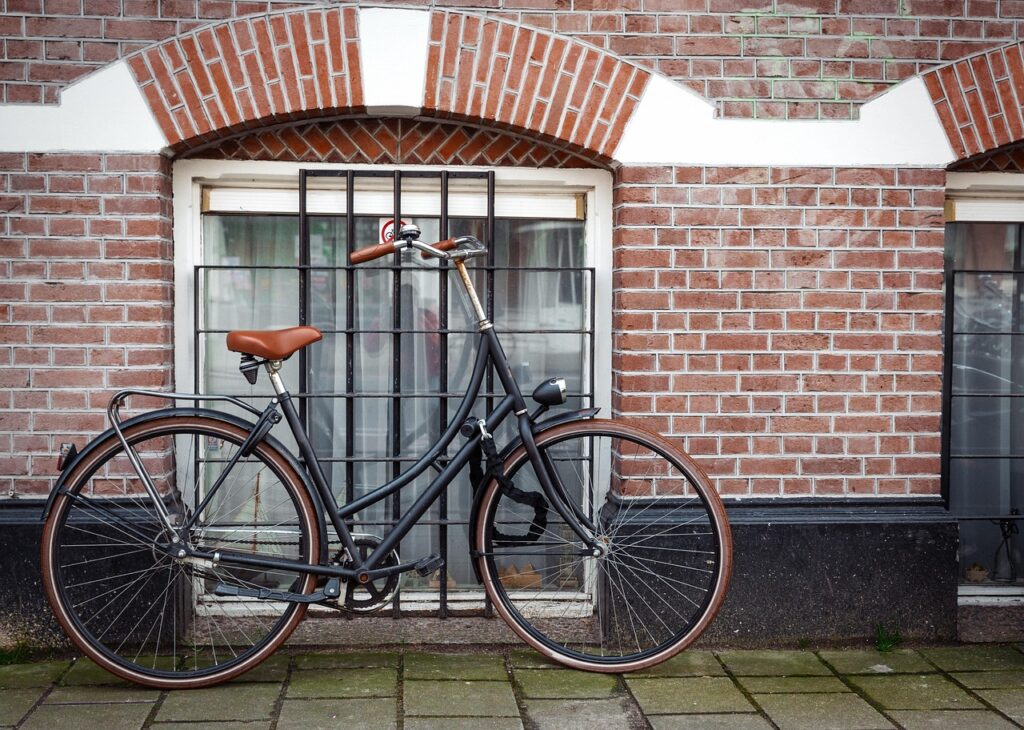
For a true local experience on a budget, rent a bike for the day. MacBike has a central location at Damrak and other pickup points: e.g. MacBike Damrak, Damrak 38–40, 1012 LG Amsterdam. Indicative rates: €8–€12/hour or €12–€18/day depending on season and bike model. Biking is the most « Amsterdamesque » way to get around — be alert in traffic and stick to bike lanes. Cycling lets you cover ground quickly and explore places like Vondelpark (Vondelpark entrance near Vondelstraat) — great for an inexpensive picnic.
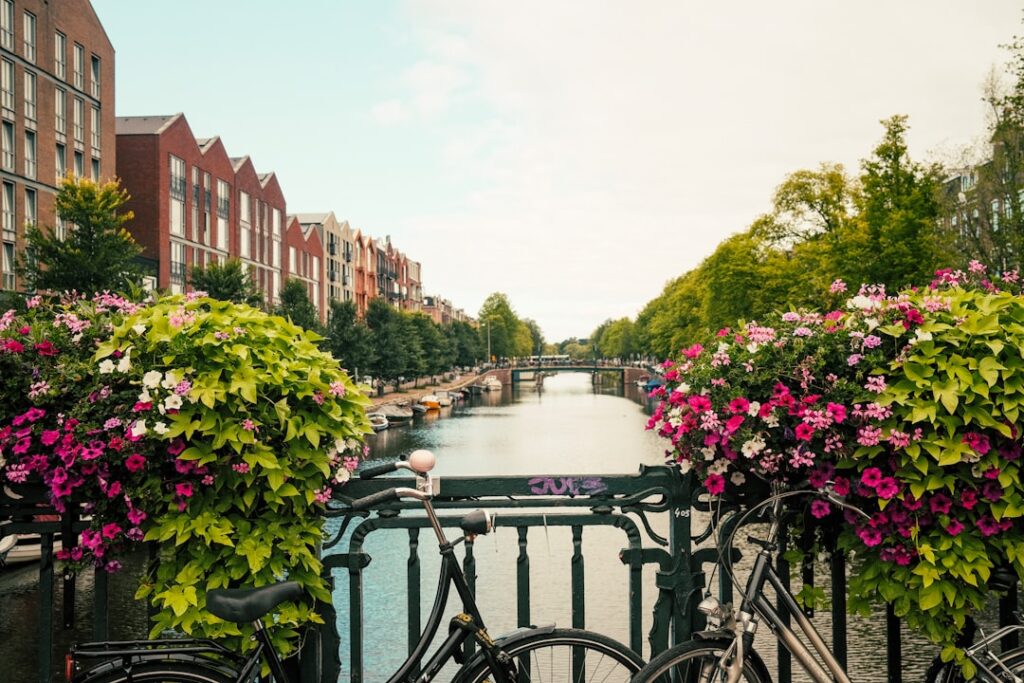
For lunch, check out the covered market Foodhallen, Bellamyplein 51, 1053 AT Amsterdam (open roughly 12:00–02:00 depending on the day). You’ll find quality dishes at reasonable prices: tacos, falafel, tapas and local beers; expect about €6–€12 per dish. If you want something more typical and even cheaper, hunt for local broodjes and fry stands: a portion of fries costs around €3–€5.

Late afternoon, head to De Negen Straatjes (The Nine Streets) for smart shopping and cozy cafés. It’s a great spot to buy souvenirs outside the usual tourist shops and to browse independent designer windows. For an economical evening, pick a local pub or neighborhood bar — for example Café Belgique, Gravenstraat 2, 1012 NM Amsterdam, known for its affordable beer selection; expect a beer for about €4–€6.
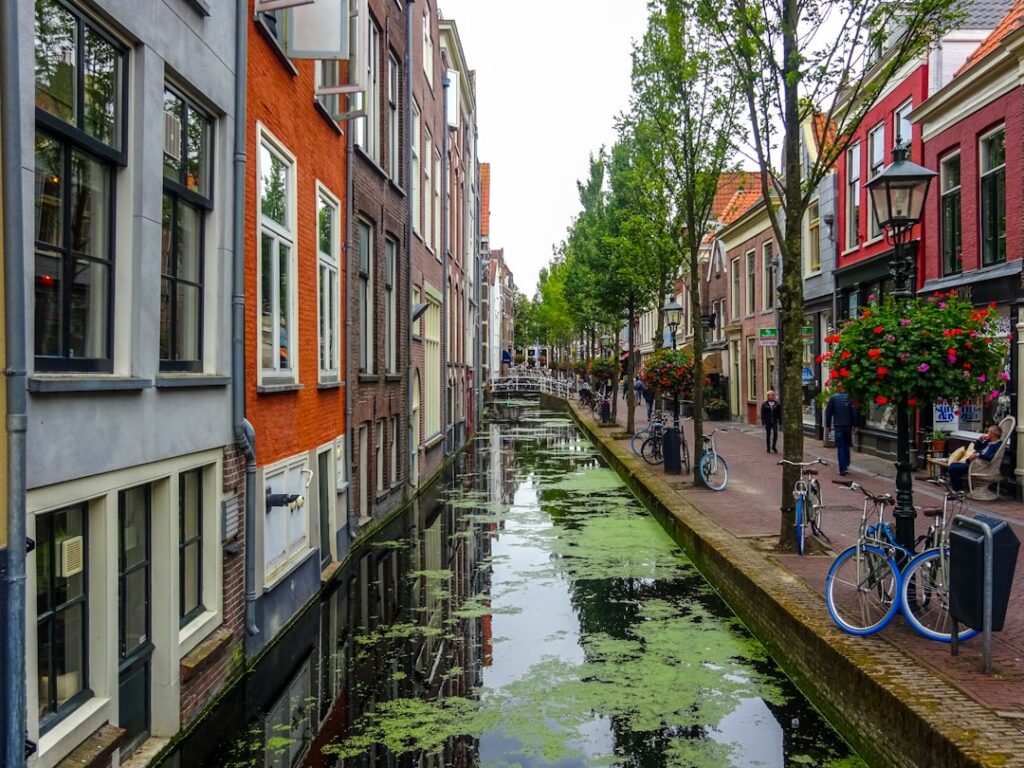
Tips: to save more, assemble a Dutch-style dinner with cheese and bread from a grocery store, or take advantage of early-bird menus (often cheaper). Happy hours and evening menus in cafés around the Jodenbuurt can offer excellent value.
Transport, Budget Accommodation and Money-Saving Tips
Getting around smartly is key to sticking to a budget in Amsterdam. The GVB network (trams, buses, metro) offers day tickets. Indicative fares: 24-hour GVB ticket around €9.50, 48-hour ticket roughly €17–€18. Buy these tickets at station machines, GVB counters or via the GVB app. The OV-chipkaart is a reusable smart card; for a short stay, GVB day tickets are often more convenient and cost-effective.
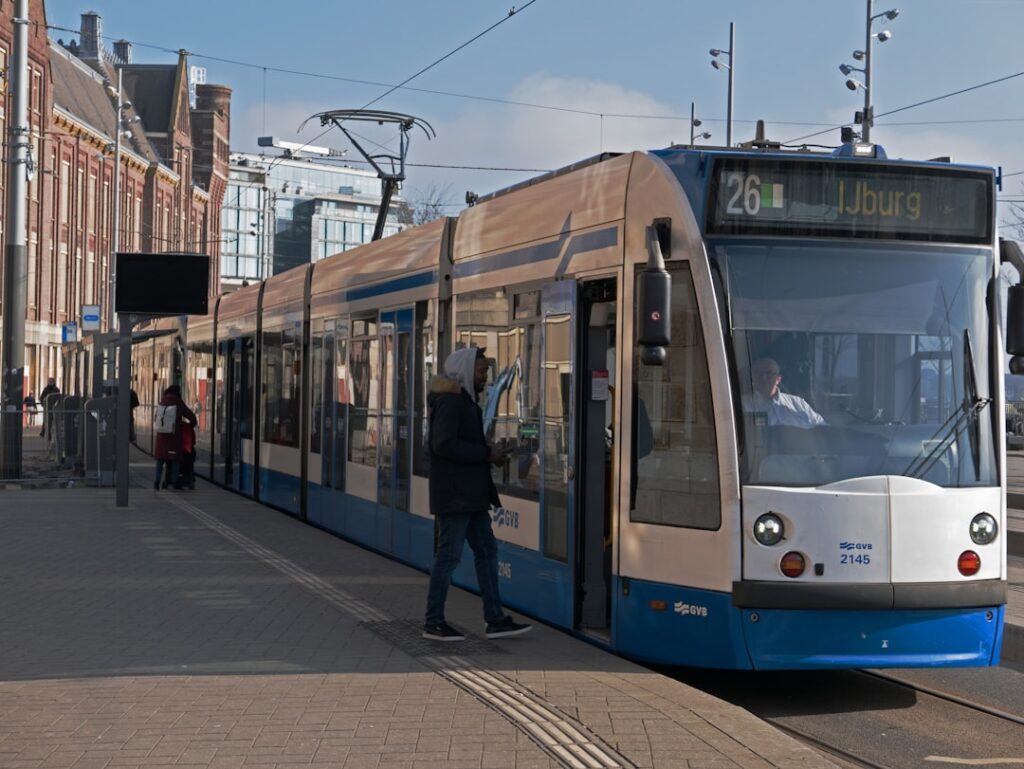
Budget places to stay: look for hostels like Stayokay Amsterdam Vondelpark, Zandpad 5, 1054 GA Amsterdam (dorms and private rooms; dorm beds from around €25–€35/night off-season), or small 2–3 star hotels in De Pijp and Oost (double rooms often €70–€120/night depending on dates). Apartment rentals can sometimes be a good deal for two people if you cook a bit (Airbnb fees and cleaning vary).
Practical budget tips:
- Plan and book must-see museums in advance to avoid price hikes and wasted time.
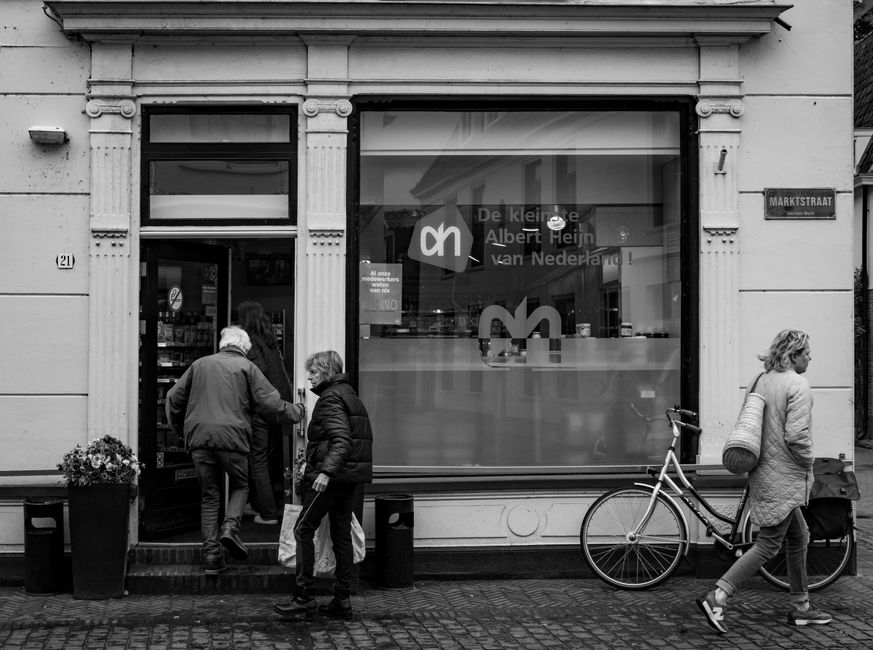
- Cook or picnic at lunch: supermarkets like Albert Heijn have fresh, cheap options (sandwiches €2–€5).
- Avoid restaurants on the canals: prices are higher; walk two blocks away to find local prices.
- Buy a museum pass only if you’ll visit several paid museums — do the math, because sometimes individual tickets are cheaper.
Small Local Pleasures and Free or Low-Cost Alternatives
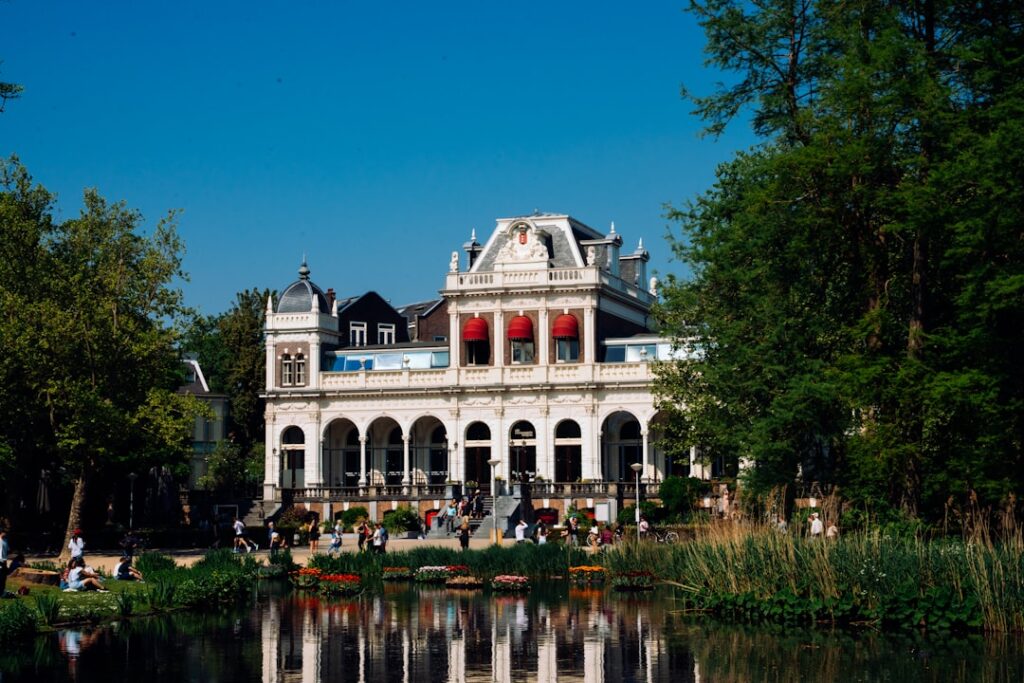
Amsterdam has plenty of free or low-cost activities that enrich your trip without blowing the budget. Start with a walk in Vondelpark (free entry), the large city park perfect for relaxing, picnicking or watching open-air concerts in summer. General address: Vondelpark, Amsterdam.
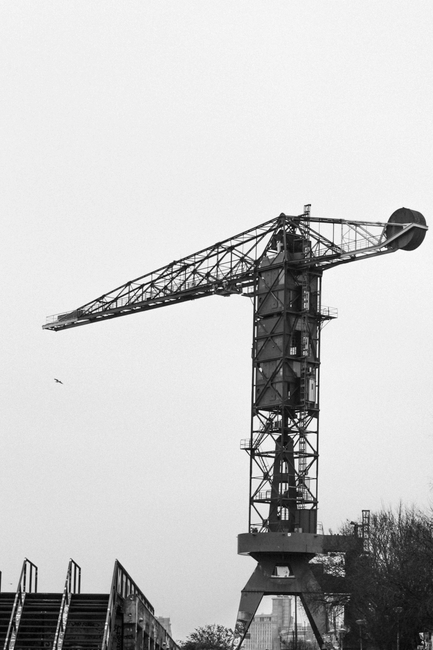
Explore Noord (North) by taking the free ferry from Central Station (Ferry IJ toward NDSM). The ferry is free for pedestrians and bikes, offers a nice view of the city and takes you to a former shipyard turned arts hub: the NDSM-werf area (address: NDSM-plein, 1033 WB Amsterdam). It’s perfect for street art, alternative cafés and gritty, photogenic industrial scenery.
For budget art, look for temporary exhibitions, independent galleries or free events. Many cafés host acoustic concerts with no cover or a voluntary contribution. Finally, sample affordable local specialties:
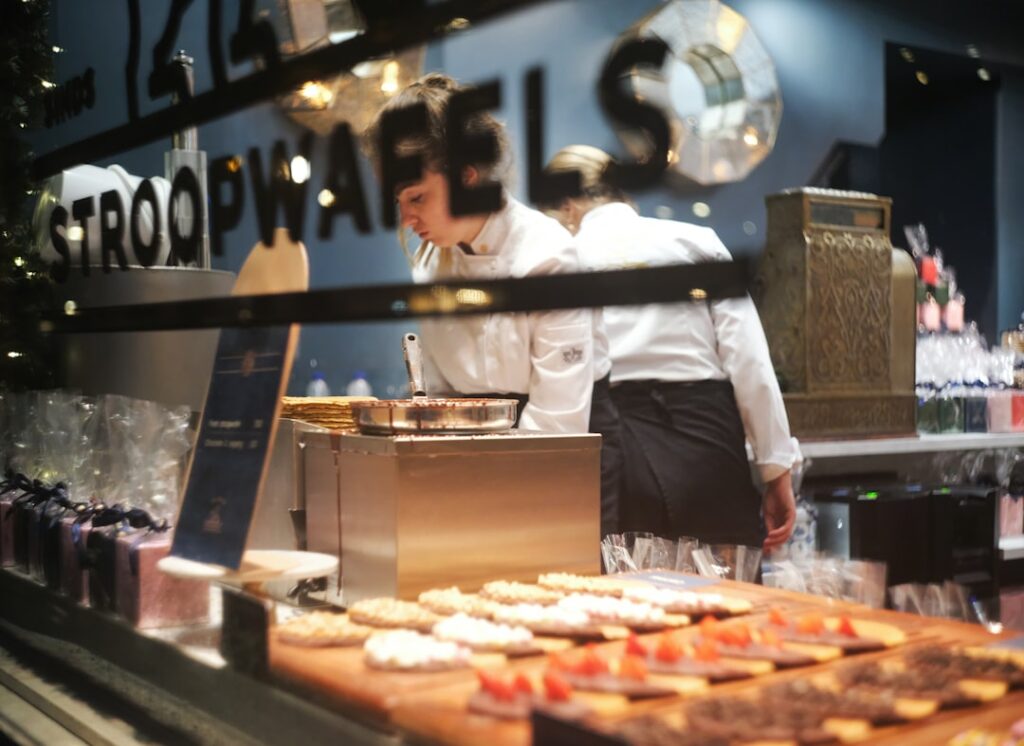
- Fresh stroopwafel: about €2–€3.
- Broodje haring: €3–€5.
- Portion of fries « patat »: €3–€5.
Local tips: avoid taxis (they’re expensive), favor public transport or bikes; don’t buy touristy items in shops near Central Station (prices are inflated); chat with locals in neighborhood cafés for insider tips. Above all, take time to wander: Amsterdam reveals its charms in the details — a flower-filled balcony, an old houseboat, a tiny café with water views.
Conclusion — Make the Most of 48 Hours in Amsterdam Without Overspending
In 48 hours you can absolutely cover Amsterdam’s essentials without blowing your budget by combining key museums, canal-side walks, local markets, a bike rental and a few classic inexpensive bites. The secret is planning: reserve popular paid attractions online (Rijksmuseum, Van Gogh Museum, Anne Frank House), buy the right transport tickets (24h/48h GVB) and favor market meals or small local spots. Well-located hostels or neighborhood hotels offer budget-friendly overnight options, while walking and biking save time and help you live like a local.
Plan your days but leave windows for aimless wandering and photos. Use the list of addresses and prices here to compare and book ahead when needed. Remember opening hours can change with the season and public holidays: always check official websites before you go. And leave room for the unexpected — a pop-up exhibition, a neighborhood market or surprising weather — those are often the most memorable moments. Amsterdam lends itself to a slow discovery even in 48 hours: a few smart bookings and money-wise habits will send you home with great memories and no budget regrets.