





Introduction — Where to stay in Amsterdam: picking the right neighborhood
Amsterdam is compact but incredibly varied, with each neighborhood offering its own personality, vibe and practical perks. Whether you’re a budget solo traveler, a family looking for calm and museums, a couple after a romantic getaway, or a professional on a short business trip, where you sleep will shape your experience. This guide walks you through Amsterdam’s main neighborhoods and helps you find accommodation, useful addresses, price ranges and local tips tailored to different traveler types so you can make the most of your stay.
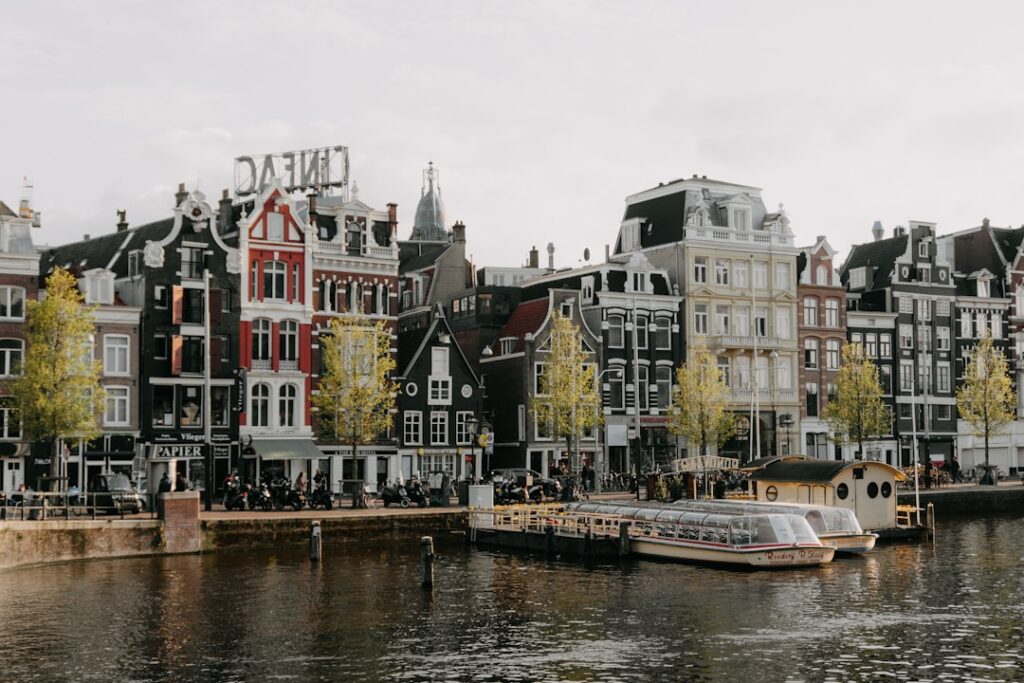
The city is built around concentric canals, frequent trams and ubiquitous bike lanes. Distances are short: from the center to Museumplein it usually takes less than 20 minutes by bike. Still, the atmosphere shifts dramatically from one neighborhood to another. The historic center (Centrum) includes Amsterdam Centraal station, Dam Square and the famous De Wallen (Red Light District), which contrasts strongly with residential areas like Jordaan, known for its narrow streets and cosy cafés, or De Pijp, buzzing with markets and multicultural restaurants. Amsterdam Noord, across the IJ, brings an alternative arts scene and industrial lofts, while Plantage charms families and nature lovers with Artis, the historic zoo.
In this guide I detail each neighborhood’s character, list specific hotels and hostels with addresses and indicative prices in euros, provide practical times (check-in/check-out, opening hours of sights), and give concrete recommendations: tram lines to favor, ferry routes, tips to avoid overly touristy zones at night, and where to find the best local breakfasts. You’ll also find mobility tips (OV-chipkaart map, average tram fare), seasonality advice (high season: April–September, tulips in April) and info on local taxes (city tax is often 3–8% or a fixed amount per night depending on the property).
I’ve included visual cues throughout to help you picture each spot: canals at dawn, lively street markets, narrow gabled facades, industrial quays turned into trendy bars. These notes can also help you plan your photo itinerary. Whether you prefer historic charm, a lively nightlife, world-class museums or a calm, green stay, this guide will help you choose the right neighborhood to drop your bags in Amsterdam.
Centrum & De Wallen (Red Light District) — Be in the heart of the action
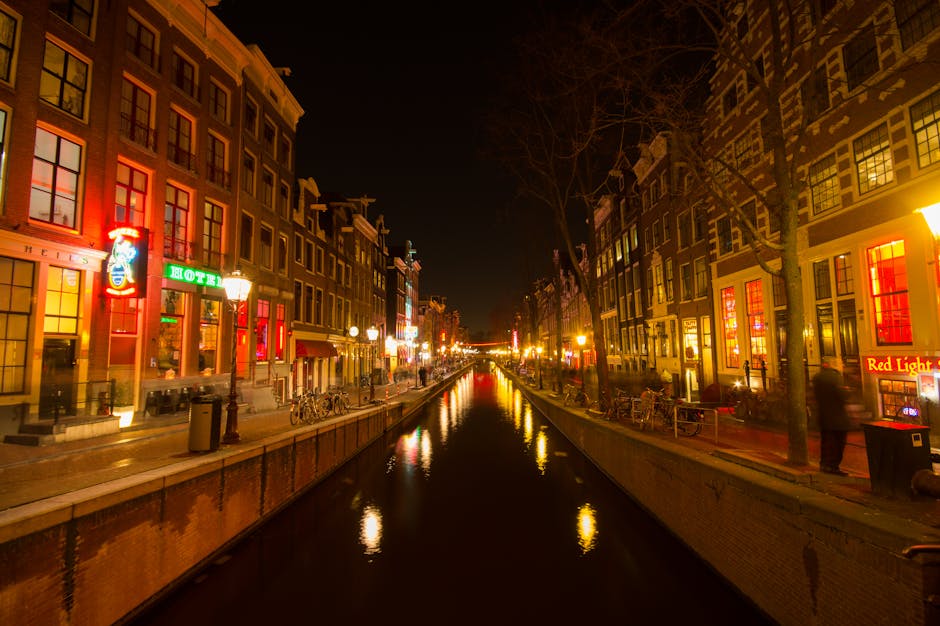
Centrum brings together Amsterdam Centraal station, Dam Square, the historic canals and the famous De Wallen — internationally known as the Red Light District. Staying here means you’re within walking distance of the main attractions: the Royal Palace, Oude Kerk, floating flower markets and a huge selection of bars and restaurants. It’s ideal if your time is limited and you want to pack in as much sightseeing as possible.
Sample accommodations:
- Park Plaza Victoria Amsterdam — Damrak 1-5, 1012 LG Amsterdam. Double rooms from ≈ €150/night in low season, ≈ €220 in high season. Check-in: 15:00, check-out: 12:00. Amenities: Wi‑Fi, bar, breakfast buffet (€14.50). 3 minutes on foot from Amsterdam Centraal.
- Hotel Estheréa — Singel 303-309, 1012 WJ Amsterdam. Double rooms from ≈ €180/night. Breakfast buffet €18.00. Traditional atmosphere with decorative moldings and wood panelling.
- ClinkNOORD (ferry required) — hostel nearby but practical if you prefer to stay on the Noord side; alternatively, Centrum dorm options include Stayokay Amsterdam Vondelpark for a quieter stay.
Hours and practical tips:
- Attraction: Oude Kerk — Oudekerksplein 23, 1012 GX Amsterdam. Open daily; hours vary (generally 10:00–17:00). Entry around €10.
- Transport: Amsterdam Centraal is the main hub. Tram lines 2, 12, 13, 17 serve Centrum. A single GVB ticket costs about €3.50 (1 hour) if bought on board; it’s better to use a rechargeable OV‑chipkaart (initial cost + top-up).
- Safety: De Wallen is very touristy and lively at night. Window displays and public alcohol consumption can make it noisy; great for party-goers, less so for families. Pickpocketing occurs — keep your belongings close.
- Local tip: book early if you want a canal-facing room; those sell out 3–6 months in advance during high season (April–September).
Jordaan & De Negen Straatjes (Nine Streets) — Historic charm and cosy cafés
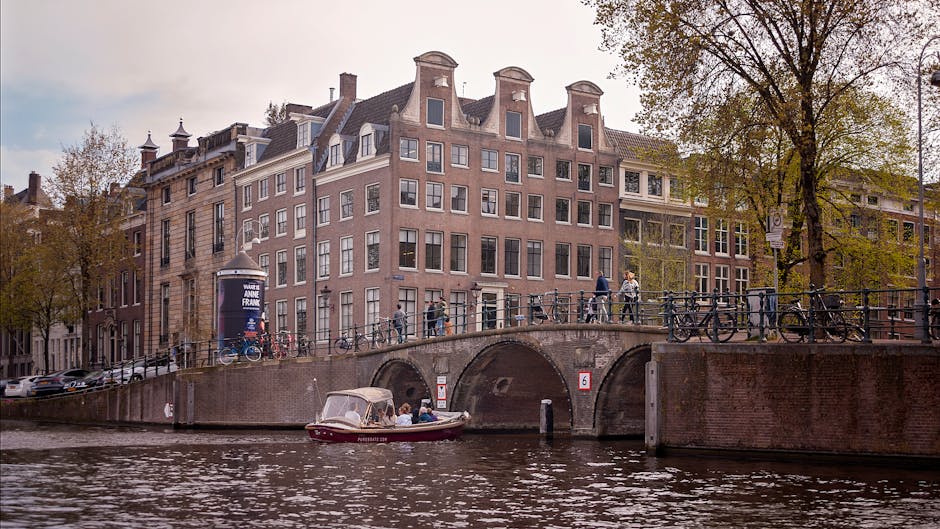
The Jordaan neighborhood is often described as the most “Amsterdam” of areas: narrow canals, 17th‑century houses, art galleries and cosy cafés. West of the Centrum, Jordaan and the nearby Negen Straatjes (Nine Streets shopping area) offer a more local experience, perfect for couples and travelers seeking authenticity. The streets are cobbled and car traffic is limited, making strolls especially pleasant.
Recommended places to stay:
- The Hoxton, Amsterdam — Herengracht 255, 1016 BJ Amsterdam (close to Jordaan). Rooms from ≈ €200/night. Check-in: 15:00. À‑la‑carte breakfast, trendy ground‑floor bar.
- Hotel Pulitzer Amsterdam — Prinsengracht 323, 1016 GZ Amsterdam. Suites and rooms in a cluster of historic canal houses. Price ≈ €300/night for a double in mid season.
- Budget: Cocomama — Prinsengracht 585, 1016 HJ Amsterdam. Apartments and private rooms from ≈ €90–130/night depending on season.
Addresses and experiences:
- Anne Frank House — Westermarkt 20, 1016 GV Amsterdam. Booking online is strongly recommended; hours: 09:00–22:00 in high season. Entry about €14. Reserve several weeks in advance.
- Shops: De Negen Straatjes (Reestraat, Hartenstraat, Gasthuismolensteeg) generally open 10:00–18:00, with some stores open until 20:00 on Fridays.
Local tips:
- Noordermarkt flea market runs Saturday mornings (Noordermarkt, 09:00–13:00): vintage clothing, local produce and a friendly atmosphere.
- If you want to dine in a small restaurant, book for 19:00; many spots fill up with locals on weekend nights.
- Transport: some bridges and alleys can be awkward with heavy suitcases; choose a ground-floor room if you have large luggage.
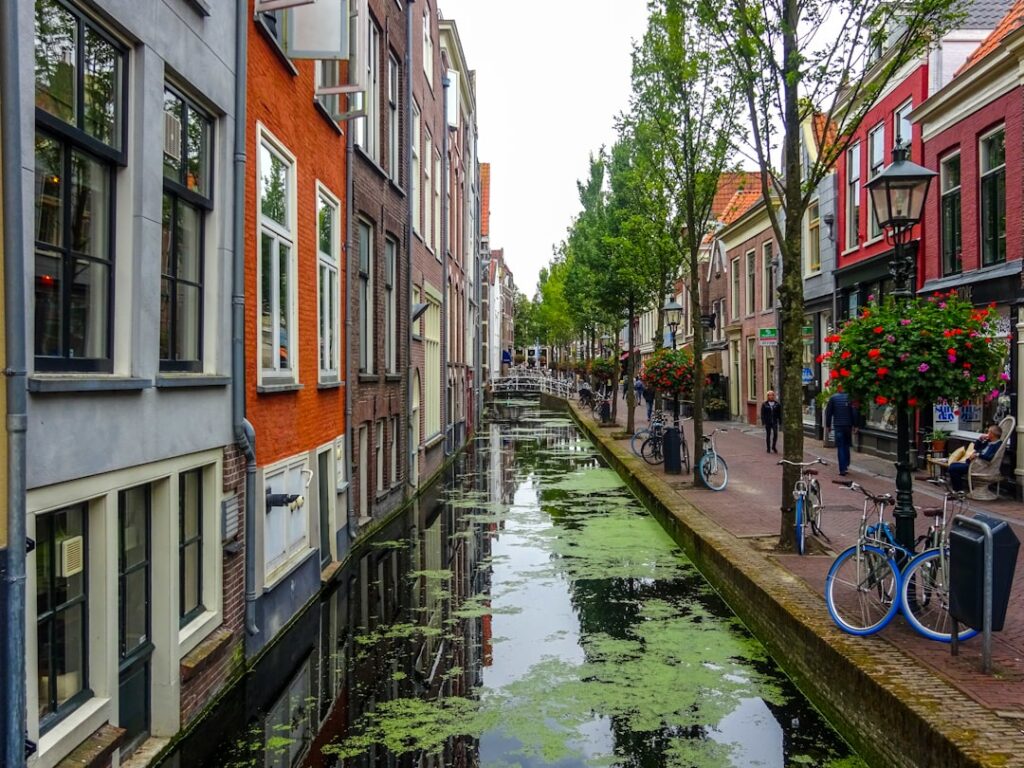
De Pijp & Museumplein — Markets, museums and great food
De Pijp is Amsterdam’s bohemian neighborhood, famous for the Albert Cuyp Market, multicultural cafés and a wide restaurant scene. A short walk away is Museumplein, home to the Rijksmuseum, Van Gogh Museum and Stedelijk — a cultural cluster ideal for art lovers and families. Staying between De Pijp and Museumplein is perfect if you want to combine museums, eating well and neighborhood life.
Notable places to stay:
- Hotel Okura Amsterdam — Ferdinand Bolstraat 333, 1072 LH Amsterdam. 5‑star hotel, rooms from ≈ €260–350/night. Check-in: 15:00. Several starred restaurants on site (tasting menus ≈ €95–160 per person).
- Sir Adam Hotel — Overhoeksplein 7 (north of the river, reachable by ferry), double rooms ≈ €140–220/night.
- Budget: Stayokay Amsterdam Vondelpark — Zandpad 5, 1054 GA Amsterdam. Dorms from ≈ €25–40/night, private rooms ≈ €80–120.
Useful addresses and hours:
- Albert Cuyp Market — Albert Cuypstraat, 1073 BD Amsterdam. Open Monday–Saturday, 09:00–17:00. Food stalls, clothing and street specialties (stroopwafels, herring). No entrance fee.
- Rijksmuseum — Museumstraat 1, 1071 XX Amsterdam. Hours: 09:00–17:00 (some late openings). Adult ticket ≈ €22.
- Van Gogh Museum — Museumplein 6, 1071 DJ Amsterdam. Hours: 09:00–18:00 (seasonal variations). Adult ticket ≈ €20 (online booking recommended).
Practical tips:
- Museums often offer priority entry for online ticket holders. Allow 2–3 hours for the Rijksmuseum and 1.5–2 hours for the Van Gogh Museum.
- For a local breakfast, try Bakers & Roasters — Tweede van der Helststraat 27, 1072 NZ Amsterdam. Open 08:00–17:00.
- De Pijp is lively in the evenings with wine bars and local breweries. If you prefer quiet after 22:00, choose a hotel on the Museumplein side rather than on Albert Cuypstraat.
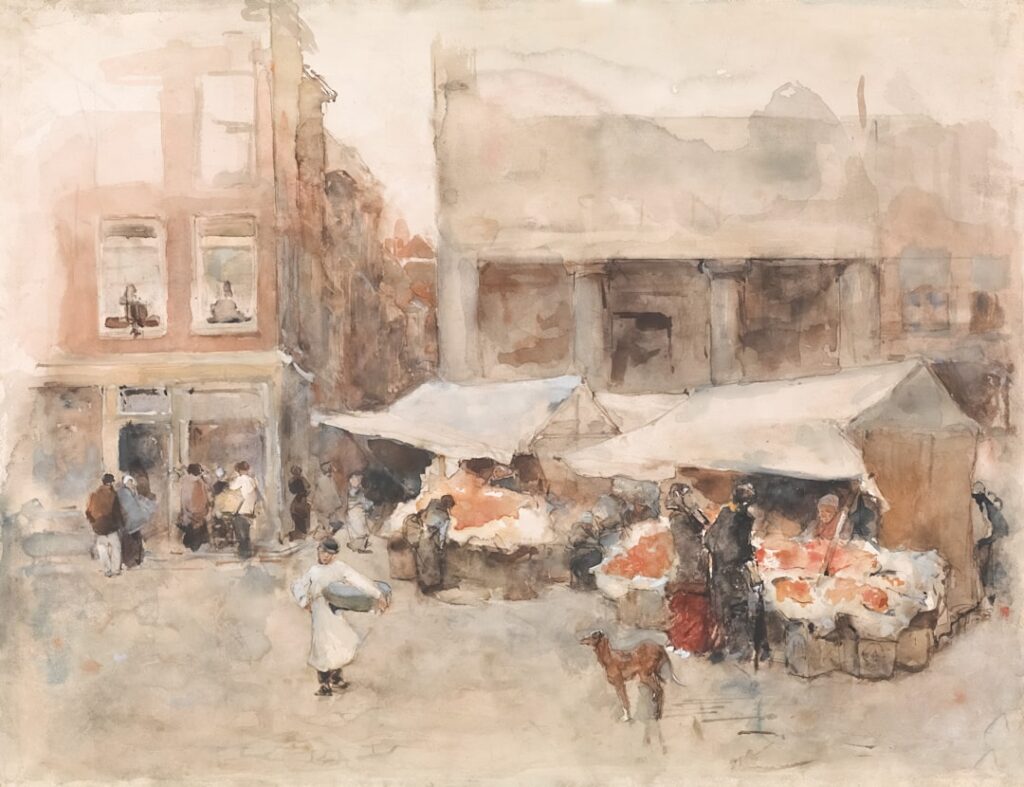
Amsterdam Noord & NDSM — Alternative scene and industrial lofts
Amsterdam Noord, across the IJ, has in recent years become a magnet for the creative scene, festivals and repurposed cultural spaces. Ferries from Amsterdam Centraal are free (IJ ferries, 24/7) and take 5–10 minutes. The NDSM Wharf (NDSM‑werf) offers bars, restaurants, galleries and accommodation in former warehouses. It’s a great option if you want something different, with more space and often lower prices than the historic center.
Accommodations and addresses:
- ClinkNOORD — Badhuiskade 3, 1031 KV Amsterdam. Dorms from ≈ €22–35/night, private rooms ≈ €80–120. Check-in: 15:00; check-out: 11:00. Young, social vibe with a bar and common areas.
- Hotel V Fizeaustraat (alternative) — near Noord by tram, but for NDSM favor Airbnb lofts on Javakade or NDSM‑plein — prices often €80–180 depending on size and season.
- Pllek — NDSM Plein 1, 1033 WC Amsterdam. Waterfront restaurant and bar in a former industrial area. Main dishes ≈ €12–22.
Activities and hours:
- NDSM Wharf — workshops, street art, markets. Many weekend events (check nDSM.nl for dates). The ferry from Amsterdam Centraal is free and runs all day and night (frequencies about every 10–20 minutes depending on time).
- NEMO Science Museum (near Centraal) — Oosterdok 2, 1011 VX Amsterdam. Hours: 10:00–17:30. Entry ≈ €17.50 for adults.
Local tips:
- If you arrive by car, Noord sometimes has cheaper accommodation rates and free/cheaper parking, but a car is more of a hindrance than a help in the city center.
- NDSM lofts often offer port views and terraces: perfect for photographers or anyone wanting more open space.
- Nightlife: NDSM has a strong music scene with clubs and festivals, but its nightlife tends to be event-driven rather than continuous like Centrum.
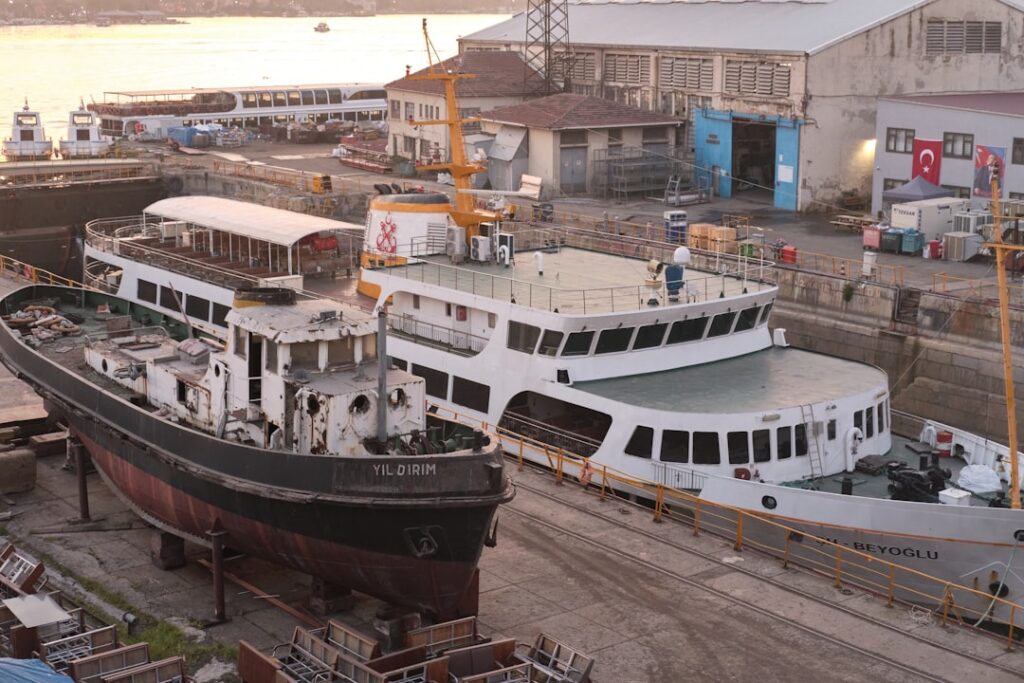
Plantage — calm, Artis and family vibes
Plantage is a quieter, greener neighborhood that’s perfect for families and visitors who want to be close to Artis (the zoo) and nature‑oriented museums. This area has a residential feel with peaceful cafés and tree‑lined streets; it’s close to the center but less noisy in the evenings.
Where to stay:
- Hotel Arena — ‘s‑Hertogenboschstraat 6, 1091 BP Amsterdam (near gardens and green squares). Rooms from ≈ €120–180/night.
- Ambassade Hotel — Herengracht 341, 1016 AZ Amsterdam (on the Plantage/Centrum border). Prices ≈ €160–240/night. Artsy atmosphere with a library on site.
Useful addresses:
- Artis Royal Zoo — Plantage Kerklaan 38-40, 1018 CZ Amsterdam. Hours: generally 09:00–18:00 (seasonal variations). Adult ticket ≈ €25.
- Hortus Botanicus — Oude Hortus 1-3, 1012 RM Amsterdam. Botanical garden, hours 10:00–17:00, ticket ≈ €10–12.
Practical tips:
- Plantage is family‑friendly: easy with strollers, playgrounds and family‑oriented cafés. Museums are walkable in 10–20 minutes depending on your exact location.
- For a quiet dinner, book at one of the restaurants around Plantage Middenlaan; they often close around 22:00–23:00.
- Transport: tram lines 9 and 14 serve Plantage, with direct links to Centraal and Museumplein.

Conclusion — Final tips to help you choose
Where to stay in Amsterdam mainly depends on your priorities: proximity to landmarks, local atmosphere, budget, nightlife or peace and quiet. For a short, active first visit, Centrum / De Wallen is convenient but noisy; Jordaan and the Nine Streets offer a more picturesque, intimate experience; De Pijp and Museumplein suit art and food lovers; Amsterdam Noord is great for those seeking originality and larger spaces; Plantage will appeal to families and visitors after a calmer pace.
Some practical takeaways: most hotels have check-in from 15:00 and check-out before 11:00–12:00. City tax is often added to the bill (usually 3–8% or a fixed amount per night, depending on the property). Prices quoted in this guide are average estimates: in high season (April–September, especially during King’s Day and the tulip weeks in April) expect rates to increase by 1.3–2× depending on demand. To save money, book at least 4–6 weeks ahead and consider hostels or apartments outside the center.
Transport: get an OV‑chipkaart if you plan to use trams, buses or ferries frequently — it’s convenient and cost‑effective for multiple days. Ferries to Amsterdam Noord are free from the central station and run all day; often the fastest way to reach NDSM. Renting a bike remains the most Dutch option: average price ≈ €8–15/day at official rental shops, but watch out for theft — always lock your bike with a strong lock.
Finally, match your neighborhood to your tempo: if you love late nights and dancing, Centrum will suit you; if you prefer wandering quiet cafés and browsing independent shops, choose Jordaan or De Pijp. Whatever you pick, Amsterdam is a welcoming city that’s easy to get around. Consider noise levels, transport access and room size (historic buildings often have small rooms) to find the accommodation that best fits your trip.